
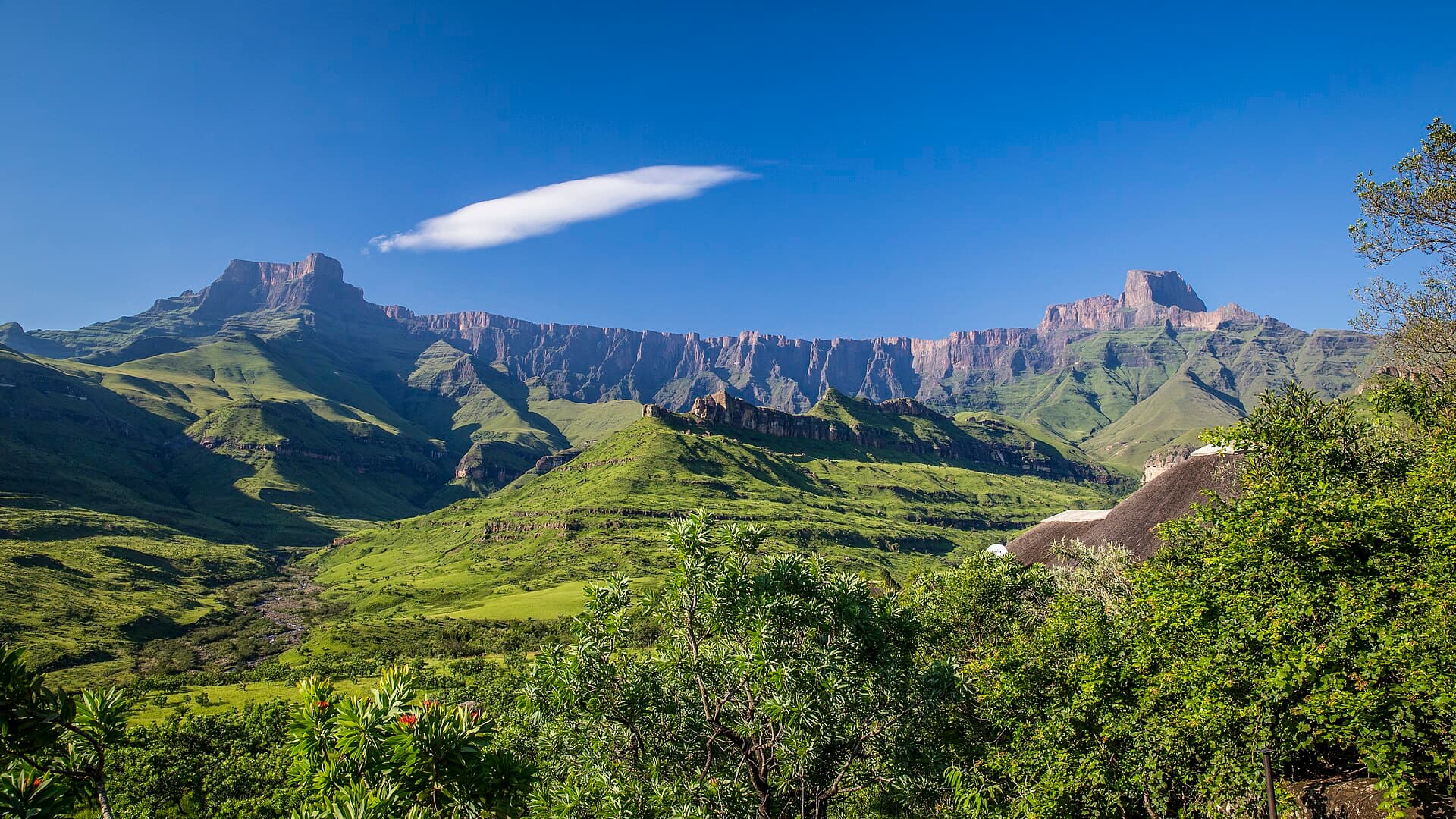
 Diriye Amey, CC BY 2.0 / Wikimedia Commons
Where the warm Indian Ocean meets the high Drakensberg, KwaZulu-Natal folds beach, bush and mountain into a single province. Three biomes converge here, two of South Africa's World Heritage Sites lie within its borders, and Zululand's reserves are where the southern white rhino was brought back from the brink.
- Biome
- Indian Ocean Coastal Belt, Savanna & Grassland
- Climate
- Subtropical, summer rainfall; warm coast all year
- Best time
- Jul–Sep for safari; summer for the beaches
Biodiversity & landscape
KwaZulu-Natal is one of South Africa's most ecologically varied provinces, where three biomes meet over a short distance: the subtropical Indian Ocean Coastal Belt along the shore, the Savanna bushveld of Zululand, and the Grassland of the midlands and Drakensberg foothills. It holds two World Heritage Sites. iSimangaliso Wetland Park was inscribed in 1999 as South Africa's first, protecting a UNESCO property of 239,566 hectares within a park of roughly 332,000 hectares, spanning some 280 km of coastline and eight interlinking ecosystems. The transboundary Maloti-Drakensberg Park followed in 2000, listed for both its natural and its cultural value.
Fauna
This is a rare place to pair a Big Five safari with whales and turtles. Hluhluwe-iMfolozi Park carries the full Big Five and is best known as the home of Operation Rhino, the campaign that recovered the southern white rhino; it protects 86 mammal species and more than 340 birds. Along the coast, iSimangaliso supports more than 500 bird species and is a breeding ground for nesting sea turtles, with migrating whales, dolphins and — seasonally — whale sharks offshore.
Flora
The coastal belt is a mosaic of subtropical dune and swamp forest, mangroves and seagrass grading into wooded grassland — one of the country's most distinctive biomes thanks to its warm, wet climate. Inland, fire-adapted grassland climbs to the alpine vegetation of the Drakensberg, rich in endemic species on the high basalt summits.
Where to go
- iSimangaliso Wetland Park / St Lucia — lakes full of hippo and crocodile, turtle-nesting beaches and the dunes of Cape Vidal.
- Hluhluwe-iMfolozi Park — Zululand's flagship Big Five and white-rhino reserve.
- The Drakensberg (uKhahlamba) — hiking beneath the Amphitheatre, and rock shelters that UNESCO describes as holding “the largest and most concentrated group of rock paintings in Africa south of the Sahara”.
- Durban and the coast — warm Indian Ocean surf and the country's busiest holiday beaches.
Weather & when to visit
KwaZulu-Natal has a subtropical, summer-rainfall climate: hot, humid summers (December–February) with afternoon thunderstorms, and mild, sunny, dry winters (June–August). The coast stays warm year-round, with winter daytime temperatures around 16–23°C. For wildlife, the dry winter — roughly July to September — concentrates game and brings lower humidity; the summer months are best for the beach.
Places in KwaZulu-Natal
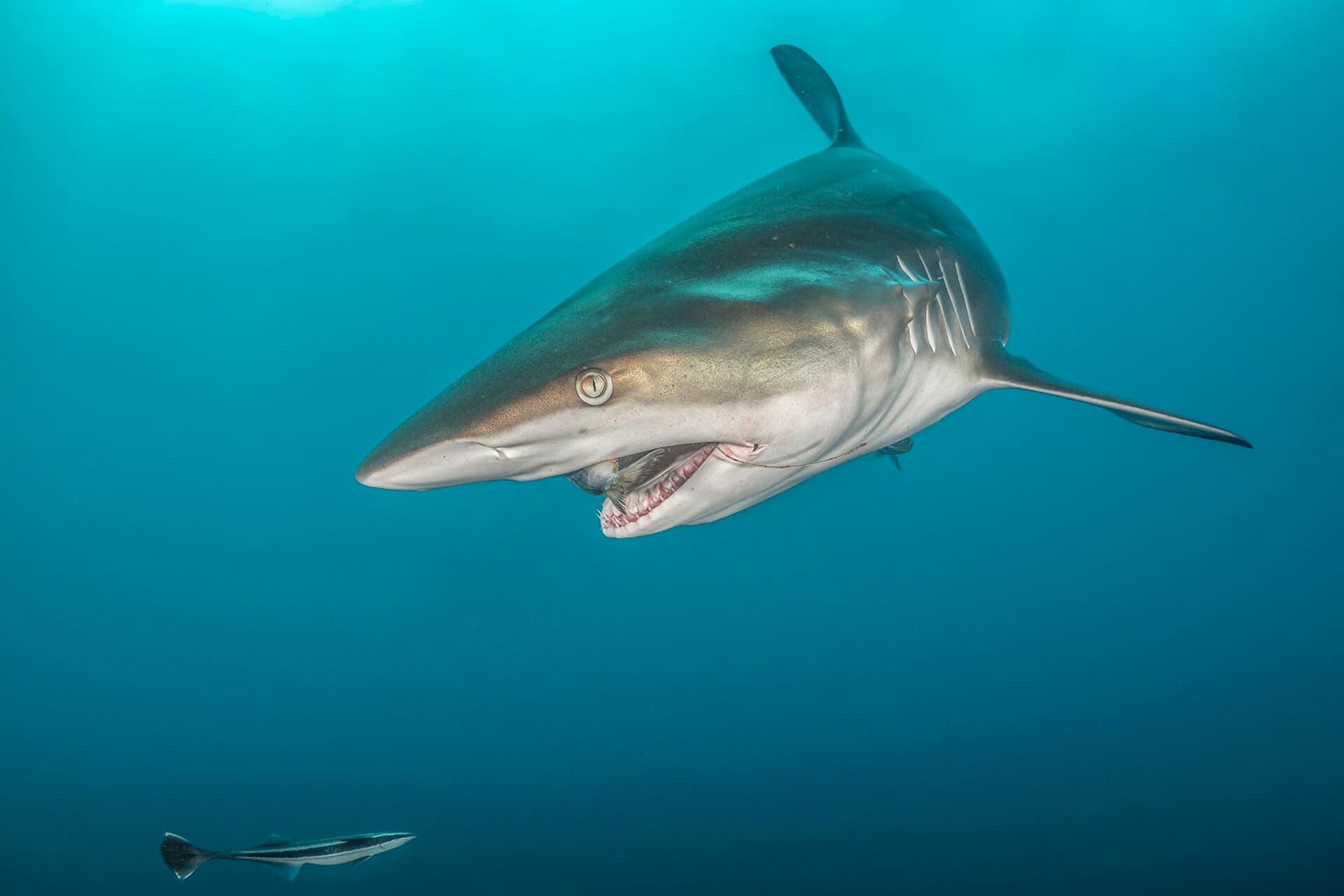 Adventure & ActivitiesKwaZulu-Natal
Aliwal Shoal
A fossilised dune reef about 5 km off Umkomaas where cage-free divers meet ragged-tooth sharks in winter and open-water tiger sharks in summer.
Verified · 5 sources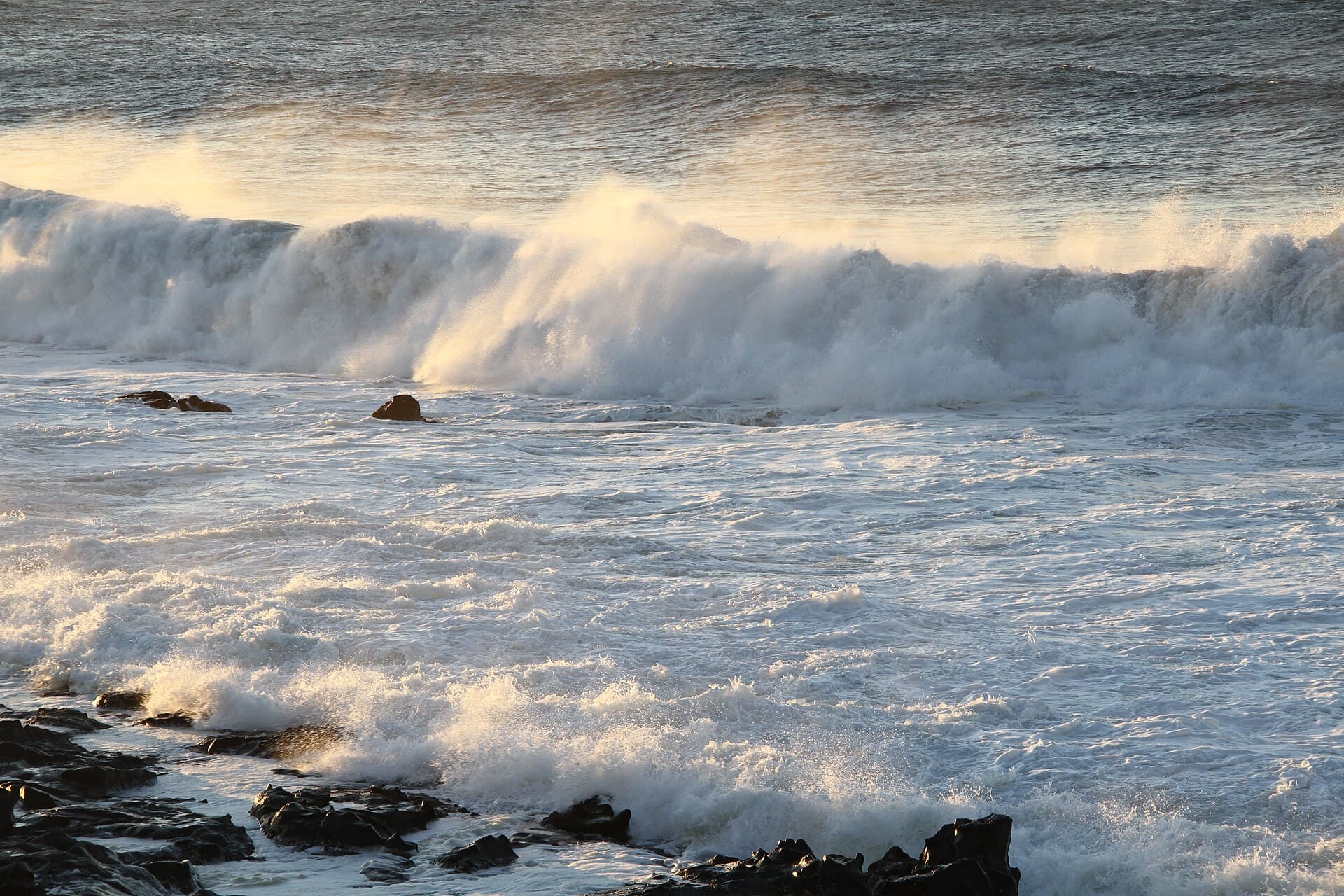 Beaches & CoastKwaZulu-Natal
Ballito — Willard Beach
Warm Indian Ocean swimming, a current Blue Flag beach, and the WSL Ballito Pro — packing family fun and world-tour surfing onto one stretch of Dolphin Coast sand.
Verified · 3 sources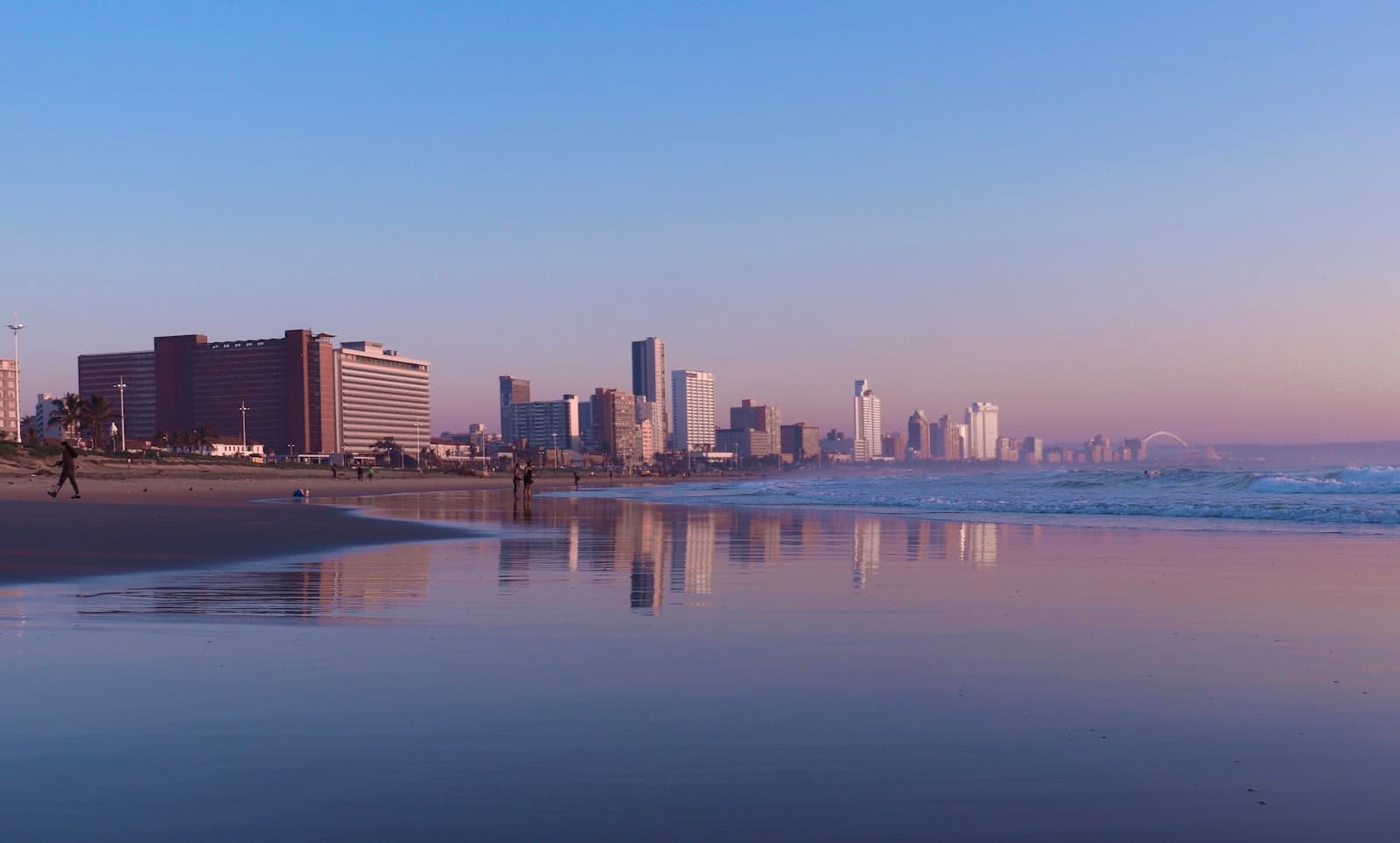 Beaches & CoastKwaZulu-Natal
Durban Golden Mile
Durban's warm-water beachfront and buzzing promenade.
Verified · 1 source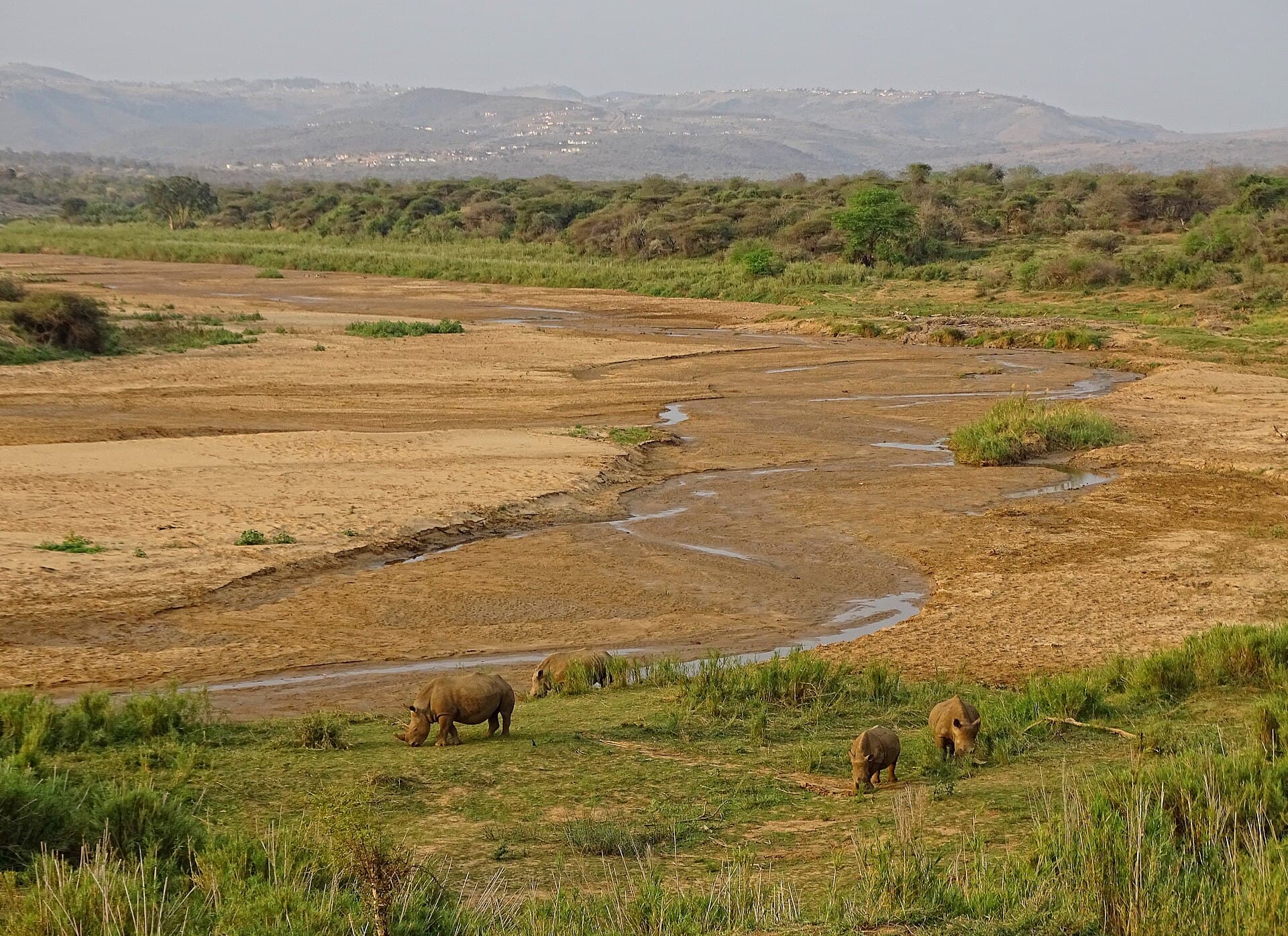 Wildlife & SafariKwaZulu-Natal
Hluhluwe-iMfolozi Park
Widely documented as Africa's oldest proclaimed game reserve, where Operation Rhino brought the southern white rhino back from the brink and all of the Big Five still roam the hills of Zululand.
Verified · 4 sources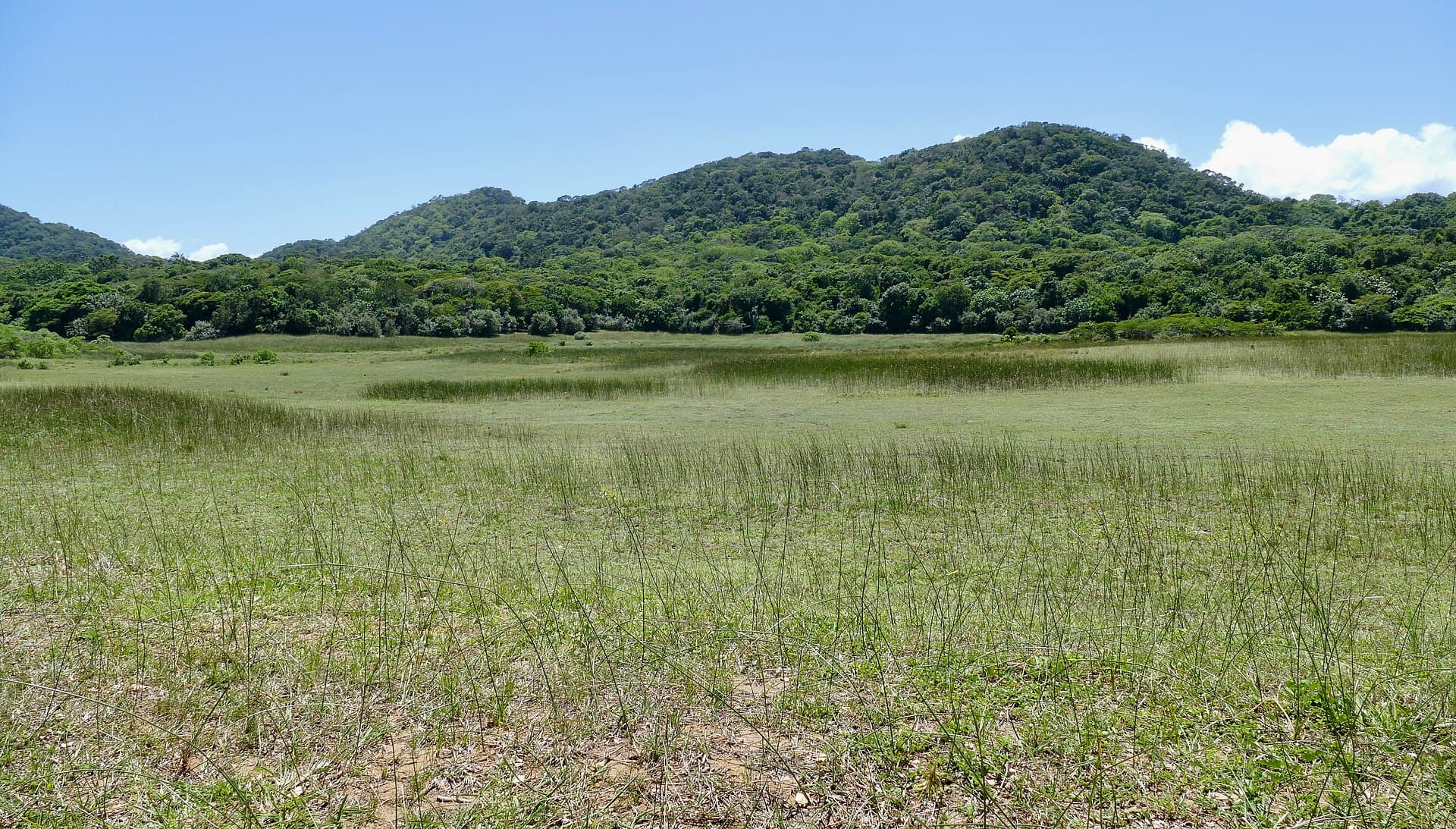 Nature & LandscapesKwaZulu-Natal
iSimangaliso Wetland Park
Where what is widely described as Africa's largest estuarine system meets the Indian Ocean, the Big Five roam beside 800 hippos, 1,200 crocodiles and beaches where sea turtles still come ashore to nest.
Verified · 4 sources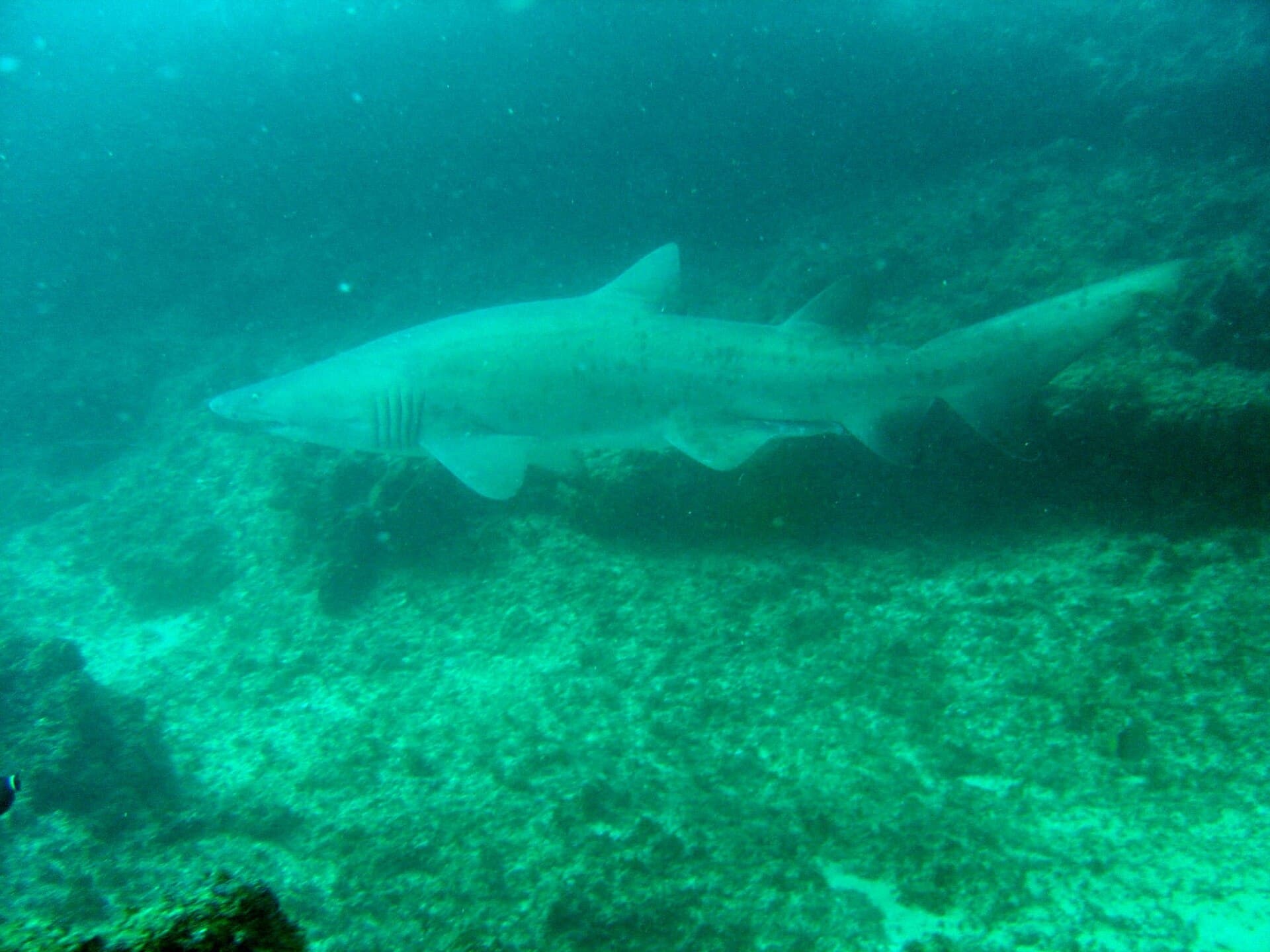 Adventure & ActivitiesKwaZulu-Natal
Protea Banks
A deep fossilised-dune reef 7.5 km off Shelly Beach where advanced divers drift with hammerheads and ragged-tooth, tiger and bull sharks.
Verified · 2 sources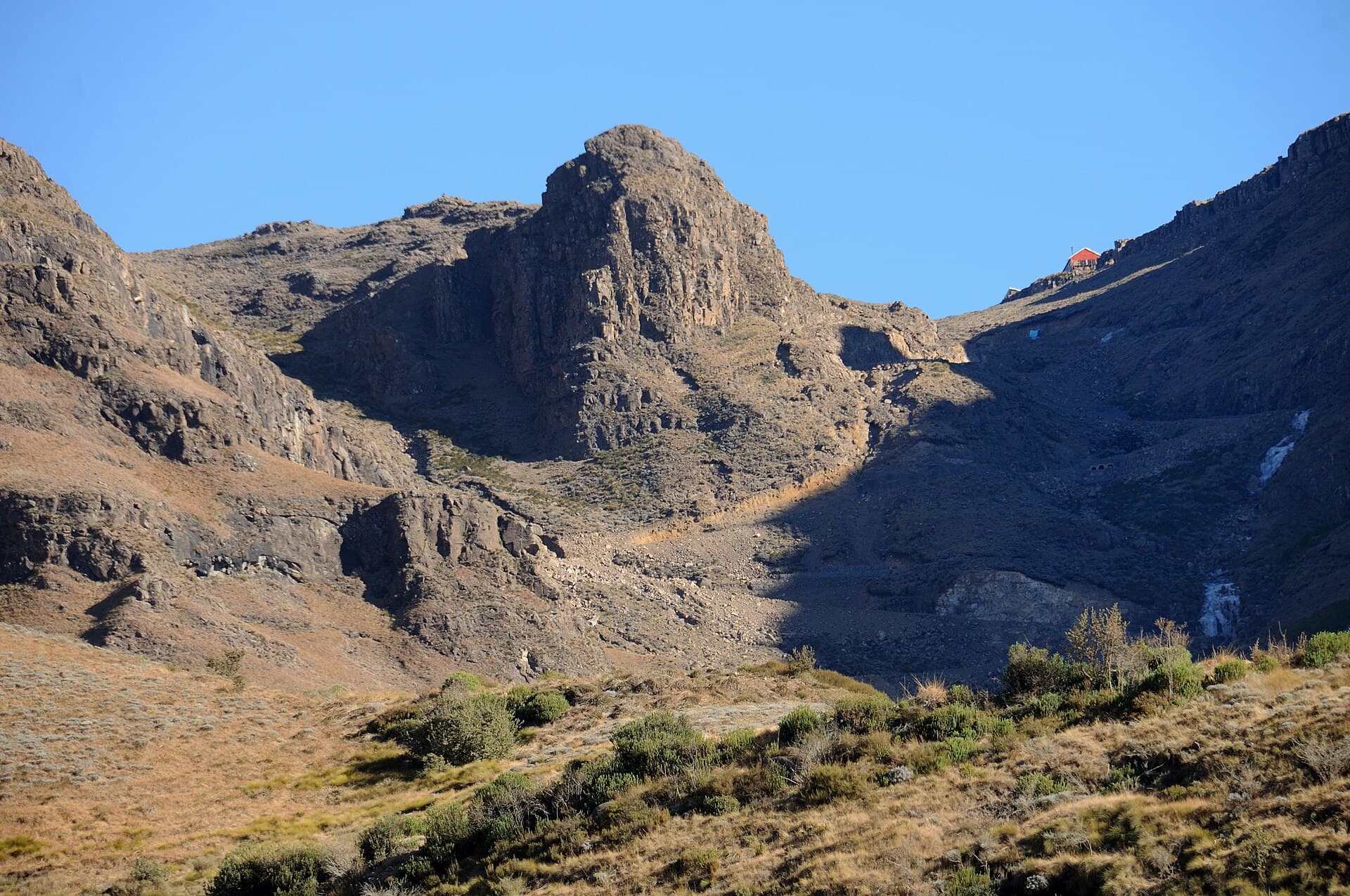 Adventure & ActivitiesKwaZulu-Natal
Sani Pass
A legendary 4x4 climb to the roof of southern Africa.
Verified · 1 source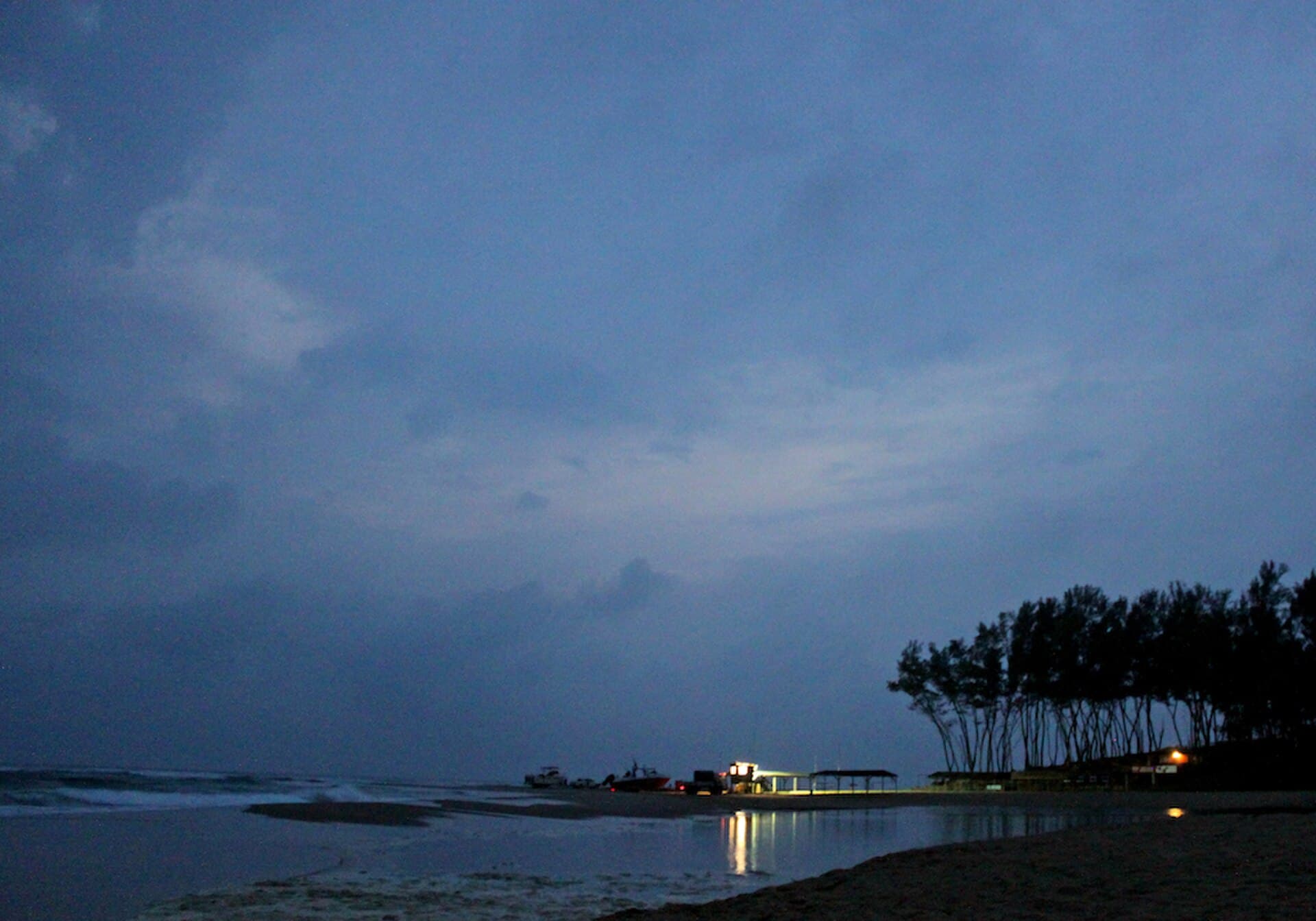 Beaches & CoastKwaZulu-Natal
Sodwana Bay
A diving mecca on KwaZulu-Natal's remote Maputaland coast, where some of the world's most southerly coral reefs shelter more than 1,200 fish species inside a UNESCO World Heritage wetland.
Verified · 4 sources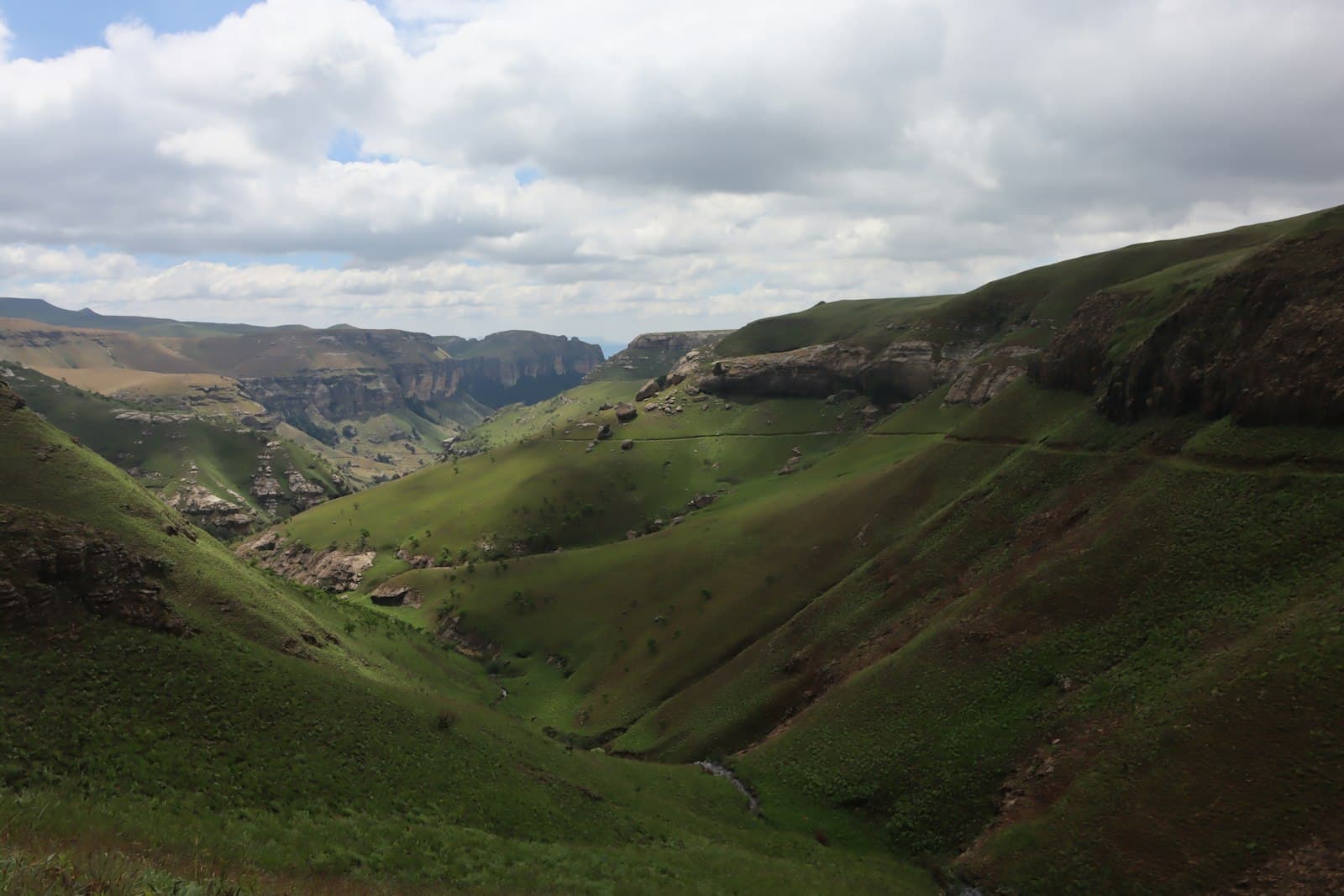 Nature & LandscapesKwaZulu-Natal
The Drakensberg
South Africa's highest mountains, rich in San rock art and hiking trails.
Verified · 2 sources
Sources 25, 26, 100, 102, 263, 271
Provincial capital confirmed via South Africa Info.