
 Borut Furlan, CC BY-SA 4.0 / Wikimedia Commons
Лучшее время для визита
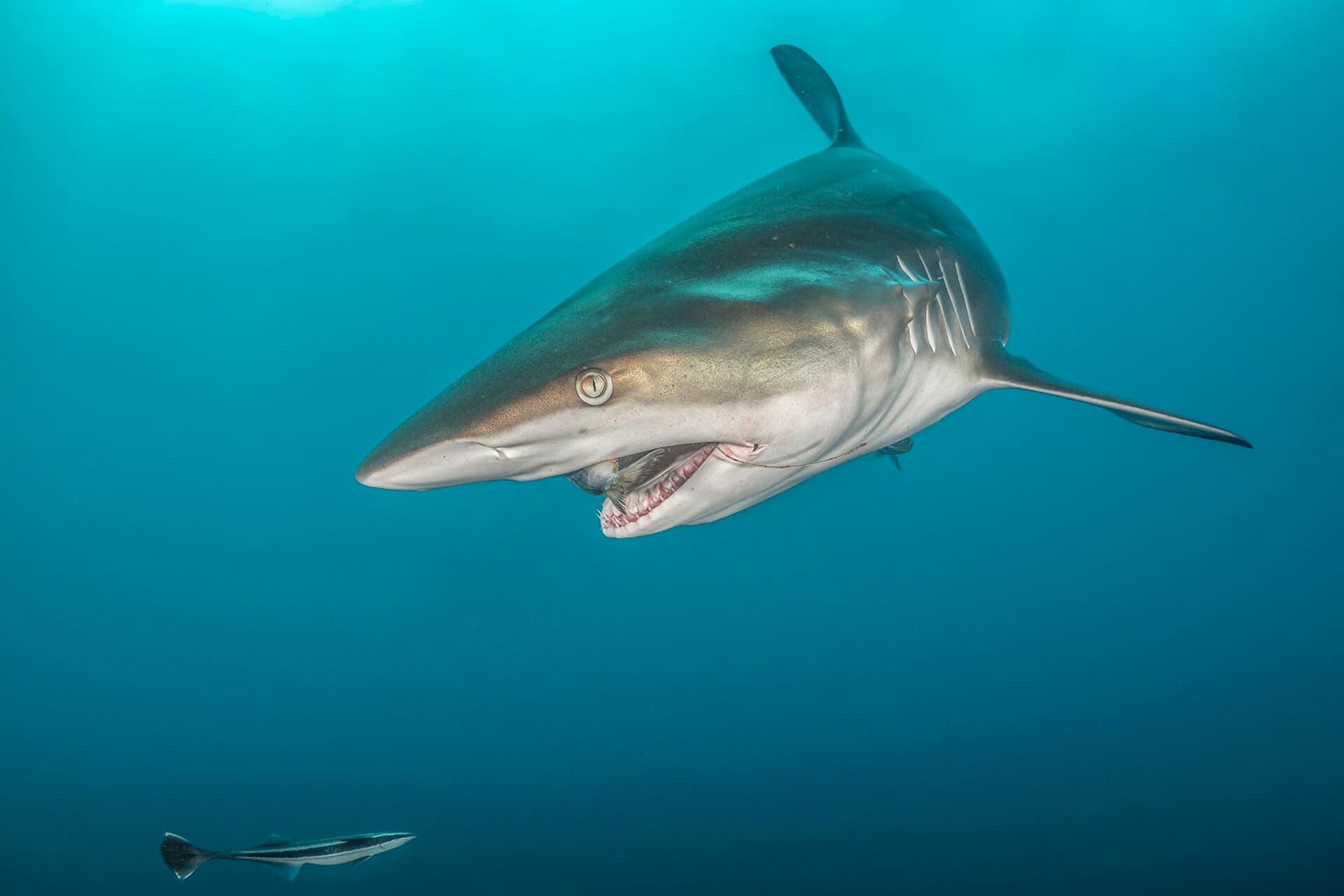
С июля по ноябрь — скопления песчаных акул («рэгги»); океанические чернопёрые акулы круглый год, тигровые — в основном в летние месяцы (примерно с ноября по май).
Примерно в 5 км от сонного городка Умкомаас на южном побережье Аливал-Шоал — не коралловый риф, а остаток древней береговой линии: эолианит (окаменевшая песчаная дюна), предположительно позднеплейстоценового возраста, сегодня покрытый твёрдыми и мягкими кораллами, губками и субтропической рыбой. Название риф получил в честь трёхмачтового судна Aliwal, которое в 1849 году под командованием капитана Джеймса Андерсона едва не разбилось о него. Согретый быстрым Агульясским течением и доступный для погружений в основном на глубинах от 5 до 25 м, риф считают одним из лучших дайв-сайтов Южной Африки, а нередко и относят к первой десятке в мире.
Настоящая слава рифа — акулы. С июля по ноябрь песчаные акулы («рэгги») собираются здесь в поразительных количествах: дайверы регулярно сообщают о 50–60 особях за одно погружение. Аливал-Шоал — одно из немногих мест в мире, где предлагают погружения к акулам с прикормкой в открытой воде и без клетки; операторы работают по разрешениям Департамента по вопросам окружающей среды. Океанические чернопёрые акулы встречаются круглый год, тигровые — в основном летом, а также заходят замбезийские (тупорылые) акулы, акулы-молоты и изредка китовая акула. Притягивают и два доступных затонувших судна, оба на глубине менее 30 м: пароход Nebo, ушедший на дно в 1884 году, и норвежский балкер Produce, погибший в 1974 году.
Риф находится в морской охраняемой территории Аливал-Шоал, впервые объявленной в июне 2004 года по Закону о морских живых ресурсах, а затем переучреждённой и значительно расширенной по Закону об охраняемых территориях, вступившему в силу в 2019 году, — примерно до 670 км² между устьями рек Лову (Иллову) и Мзимайи. Зонирование защищает ключевые глубоководные рифы и исторические нерестилища перелавливаемых морских карасей, а вместе с ними песчаных, тигровых и чернопёрых акул. Умкомаас лежит намного южнее ограниченной малярийной зоны КваЗулу-Натала у границы с Мозамбиком, так что малярии здесь нет.
Источники 12, 17, 158, 285, 325
Ещё по теме: Приключения и активный отдых
 Приключения и активный отдыхЗападно-Капская провинция
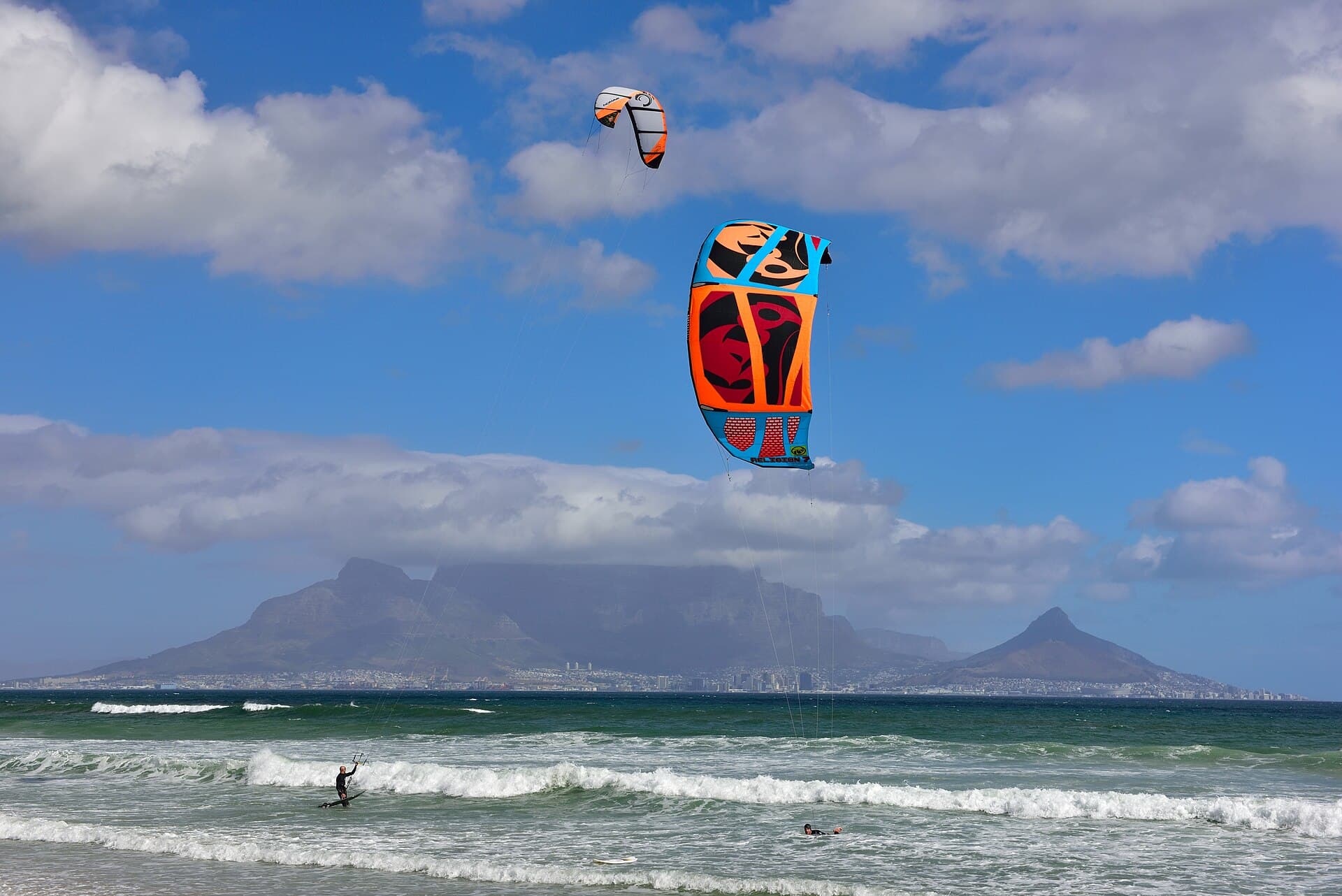
Кайт-Бич в Блаубергстранде
Кайтсёрфинг под открыточным видом на Столовую гору через Столовый залив — кейптаунская мекка кайтинга и дом биг-эйр-состязания Red Bull King of the Air.
Проверено · 3 источника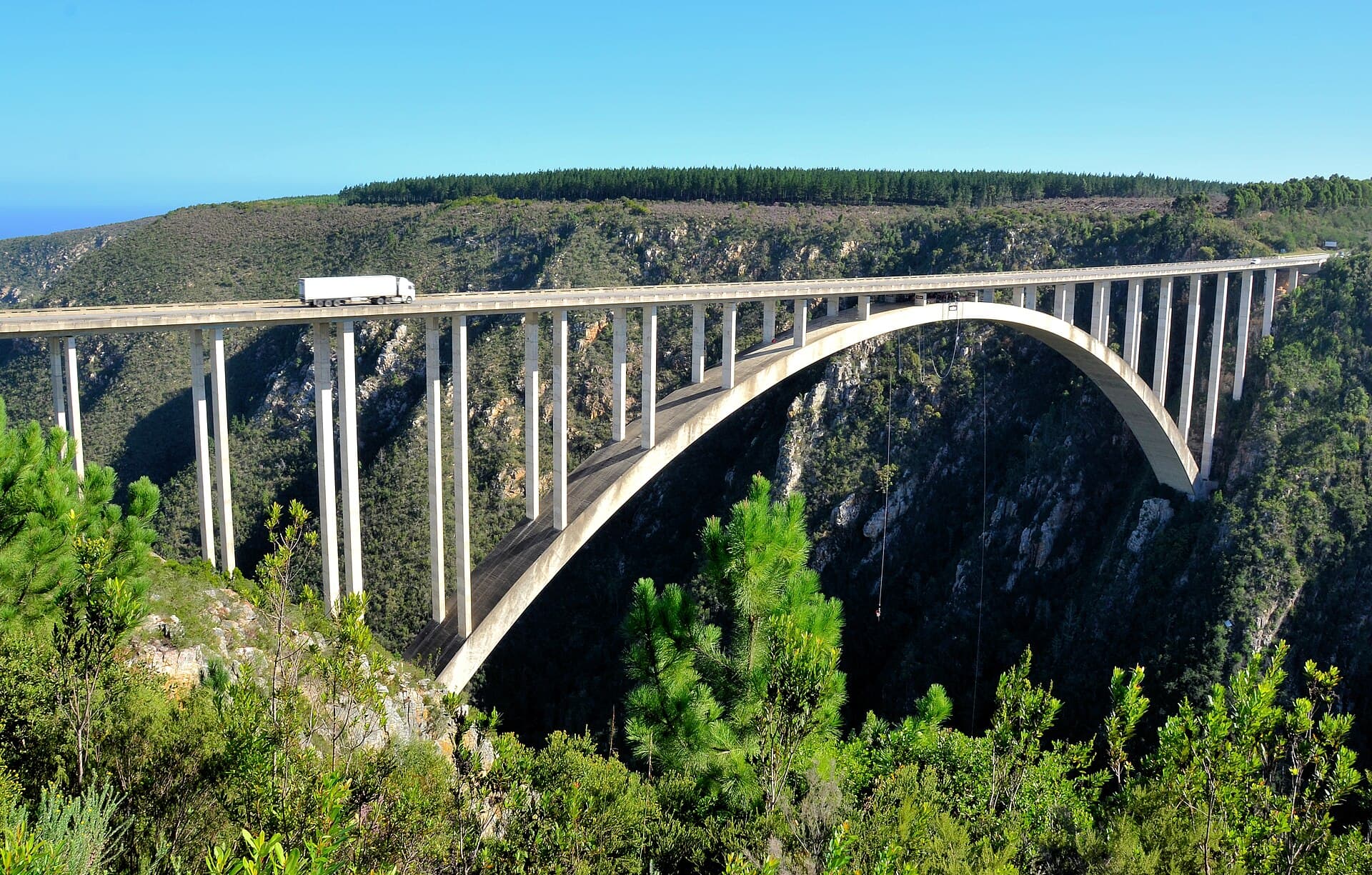 Приключения и активный отдыхЗападно-Капская провинция
Банджи с моста Блукранс
Прыжок с того, что повсеместно признают самым высоким коммерческим банджи с моста в мире, — 216 метров.
Проверено · 2 источника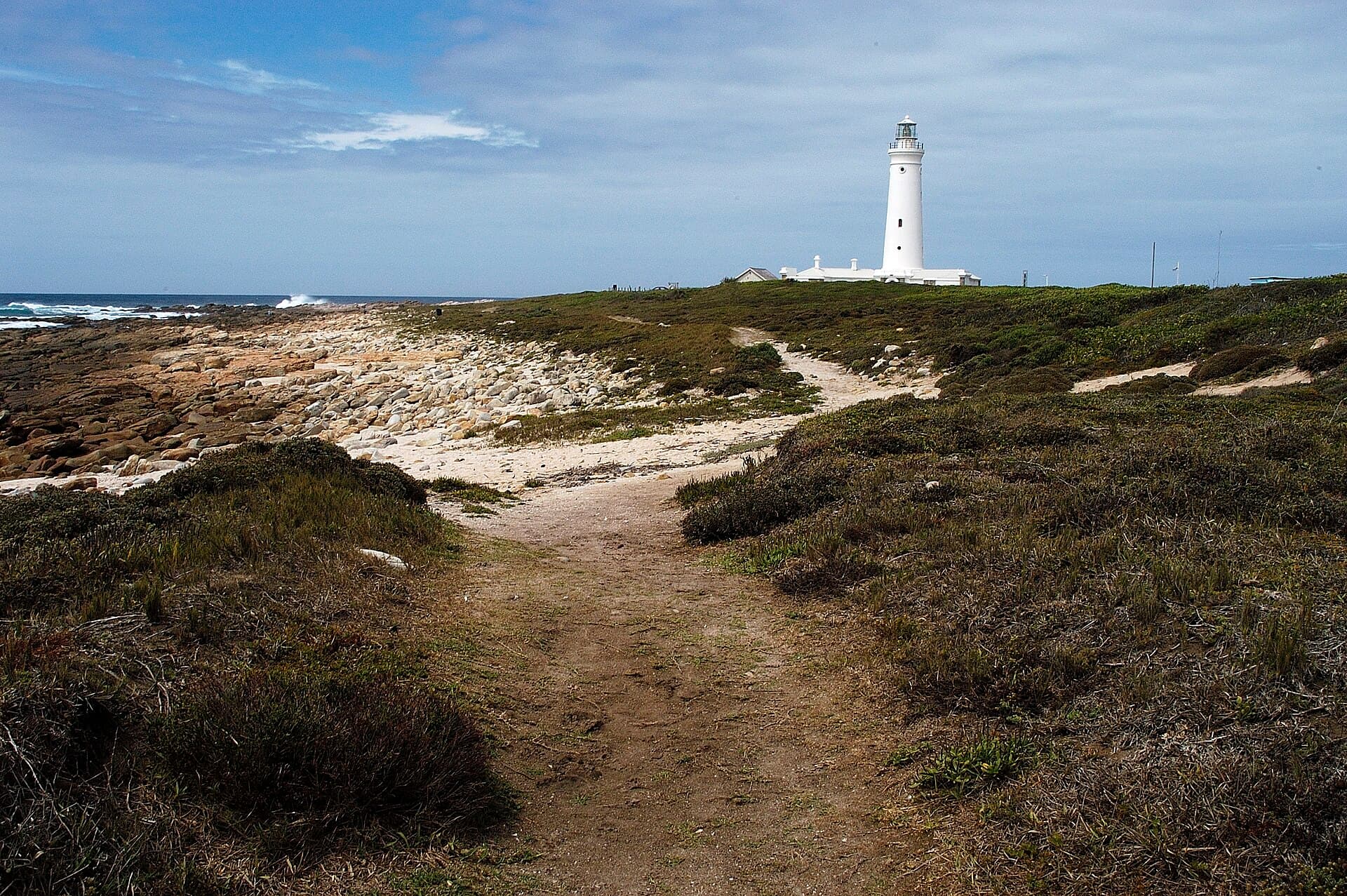 Приключения и активный отдыхВосточно-Капская провинция
Кейп-Сент-Фрэнсис
Здесь правая волна, которую фильм «Бесконечное лето» 1966 года провозгласил «идеальной», и маяк Сил-Пойнт — по общему мнению, самый высокий каменный маяк Южной Африки.
Проверено · 3 источника