
 Andresdewet, CC BY-SA 3.0 / Wikimedia Commons
Лучшее время для визита
Конец лета, примерно с февраля по апрель, когда сбор винограда оживляет погреба и виноградники; тёплые сухие месяцы с ноября по март неизменно приятны для дегустаций и восхождения на гору Парл.
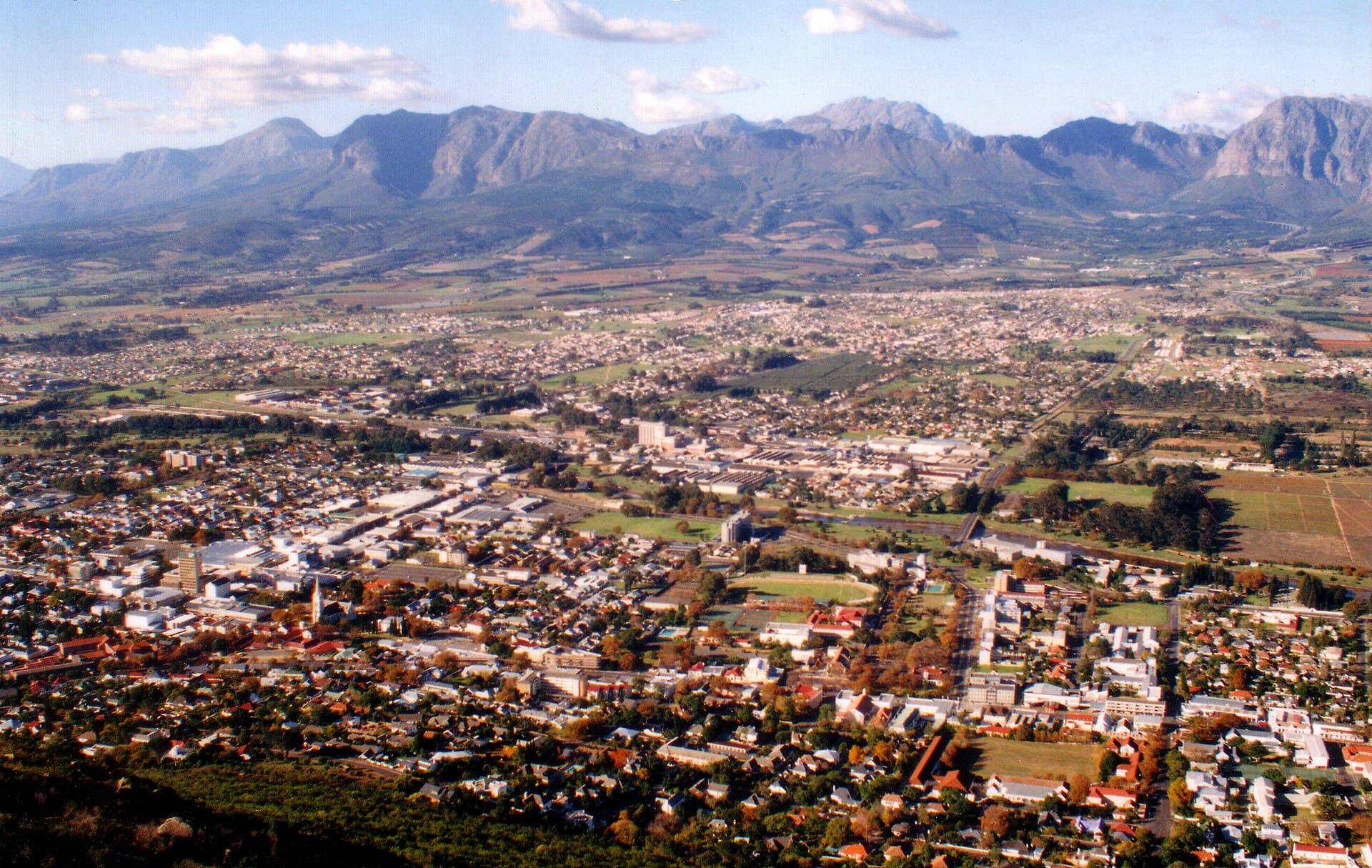
Парл раскинулся вдоль реки Берг примерно в 60 километрах к северо-востоку от Кейптауна — крупнейший город Капских винных земель и одно из старейших европейских поселений Южной Африки: землю фермерским семьям здесь раздали в 1687 году, а к 1690-му у подножия горы уже стояла деревня. Имя ещё старше: в 1657 году голландский чиновник Абрахам Габбема, глядя, как огромные гранитные купола над долиной блестят после ливня, назвал их de Diamandt en de Peerlberg — Алмазная и Жемчужная горы. Про алмаз забыли; жемчужина осталась.
Эти купола возрастом около 500 миллионов лет образуют гору Парл, и их нередко называют одними из крупнейших гранитных обнажений в мире. Высоко на склоне стоит Afrikaanse Taalmonument — Монумент языка африкаанс, открытый 10 октября 1975 года в честь пятидесятилетия признания африкаанса официальным языком, отдельным от нидерландского. Сужающиеся кверху обелискообразные колонны архитектора Яна ван Вейка будто вырастают прямо из гранита, а подъём вознаграждается панорамой вплоть до Столовой горы.
И всё же главное ремесло Парла — вино. В 1918 году виноградари страны основали Ko-operatiewe Wijnbouwers Vereniging — KWV, — которое большую часть XX века регулировало винодельческую отрасль ЮАР и создало международную репутацию, работая из штаб-квартиры в Парле. Его «Соборный погреб» (Cathedral Cellar), достроенный в 1930 году и названный так за собороподобную игру света под сводами, до сих пор остаётся сердцем города, где дегустационные залы и виноградники подступают к самому подножию скалы.
Ещё по теме: Вино и гастрономия
 Вино и гастрономияЗападно-Капская провинция
Бабилонсторен
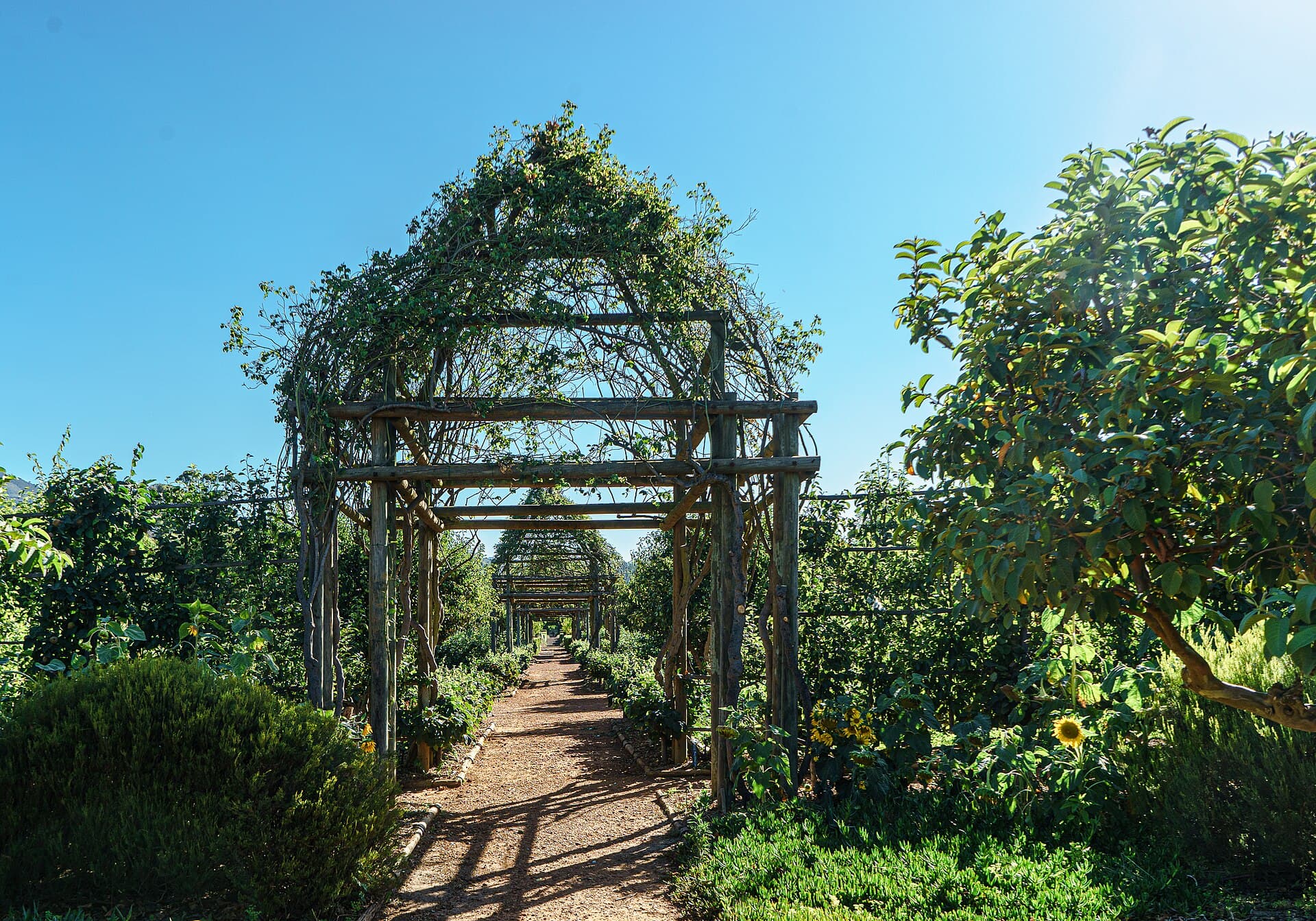
Капско-голландская ферма 1692 года между Парлом и Франсхуком, чьи владельцы разбили сад в три с половиной гектара, где каждое без исключения растение съедобно или целебно.
Проверено · 6 источников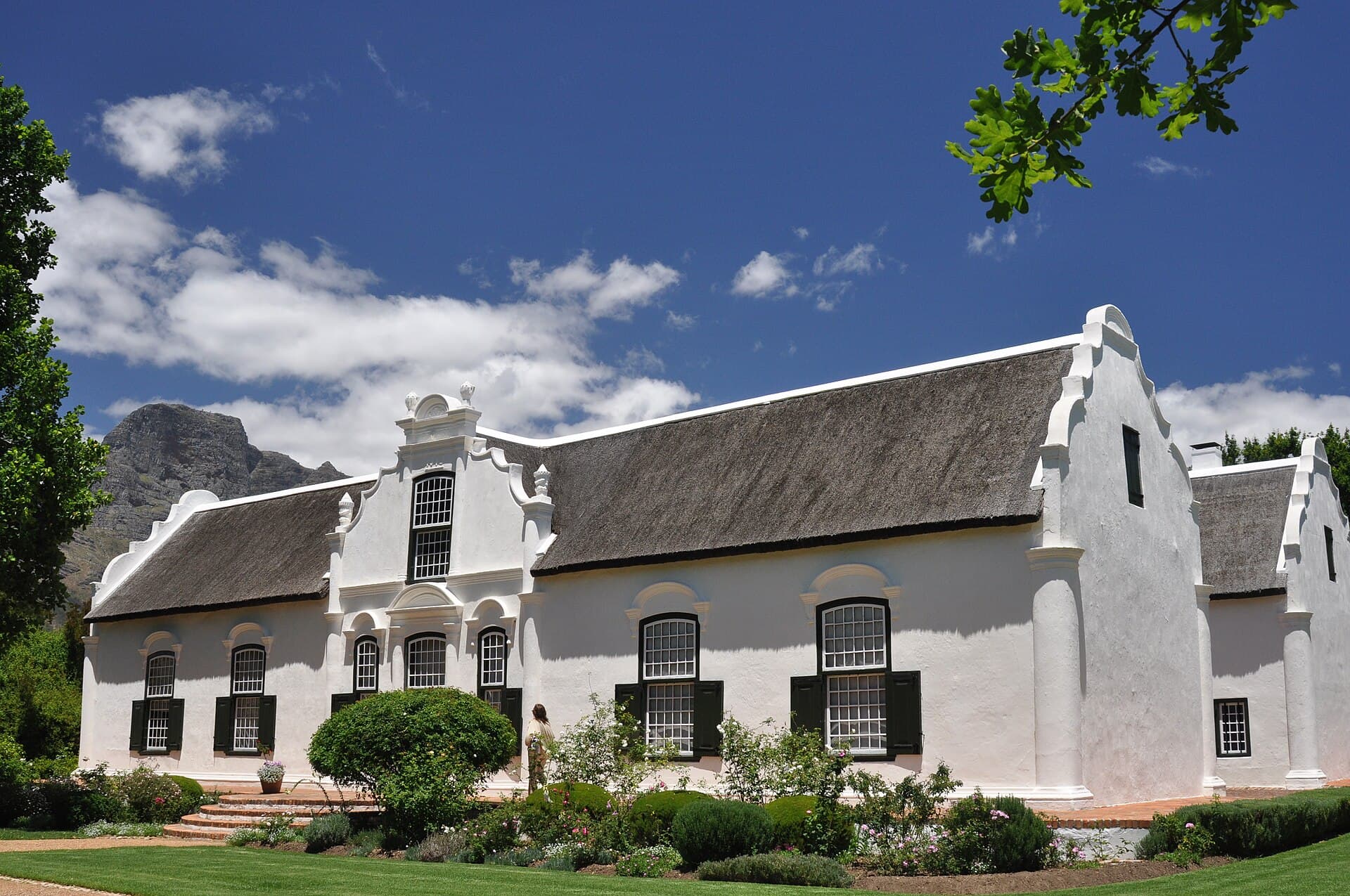 Вино и гастрономияЗападно-Капская провинция
Бошендал
Купчие 1685 года, фронтон, до сих пор несущий инициалы четы, поднявшей его в 1812-м, и объект национального наследия в сердце действующей фермы площадью около 1800 гектаров.
Проверено · 6 источников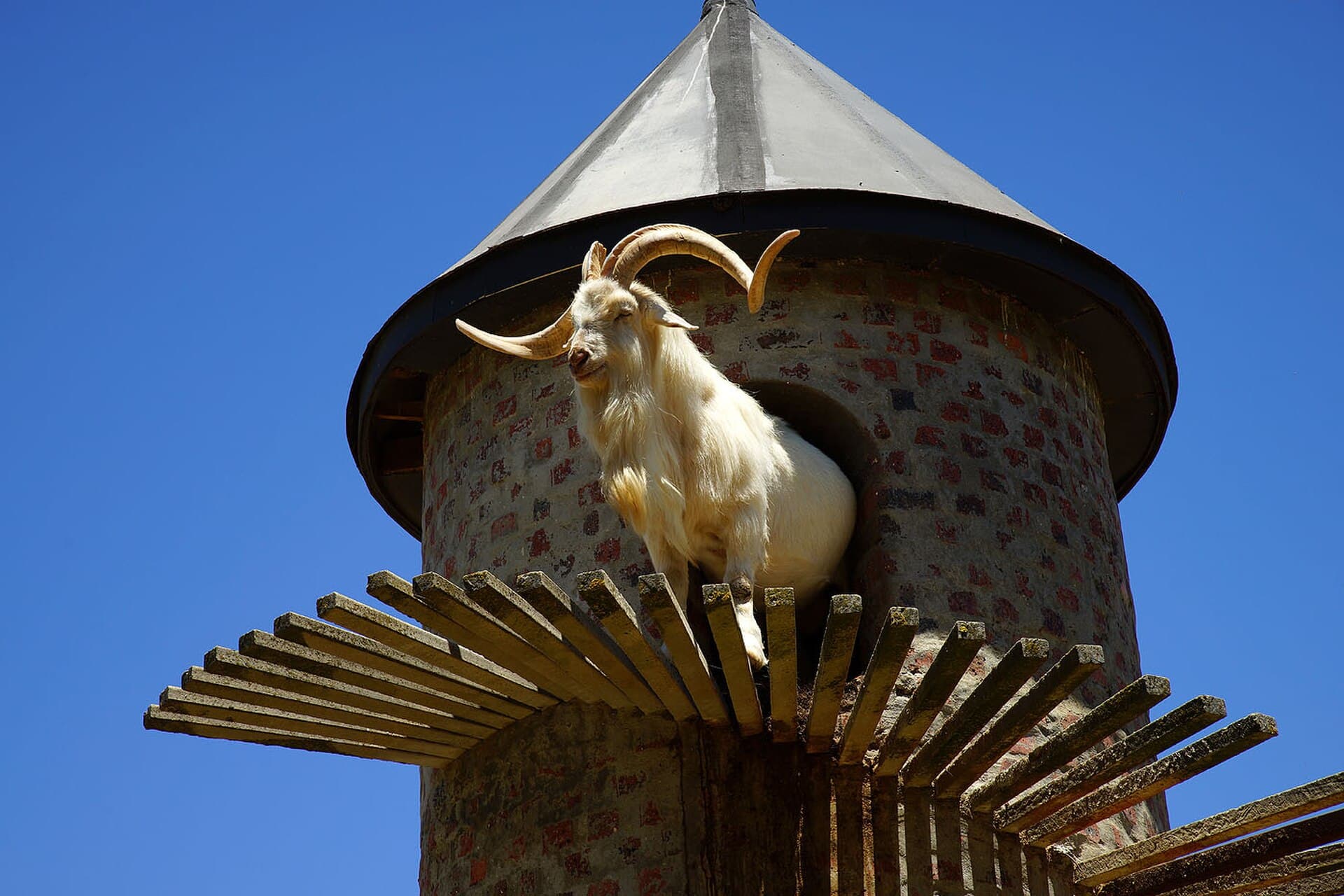 Вино и гастрономияЗападно-Капская провинция
Фэрвью
Ферма под Парлом, в 1693 году названная «фонтаном цветной капусты», ныне известна двухэтажной башней, на которую взбираются её козы, и дразнящим Рону вином, из-за которого французы потянулись к юристам.
Проверено · 6 источников