
 Andresdewet, CC BY-SA 3.0 / Wikimedia Commons
Best time to visit
Late summer, roughly February to April, when the grape harvest animates the cellars and vineyards; the warm, dry months from November to March are reliably pleasant for tasting and for climbing Paarl Mountain.
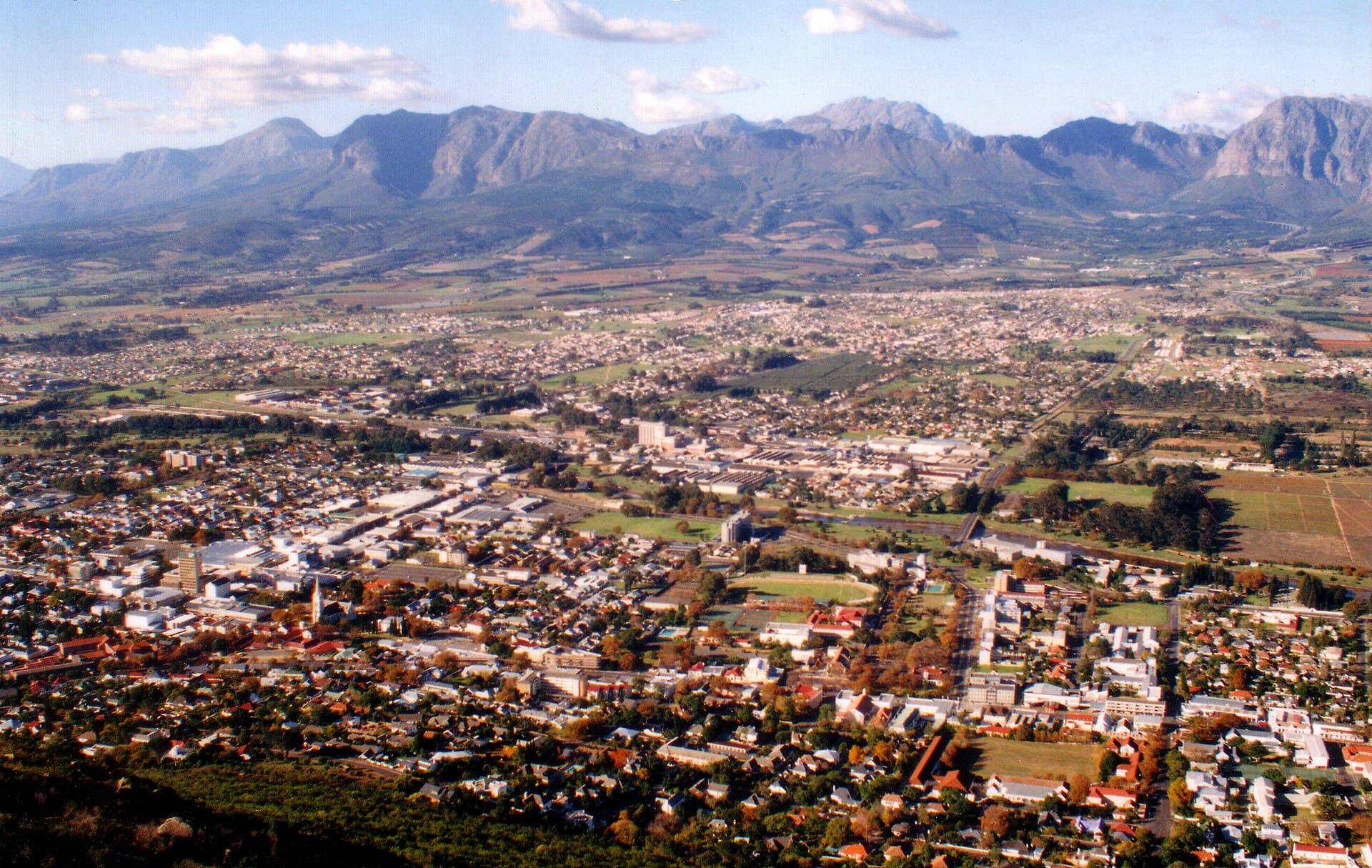
Paarl unfurls along the Berg River some 60 kilometres northeast of Cape Town, the largest town in the Cape Winelands and among the oldest European settlements in South Africa — land was granted to farming families here in 1687, and a village took root at the foot of the mountain by 1690. The name is older still: in 1657 the Dutch official Abraham Gabbema, watching the great granite domes above the valley glisten after a rainstorm, called them de Diamandt en de Peerlberg — Diamond and Pearl Mountain. The diamonds were forgotten; the pearl endured.
Those domes, roughly 500 million years old, form Paarl Mountain and are often described as among the largest granite outcrops in the world. High on its slope stands the Afrikaanse Taalmonument, the Afrikaans Language Monument, opened on 10 October 1975 to mark fifty years since Afrikaans was recognised as an official language distinct from Dutch. Architect Jan van Wijk's tapering, obelisk-like columns rise as if from the granite itself, and the climb is repaid with panoramic views reaching to Table Mountain.
Wine, though, is Paarl's enduring trade. In 1918 the country's growers founded the Ko-operatiewe Wijnbouwers Vereniging — KWV — which regulated South Africa's wine industry for much of the twentieth century and built an international reputation from its Paarl headquarters. Its Cathedral Cellar, completed in 1930 and named for the dome-like play of light beneath its vaulted roof, still anchors a town where tasting rooms and vineyards run right up to the base of the rock.
More Wine & Food
 Wine & FoodWestern Cape
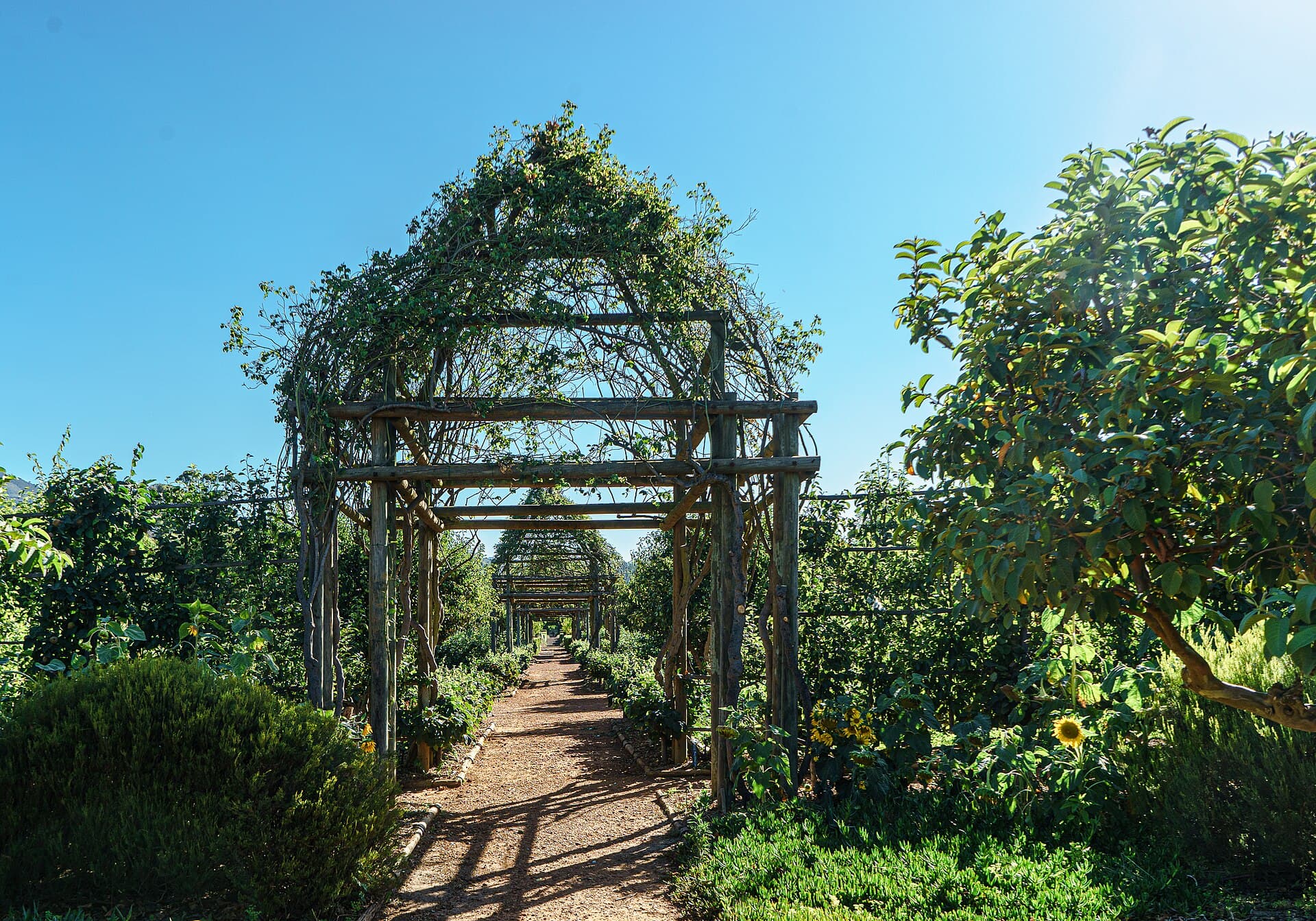
Babylonstoren
A 1692 Cape Dutch farm between Paarl and Franschhoek whose owners planted a three-and-a-half-hectare garden in which every single plant is edible or medicinal.
Verified · 6 sources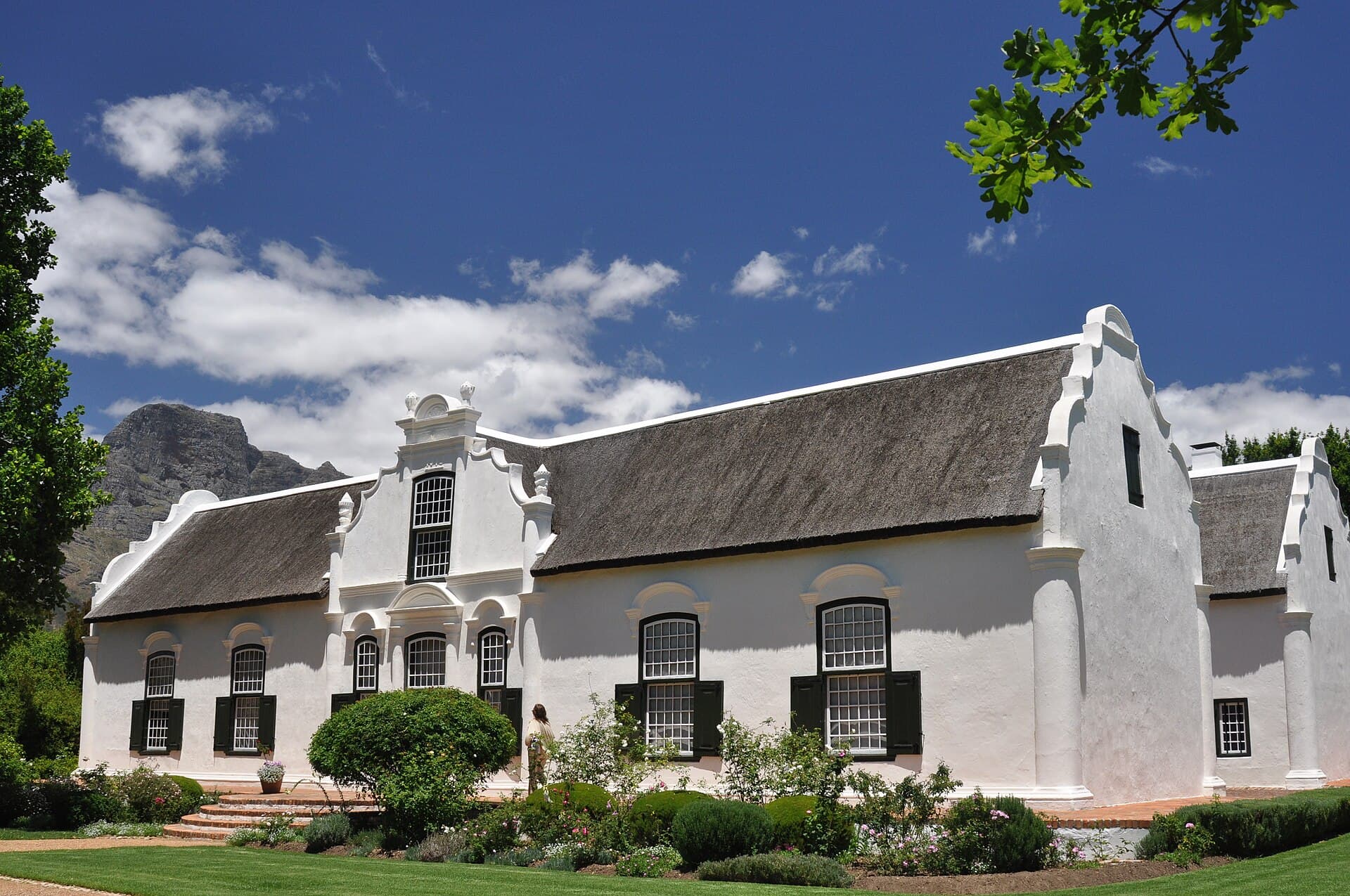 Wine & FoodWestern Cape
Boschendal
Title deeds dated 1685, a gable that still carries the initials of the couple who raised it in 1812, and a national heritage site at the heart of a roughly 1,800-hectare working farm.
Verified · 6 sources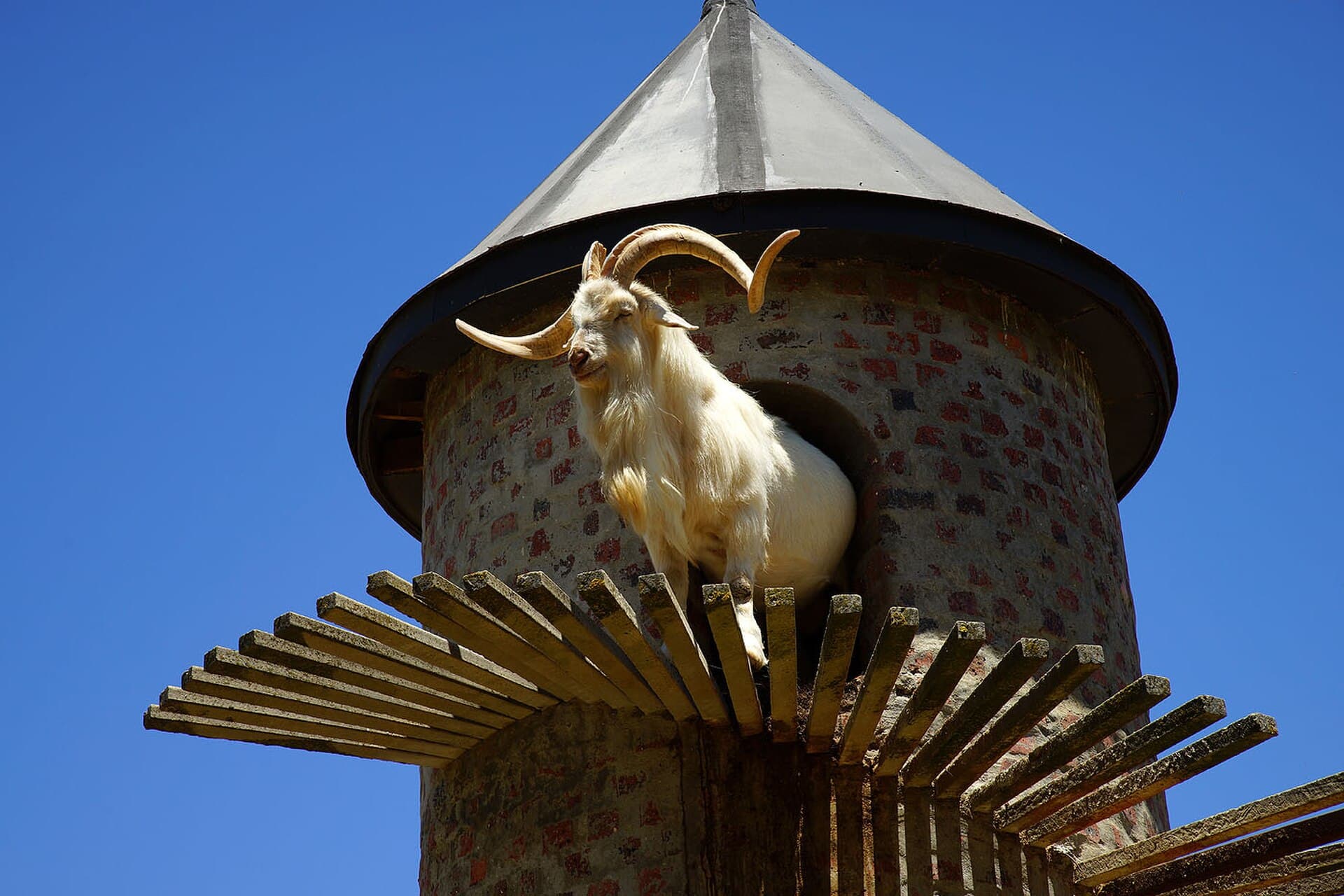 Wine & FoodWestern Cape
Fairview
A Paarl farm called Cauliflower Fountain in 1693, now better known for a two-storey tower its goats climb and a Rhône-baiting wine that made the French reach for their lawyers.
Verified · 6 sources