
 Ryanj93, CC BY-SA 4.0 / Wikimedia Commons
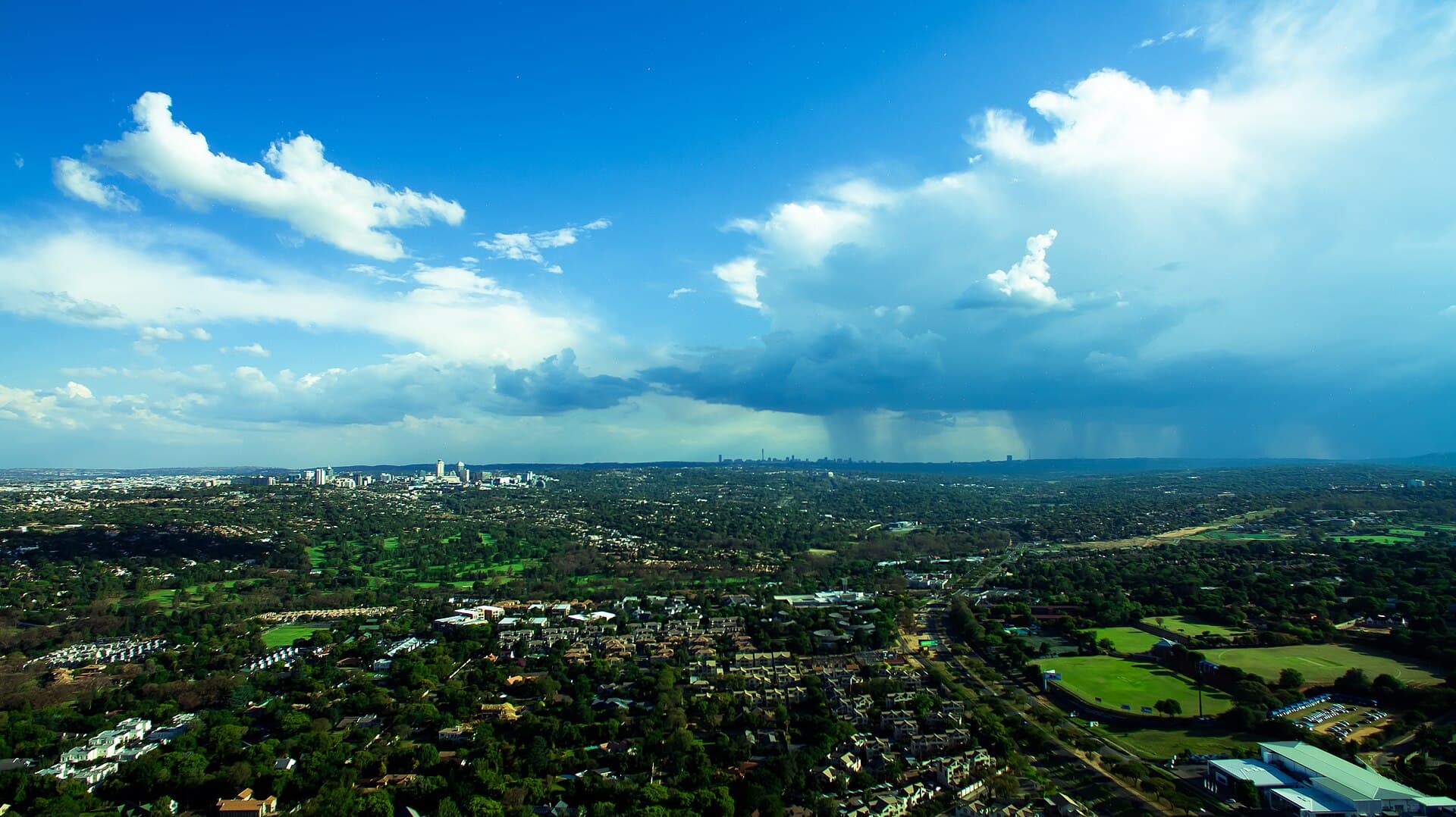
Gauteng is small, high and electric — South Africa's densest, most urban province, built on the gold-bearing reefs of the Highveld at around 1,500 metres. Yet on its doorstep lie free-roaming Big Five bushveld and the Cradle of Humankind, a UNESCO World Heritage Site whose caves have yielded some of the richest early-human fossil finds on Earth. This is the country's gateway: Johannesburg, Pretoria and Soweto.
- Biome
- Grassland (south) & Savanna (north)
- Climate
- Highveld summer rainfall; afternoon storms
- Best time
- Apr–Sep — mild, dry, sunny days
Biodiversity & landscape
Gauteng — South Africa's smallest and most urban province — sits high on the Highveld plateau at around 1,500 m, straddling two biomes: Grassland across the south and centre, and Savanna bushveld on the northern ridges. Its ecological showpiece is the Cradle of Humankind, inscribed as a UNESCO World Heritage Site in 1999 — a belt of dolomitic caves about 50 km north-west of Johannesburg whose deposits have produced some of the world's most important early-human fossils, among them "Mrs Ples," an Australopithecus found at Sterkfontein and dated to roughly 2.3 million years.
Fauna
For all its cities, Gauteng keeps big game close by. The Dinokeng Game Reserve, about 45 km north of Pretoria, is the province's only free-roaming Big Five reserve — and, like the rest of the province, malaria-free. Its Highveld grasslands also hold reintroduced plains game such as black wildebeest, blesbok and springbok, and the open country is home to the blue crane, South Africa's national bird. The Cradle's caves remain globally significant for the story of human origins.
Flora
The characteristic cover is Highveld grassland — a fine, tufted sward of grasses such as red grass (Themeda triandra) — which SANBI notes carries high levels of plant endemism; Gauteng even has its own endemic grassland type. Bushveld and thornveld take over on the warmer northern ridges. The pink-and-white cosmos that lines the roads each autumn is a naturalised visitor from Mexico, not an indigenous wildflower.
Where to go
- Johannesburg — the Apartheid Museum, Constitution Hill, Gold Reef City and the buzz of Sandton.
- Soweto — Mandela House and the heart of the anti-apartheid story.
- Pretoria / Tshwane — the Union Buildings, the Voortrekker Monument and jacaranda-lined streets.
- The Cradle of Humankind — the Sterkfontein Caves and the Maropeng visitor centre.
- Dinokeng Game Reserve — a Big Five safari within an hour of the city.
Weather & when to visit
Gauteng has a Highveld summer-rainfall climate. Summers (October–March) are warm rather than hot, famous for dramatic late-afternoon thunderstorms, with rain peaking around December and January. Winters (June–August) are dry, crisp and sunny, with cold nights and frost. The mild, sunny dry season — roughly April to September — is the easiest time for sightseeing and comfortable game viewing, while spring brings warmth and green before the peak of the midsummer storms.
Places in Gauteng
 Culture & HistoryGauteng
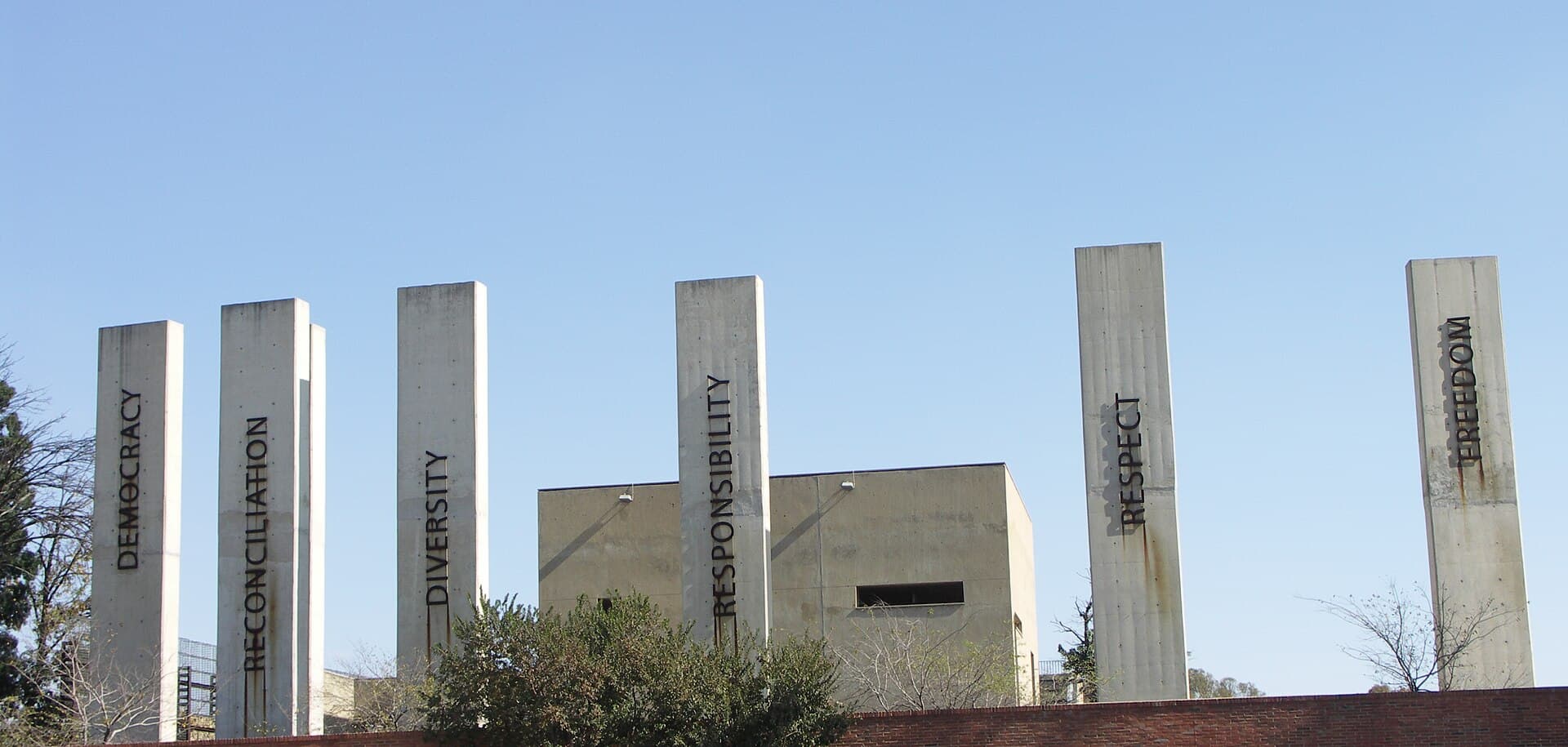
Apartheid Museum
At the door you are handed a ticket marked "white" or "non-white" and directed to separate entrances, so apartheid's logic confronts you before a single exhibit does.
Verified · 4 sources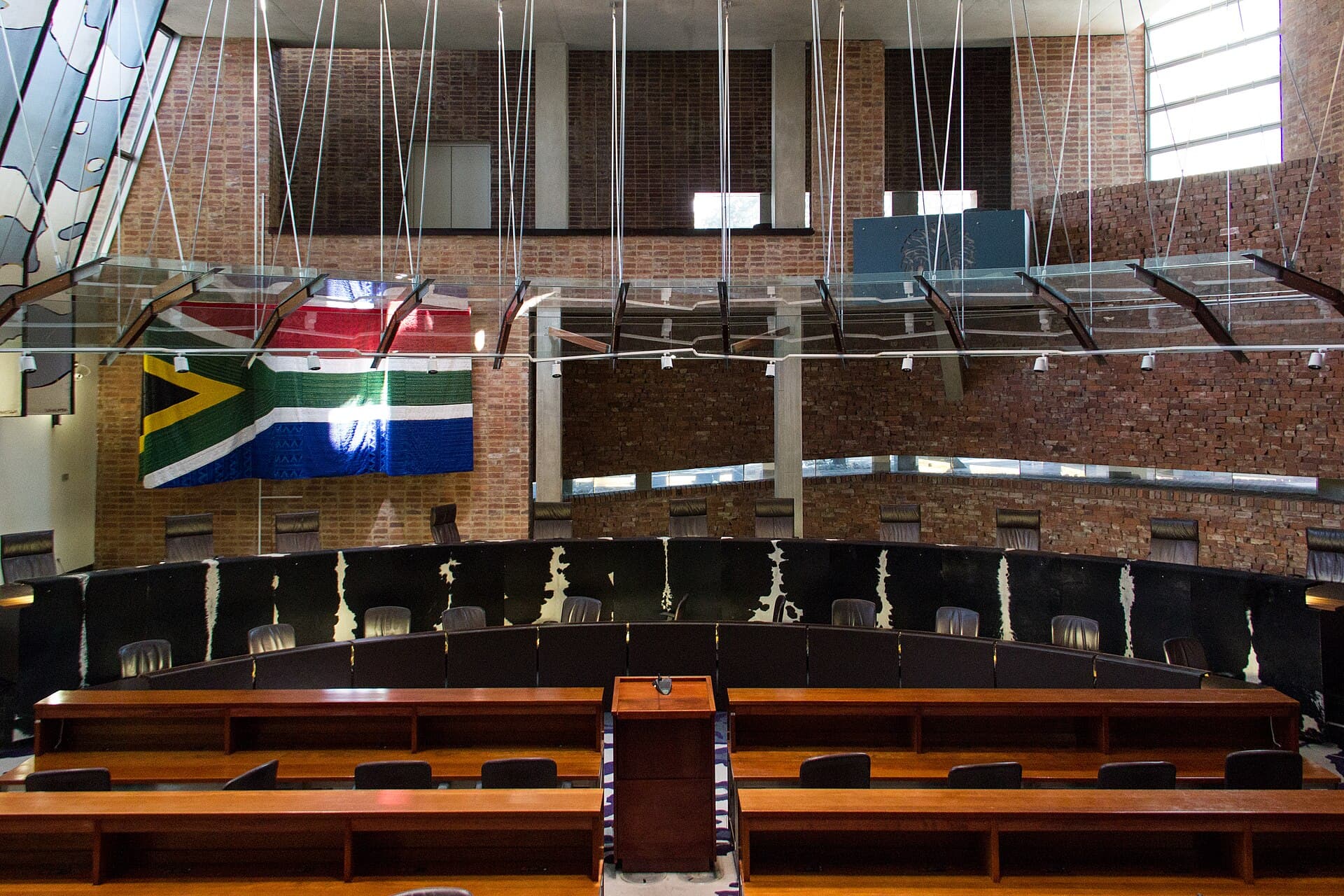 Culture & HistoryGauteng
Constitution Hill
A century-old prison where Gandhi and Mandela were once held now cradles South Africa's Constitutional Court: repression remade, brick by brick, into a monument to human rights.
Verified · 4 sources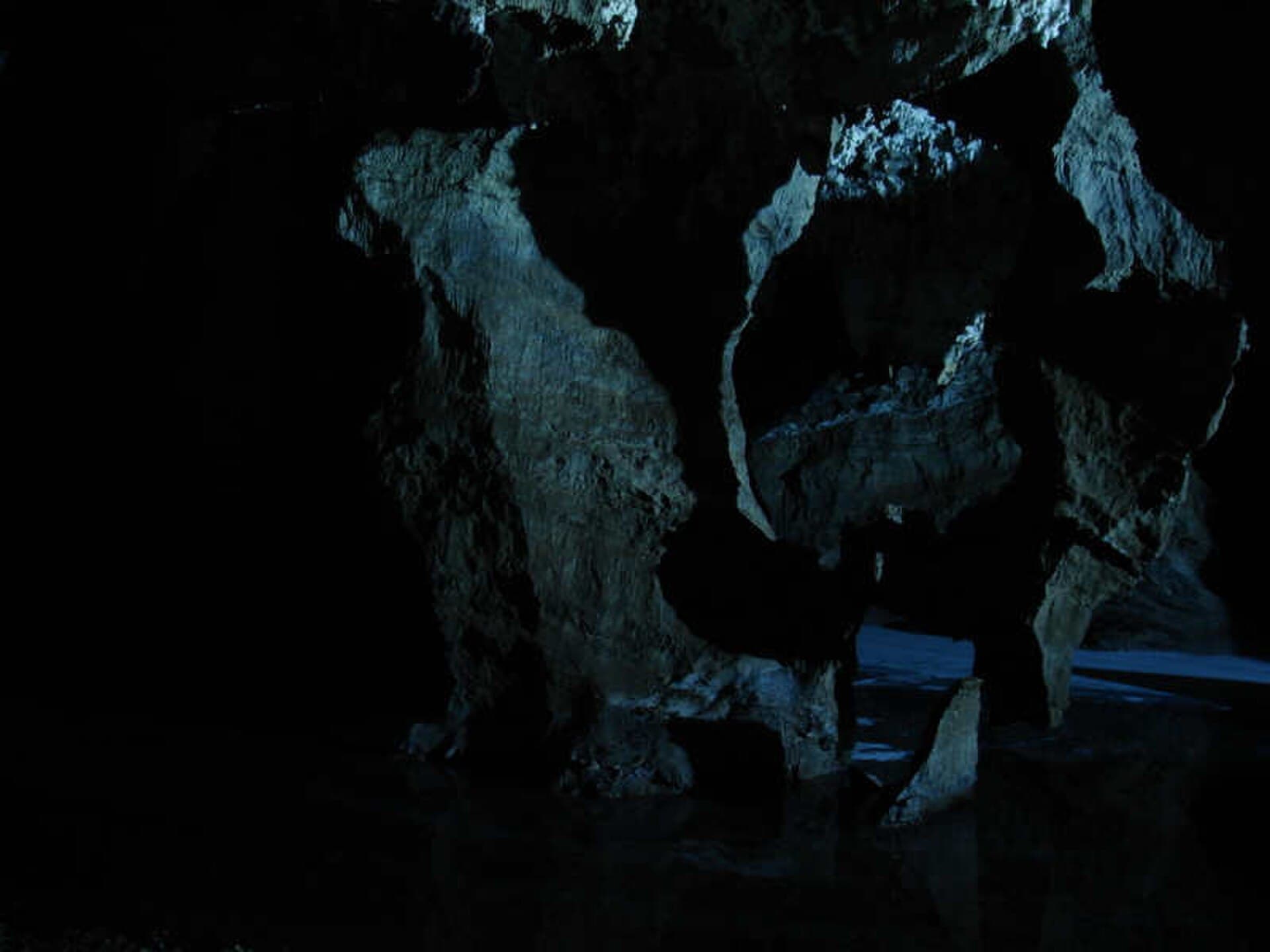 Culture & HistoryGauteng
Cradle of Humankind
The caves where some of our earliest ancestors were unearthed.
Verified · 2 sources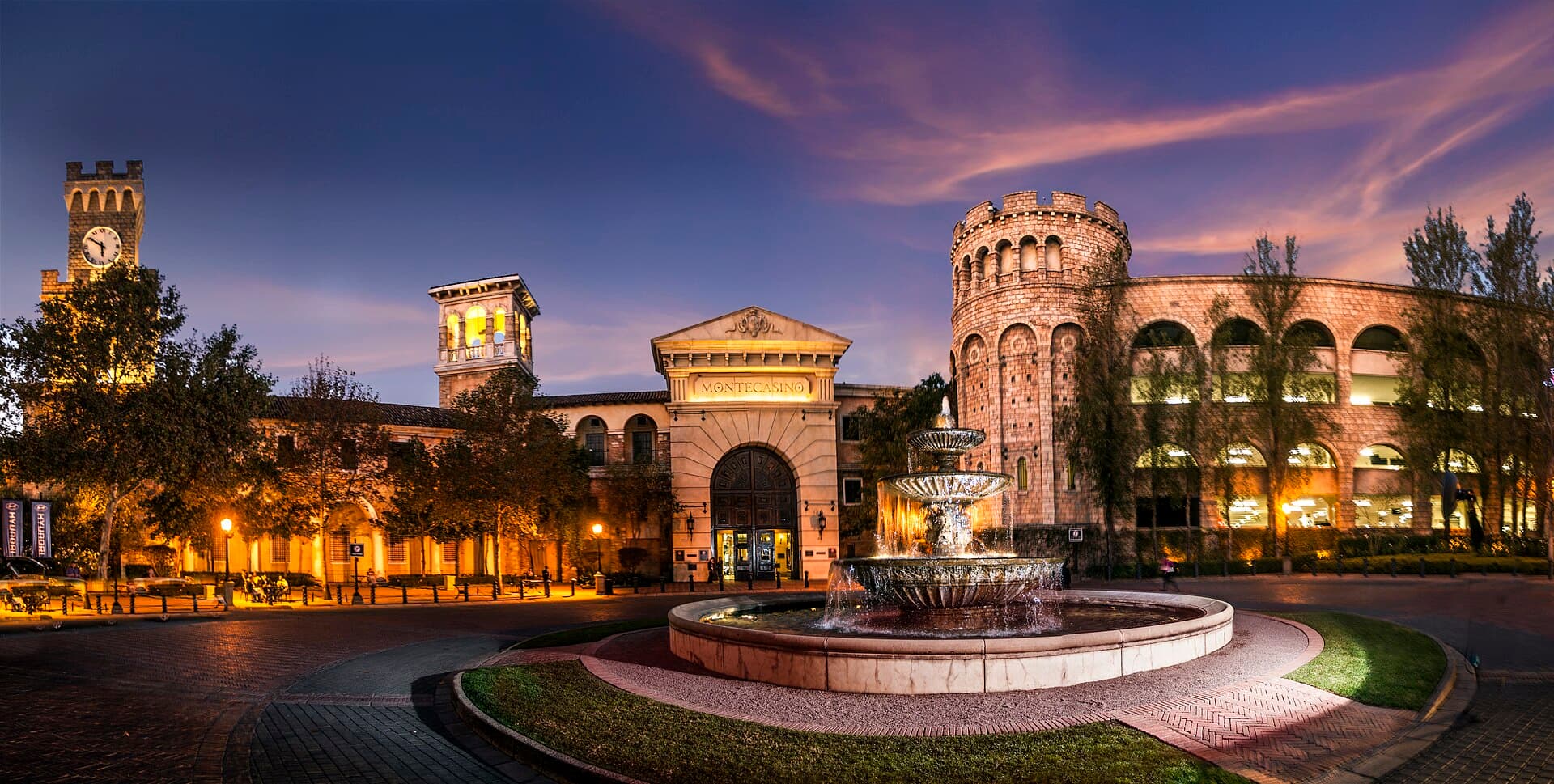 Landmarks & CitiesGauteng
Montecasino
A full-scale mock Tuscan village under a painted sky in northern Johannesburg — casino floor, bird gardens and what South African Tourism calls the country's largest theatre, all indoors.
Verified · 6 sources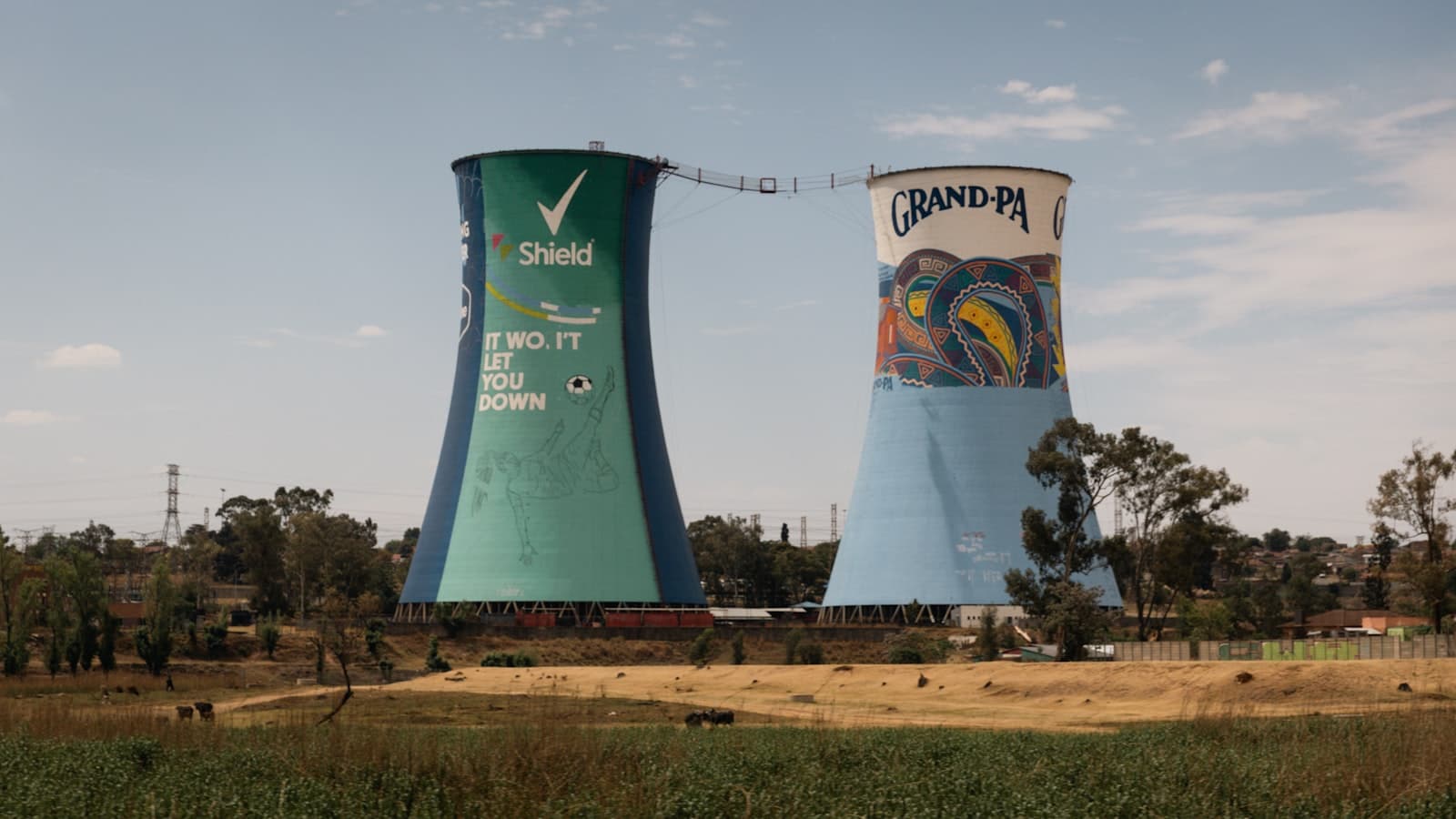 Culture & HistoryGauteng
Soweto
The township at the heart of South Africa's freedom struggle.
Verified · 1 source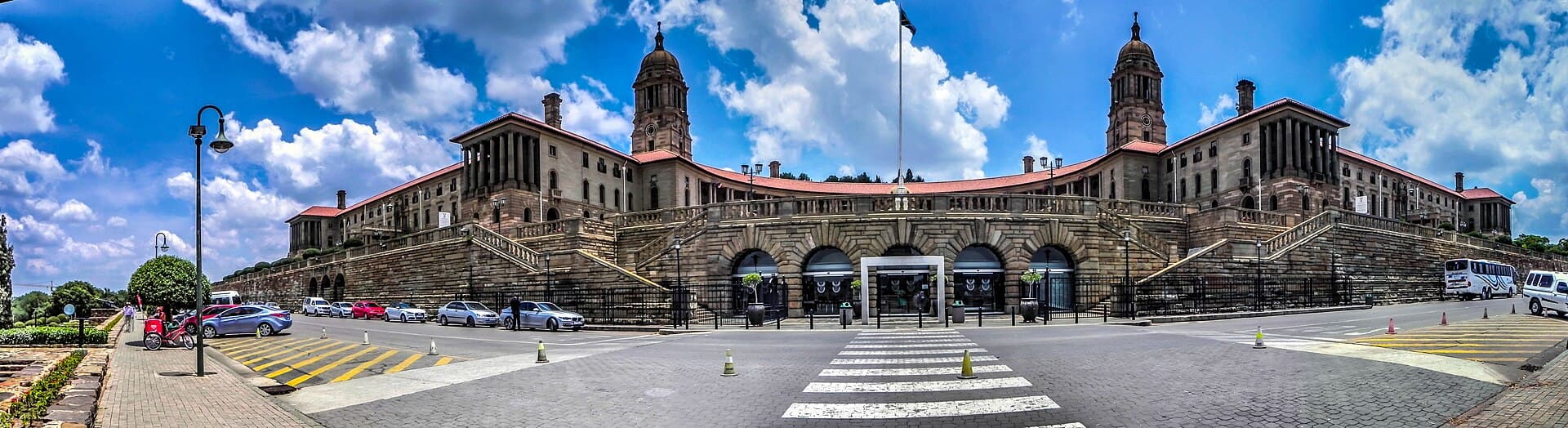 Landmarks & CitiesGauteng
Union Buildings
Herbert Baker's sandstone crescent crowns a Pretoria hilltop — the seat of South African government where Mandela was sworn in, its gardens now a UNESCO-listed emblem of reconciliation.
Verified · 4 sources
Sources 25, 99, 122, 125, 190, 261
Provincial capital confirmed via South Africa Info.