
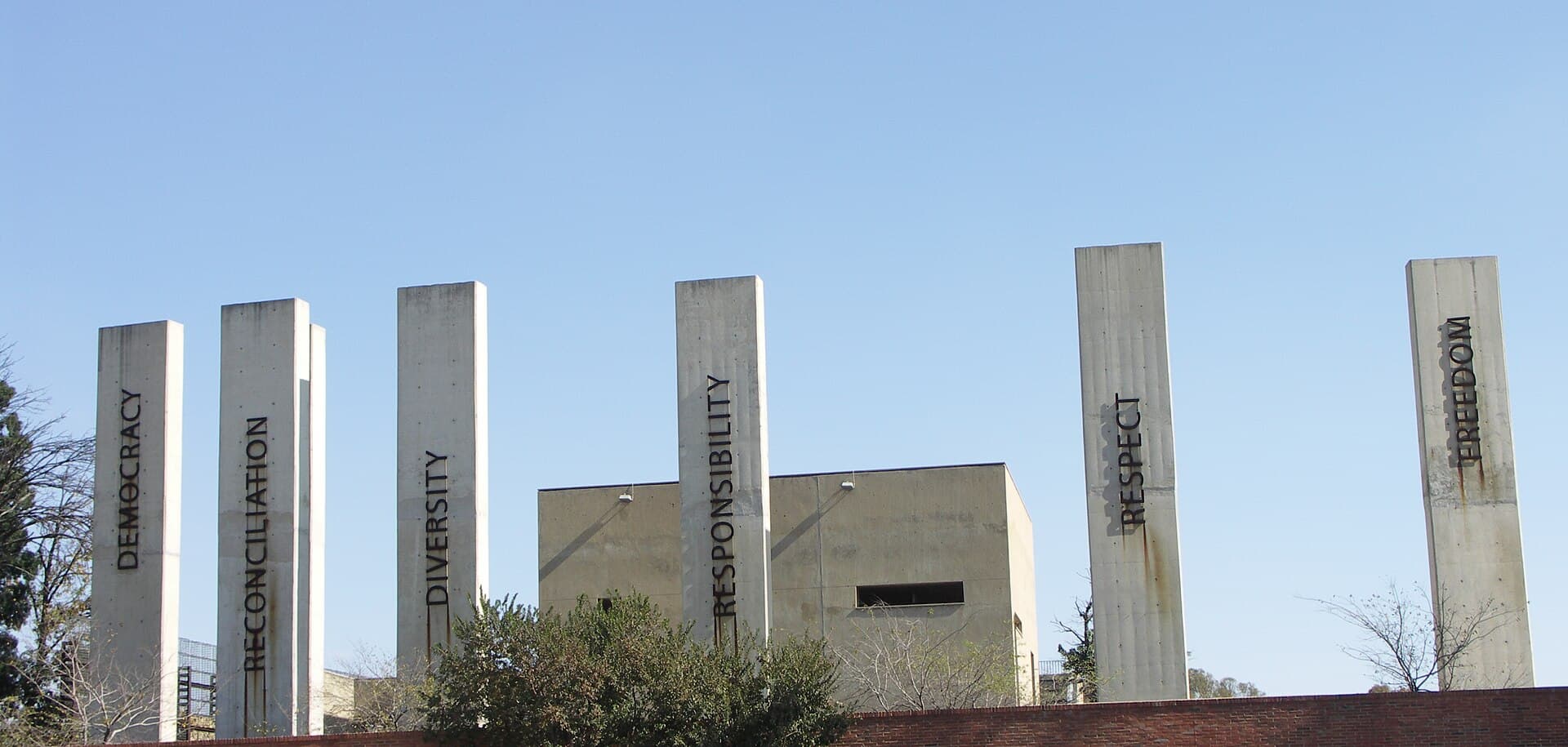
 NJR ZA, CC BY-SA 3.0 / Wikimedia Commons
Лучшее время для визита
Открыт со вторника по воскресенье, с 9:00 до 17:00 (понедельник — выходной); тише всего утром в будни, а на полный маршрут большинству посетителей нужно два-три часа. Музей крытый, поэтому визит одинаково комфортен в любой сезон.
Открытый в ноябре 2001 года на участке в семь гектаров рядом с Голд-Риф-Сити в районе Ормонде к югу от центра Йоханнесбурга, Музей апартеида стал первым учреждением, созданным специально для документирования апартеида — системы узаконенной расовой сегрегации, которая правила Южной Африкой с 1948 по 1994 год. Его основала некоммерческая организация Akani Egoli, а вырос он как ответвление проекта казино Gold Reef City, чья лицензионная заявка включала обязательства перед туризмом и обществом: казино профинансировало строительство стоимостью около 80 млн рандов. Суровое здание из кирпича и стали задумал консорциум из нескольких ведущих архитектурных бюро, а сегодня музей работает независимо от казино под управлением собственного попечительского совета.
Всё начинается ещё до залов. Каждому посетителю выдают билет, который случайным образом относит его к «белым» или «небелым», и направляют в один из двух соответствующим образом помеченных входов — мгновенный, дезориентирующий вкус общества, устроенного по расовому признаку. Дальше более 22 экспозиционных зон с помощью кинохроники, фотографий, текстовых панелей и подлинных предметов ведут рассказ от ранней сегрегации через эпоху апартеида к демократическому переходу 1994 года. Среди экспонатов — удостоверения с расовой классификацией, определявшие повседневную жизнь, зал памяти 131 противника режима, казнённого по законам о безопасности, Столпы Конституции и отдельная экспозиция о Нельсоне Манделе, которую South African Tourism называет самой популярной в музее.
Музей называет себя «главным в мире музеем, посвящённым Южной Африке XX века» — притязание, опирающееся на статус первого специально построенного учреждения такого рода. Сдержанный, а не триумфальный, он показывает механику апартеида и её демонтаж во всех неприукрашенных подробностях и остаётся одним из важнейших культурных адресов Йоханнесбурга для тех, кто хочет понять, как страна пришла к своей демократии.
Ещё по теме: Культура и история
 Культура и историяЗападно-Капская провинция
Бо-Каап
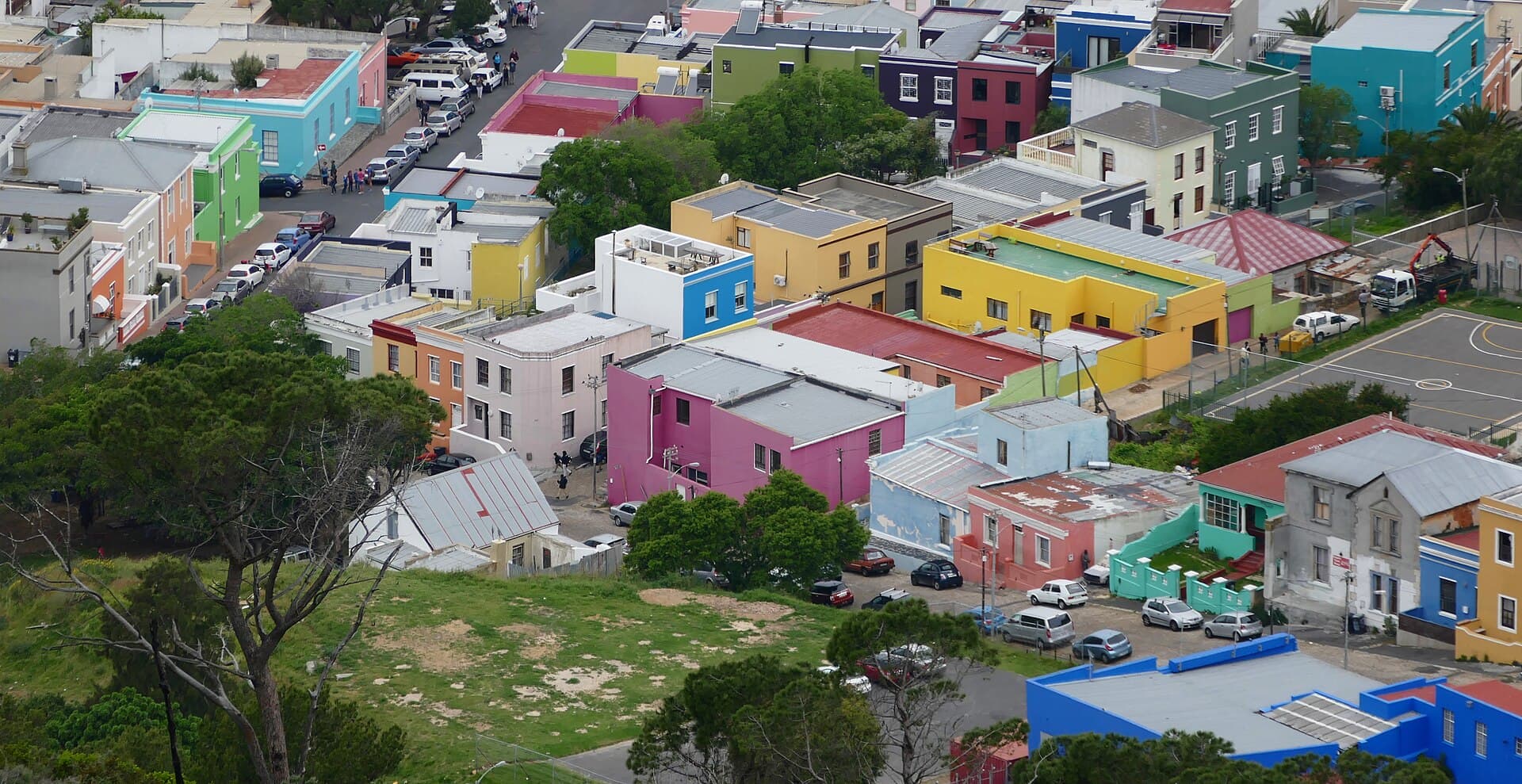
У подножия Сигнал-Хилл склон с домами карамельных цветов и мощёными переулками хранит старейший жилой квартал Кейптауна и сердце культуры капских малайцев.
Проверено · 5 источников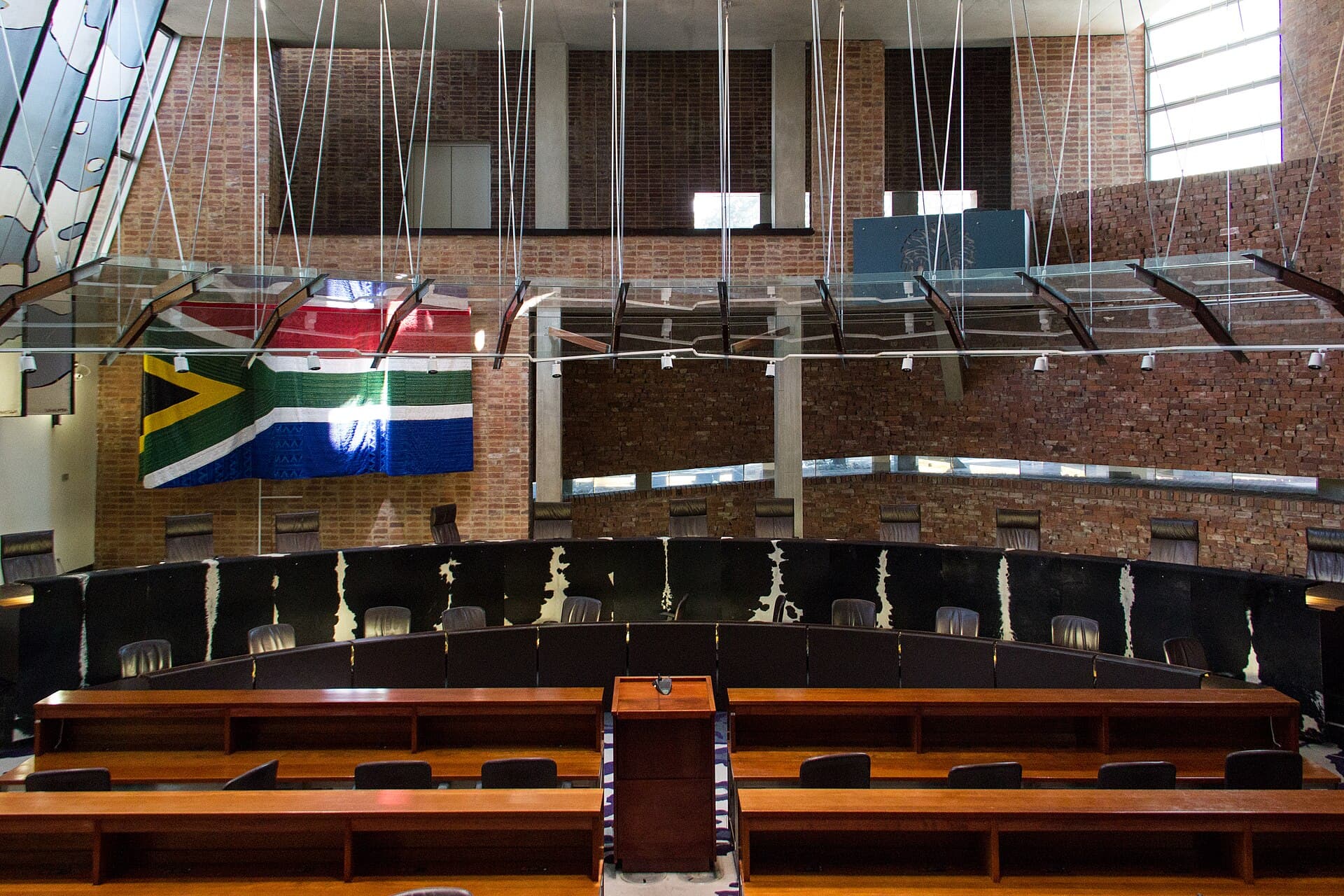 Культура и историяГаутенг
Конститьюшн-Хилл
Вековая тюрьма, где сидели Ганди и Мандела, приютила Конституционный суд ЮАР: репрессии, кирпич за кирпичом, превращённые в памятник правам человека.
Проверено · 4 источника Культура и историяГаутенг
Колыбель человечества
Пещеры, где нашли одних из самых ранних наших предков.
Проверено · 2 источника