
Safaris & der Kruger
Wie eine südafrikanische Safari wirklich abläuft: Nationalparks als Selbstfahrer oder mit Guide gegenüber exklusiven, geführten Privatreservaten, Malaria- versus malariafreie Gebiete und warum der trockene Winter ideal für die Tierbeobachtung ist. Mit einem ausführlichen Blick auf Größe, Tore, Straßen und Rastlager des Kruger-Nationalparks sowie malariafreie Alternativen wie Addo und Pilanesberg.
Eine südafrikanische Safari ist nicht ein und dasselbe. Das Land bietet zwei recht unterschiedliche Wege, den Big Five zu begegnen, und die Wahl zwischen ihnen prägt Ihr Budget, Ihren Tagesrhythmus und sogar die Medikamente in Ihrem Kulturbeutel. Den Unterschied zwischen Nationalparks und privaten Wildreservaten zu verstehen — und die Malariakarte, die sich über beide legt — ist das Nützlichste, was Sie bei der Planung tun können.
Nationalparks vs. private Wildreservate
South African National Parks (SANParks) verwaltet die öffentlichen Schutzgebiete des Landes, und seine Vorzeigereservate sind für individuelles Reisen ausgelegt. Sie können einen gewöhnlichen Wagen mieten, eine Tageskarte kaufen oder ein Rastlager buchen und im eigenen Tempo auf Entdeckung gehen — das ist die klassische Selbstfahrer-Safari. Dieselben Parks verkaufen auch Plätze bei Pirschfahrten in offenen Fahrzeugen unter Leitung von SANParks-Guides, für alle, die lieber nicht selbst fahren möchten. Der Kompromiss besteht darin, dass Selbstfahrer auf den öffentlichen Straßen bleiben müssen: kein Fahren abseits der Wege und in der Regel kein Verlassen des Fahrzeugs.
Private Wildreservate funktionieren nach dem gegenteiligen Modell. Hier fahren Sie überhaupt nicht selbst — Sie sind Gast in einer Lodge und werden von einem professionellen Ranger und Fährtenleser in einem offenen 4x4 hinausgeführt. Da das Land privat bewirtschaftet wird, dürfen Guides die Straße verlassen, um einem Leoparden durch den Busch zu folgen, Nachtfahrten mit Scheinwerfer durchführen und Wandersafaris leiten. Die Zahl der Fahrzeuge an einer Sichtung ist streng begrenzt, sodass das Erlebnis exklusiver und intensiver ist — und zwangsläufig erheblich teurer, da die Preise in der Regel Unterkunft, Mahlzeiten und Fahrten umfassen. Kurz gesagt: Nationalparks belohnen Unabhängigkeit und ein gutes Preis-Leistungs-Verhältnis; private Reservate verkaufen Zugang und Exklusivität.
Malaria vs. malariafrei
Ein Großteil des besten Safarigebiets Südafrikas liegt im nordöstlichen Lowveld, das ein saisonales Malariagebiet ist. Der Kruger-Nationalpark erstreckt sich über die Provinzen Mpumalanga und Limpopo, und die Mücken dort können Malaria übertragen. Stand 2026 ist das Risiko gering und stark saisonabhängig — am niedrigsten in den trockenen Wintermonaten und am höchsten am Ende der Sommerregen —, doch es ist nie ganz gleich null, sodass Reisende, die ins Lowveld fahren, aktuellen ärztlichen Rat zur Prophylaxe einholen und Vorkehrungen gegen Mückenstiche treffen sollten.
Wer mit kleinen Kindern reist, schwanger ist oder schlicht auf die Tabletten verzichten möchte, findet in Südafrika dank seines kühlen Klimas und des hoch gelegenen, trockenen Landesinneren eine ungewöhnlich große Auswahl an malariafreien Reservaten:
- Pilanesberg National Park (Provinz North West) — ein großes, malariafreies Big-Five-Reservat in einem uralten Vulkankrater, bequem von Johannesburg und Pretoria aus zu erreichen.
- Addo Elephant National Park (Ostkap) — ein malariafreier SANParks-Park bei Gqeberha (Port Elizabeth), berühmt für seine riesigen Elefantenherden und den Zugang für Selbstfahrer.
- Weitere malariafreie Optionen sind das Madikwe Game Reserve und Teile des Waterberg.
Wann man fahren sollte: der Vorteil des trockenen Winters
Für die Tierbeobachtung ist der trockene Winter — grob Mai bis September — das beste Zeitfenster. Wenn der Busch austrocknet und sich lichtet, konzentrieren sich die Tiere um die verbleibenden Wasserlöcher und Flüsse, und die spärliche Vegetation macht es weitaus leichter, sie zu entdecken. Die Tage sind mild und sonnig mit wenig Regen, wobei die Fahrten am frühen Morgen wirklich kalt sein können. Die grüne Sommersaison (etwa November bis März) hat ihre eigenen Reize — üppige Landschaft, Zugvögel und neugeborene Tiere —, doch der dichtere Busch erschwert die Sichtungen und fällt mit den feuchteren Monaten höheren Malariarisikos zusammen.
Genauer betrachtet: der Kruger-Nationalpark
Kruger ist der Riese, der die südafrikanischen Safaris berühmt gemacht hat, und gerade seine schiere Größe macht das kostengünstige Selbstfahren möglich. Der Park umfasst nahezu 20,000 Quadratkilometer — gemeinhin mit rund 19,500 km² angegeben, also fast zwei Millionen Hektar — und erstreckt sich etwa 350 bis 360 Kilometer von Norden nach Süden entlang der Grenze zu Mosambik. Er ging aus dem 1898 ausgerufenen Sabie Game Reserve hervor und wurde 1926 erweitert und zum Nationalpark erklärt. 2002 wurde er zum südafrikanischen Kernstück des Great Limpopo Transfrontier Park, der ihn mit dem Limpopo-Park in Mosambik und dem Gonarezhou-Park in Simbabwe verbindet.
Was Kruger von den meisten afrikanischen Wildnisgebieten abhebt, ist seine Infrastruktur. Ein Netz asphaltierter Hauptstraßen (bequem mit einem gewöhnlichen Fahrzeug ohne Allradantrieb befahrbar) und geschotterter Nebenstraßen durchzieht den gesamten Park, verankert durch rund ein Dutzend große Rastlager — Skukuza, Lower Sabie, Satara, Olifants, Letaba und weitere — sowie kleinere Buschveld- und Satellitenlager, die alles von Zeltplätzen bis zu Bungalows bieten. Neun Eingangstore, über die beiden Provinzen verteilt, versorgen dieses System; Tore und Lager öffnen bei Tagesanbruch und schließen bei Einbruch der Dunkelheit zu saisonal angepassten Zeiten, und wer nach Torschluss draußen erwischt wird, muss ein Bußgeld zahlen. Zusammen ermöglichen die Straßen, Tore und Lager einer Familie, eine vollständig selbst geführte Safari zu planen — etwas, das in einem privaten Reservat nahezu unmöglich ist.
Der „Greater Kruger“ und private Optionen
Der Begriff „Greater Kruger“ spiegelt eine Besonderheit des Naturschutzes wider: Entlang der Westgrenze Krugers wurden die Zäune zwischen dem Nationalpark und einer Ansammlung angrenzender privater Reservate entfernt, sodass sich die Tierwelt frei durch das gesamte Ökosystem bewegt. Das bekannteste davon ist Sabi Sand, weithin als einer der besten Orte der Welt geltend, um Leoparden zu sehen; wie andere private Reservate hat es keine öffentlichen Straßen und weder Selbstfahrer noch Tagesgäste und bietet stattdessen geführte Offroad- und Nachtfahrten. Davon getrennt verpachtet SANParks auch mehrere private Konzessionen innerhalb von Kruger selbst, wo eine Handvoll Luxuslodges exklusive Befahrungsrechte genießt und das Fahren abseits der Wege, Nachtfahrten und geführte Wanderungen anbieten kann, die der öffentliche Selbstfahrerpark nicht erlaubt. Das Fazit: Sie können Krugers Tierwelt mit kleinem Budget als Selbstfahrer, in einer Privatlodge mit Rundumservice oder irgendwo dazwischen erleben — genau deshalb bleibt er der Maßstab für eine erste afrikanische Safari.
Orte, um es zu erleben
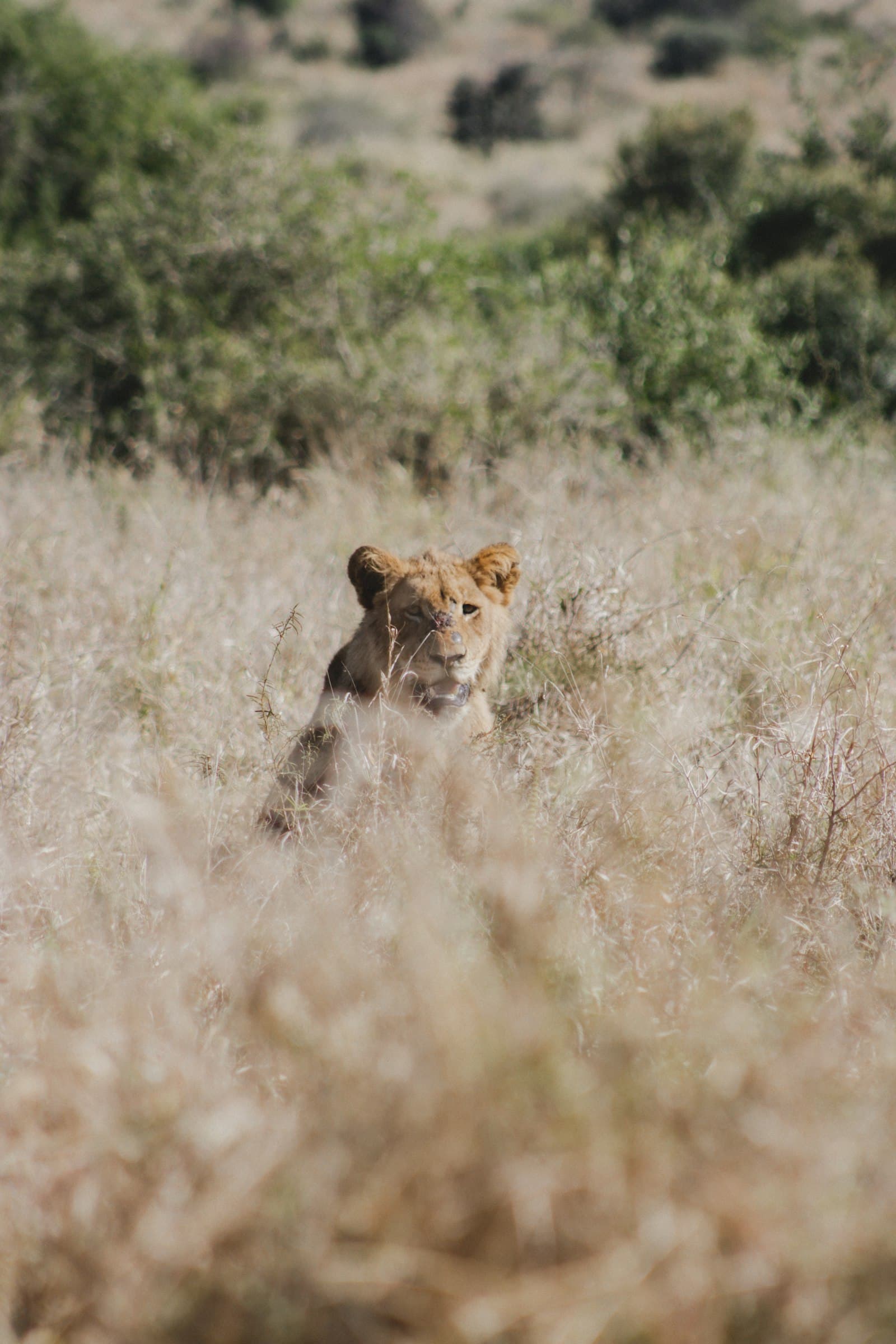 Tierwelt & SafariMpumalanga
Kruger-Nationalpark
Südafrikas Flaggschiff-Safari – Big-Five-Land, ungefähr so groß wie ein kleines Land.
Verifiziert · 33 Quellen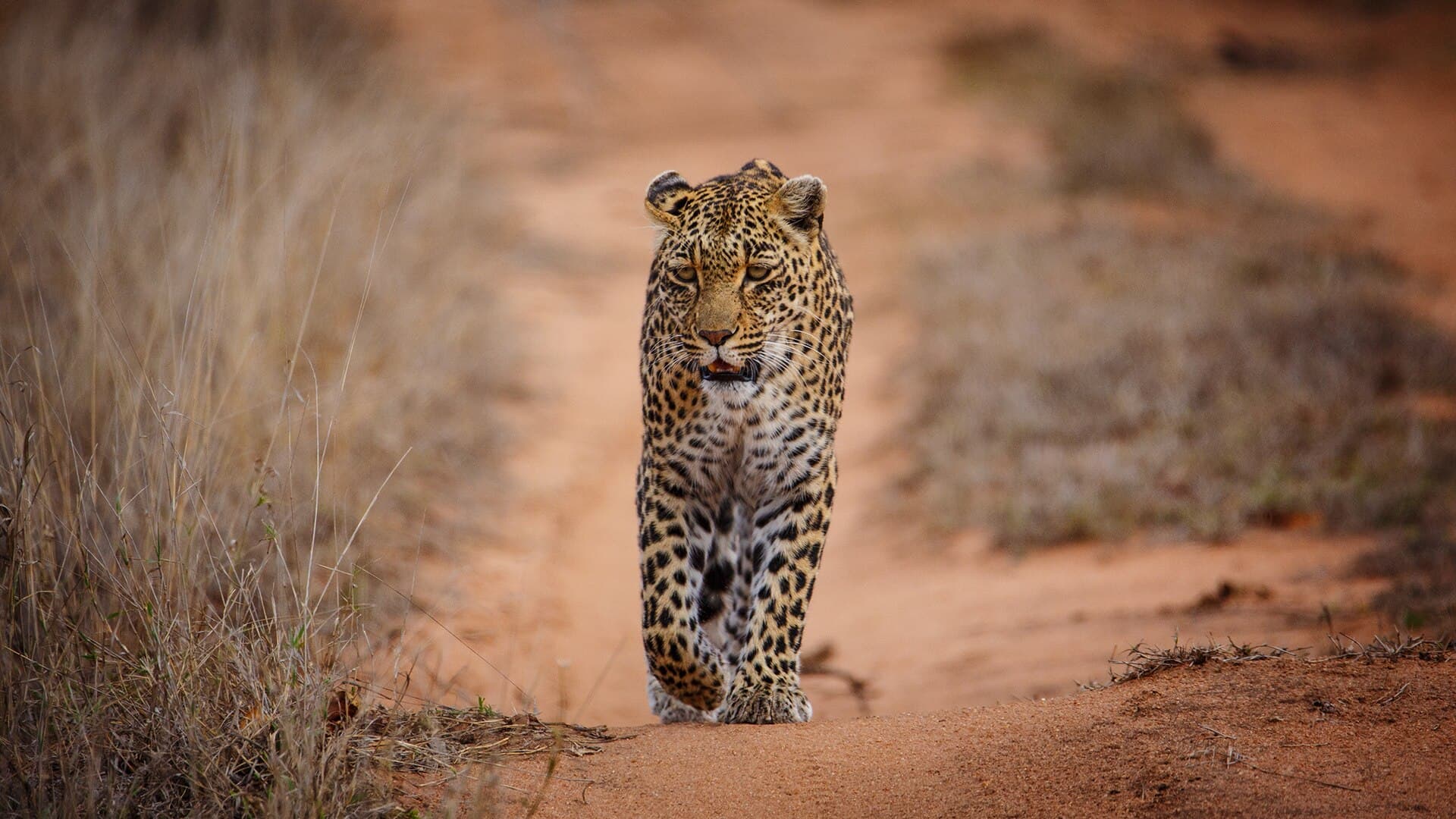 Tierwelt & SafariMpumalanga
Sabi Sand Game Reserve
Am unumzäunten Westrand des Kruger gilt dieses wegweisende private Reservat als der Ort mit Afrikas verlässlichsten Leopardensichtungen, wo die Big Five frei über rund 65,000 Hektar Lowveld-Wildnis ziehen.
Verifiziert · 4 Quellen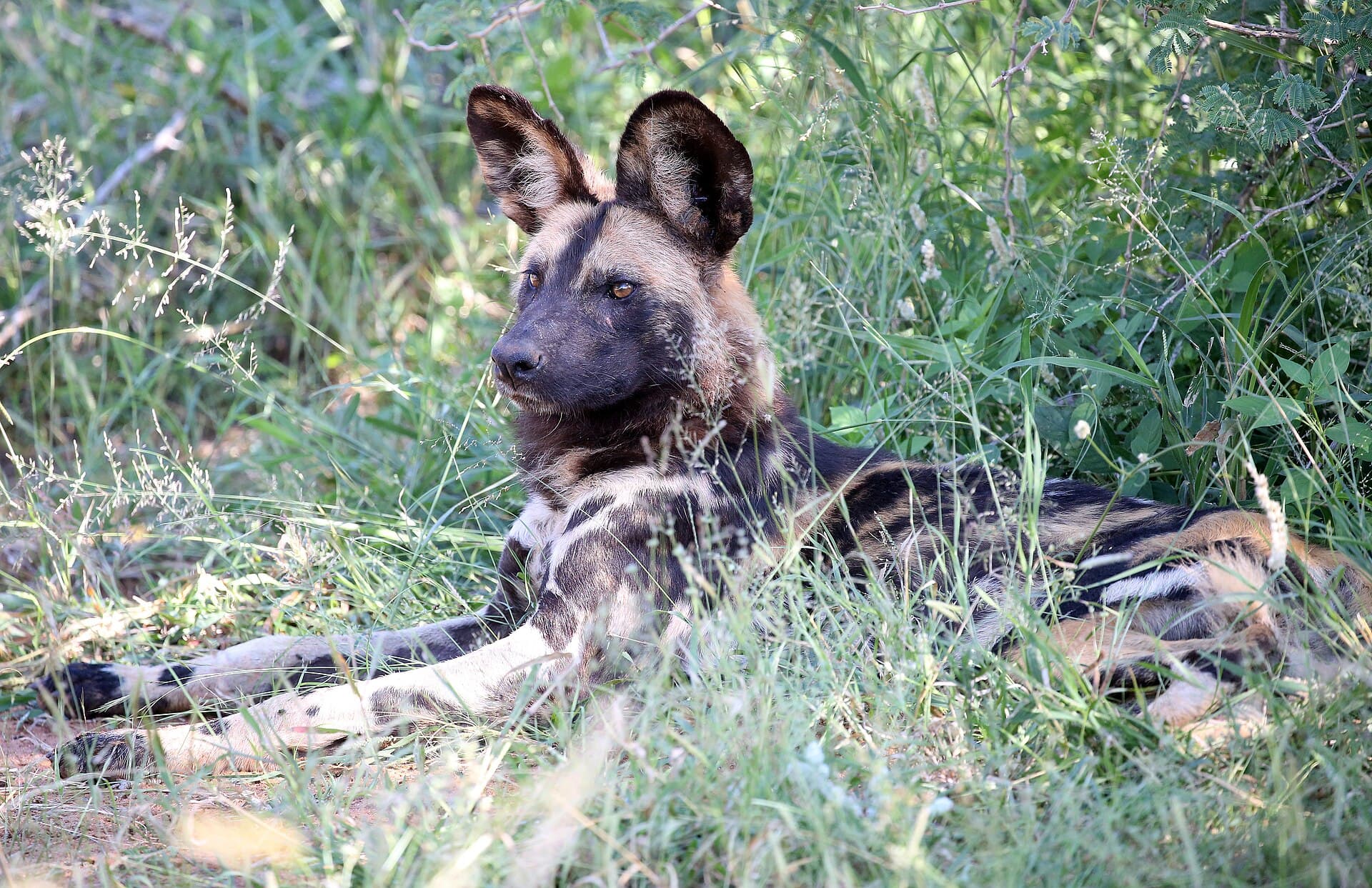 Tierwelt & SafariNordwest
Madikwe Game Reserve
Eine malariafreie Big-Five-Wildnis an der Grenze zu Botswana, aus mageren Rinderfarmen wiedergeboren und heute einer der besten Orte Südafrikas, um bedrohte Afrikanische Wildhunde auf Streifzug zu beobachten.
Verifiziert · 3 Quellen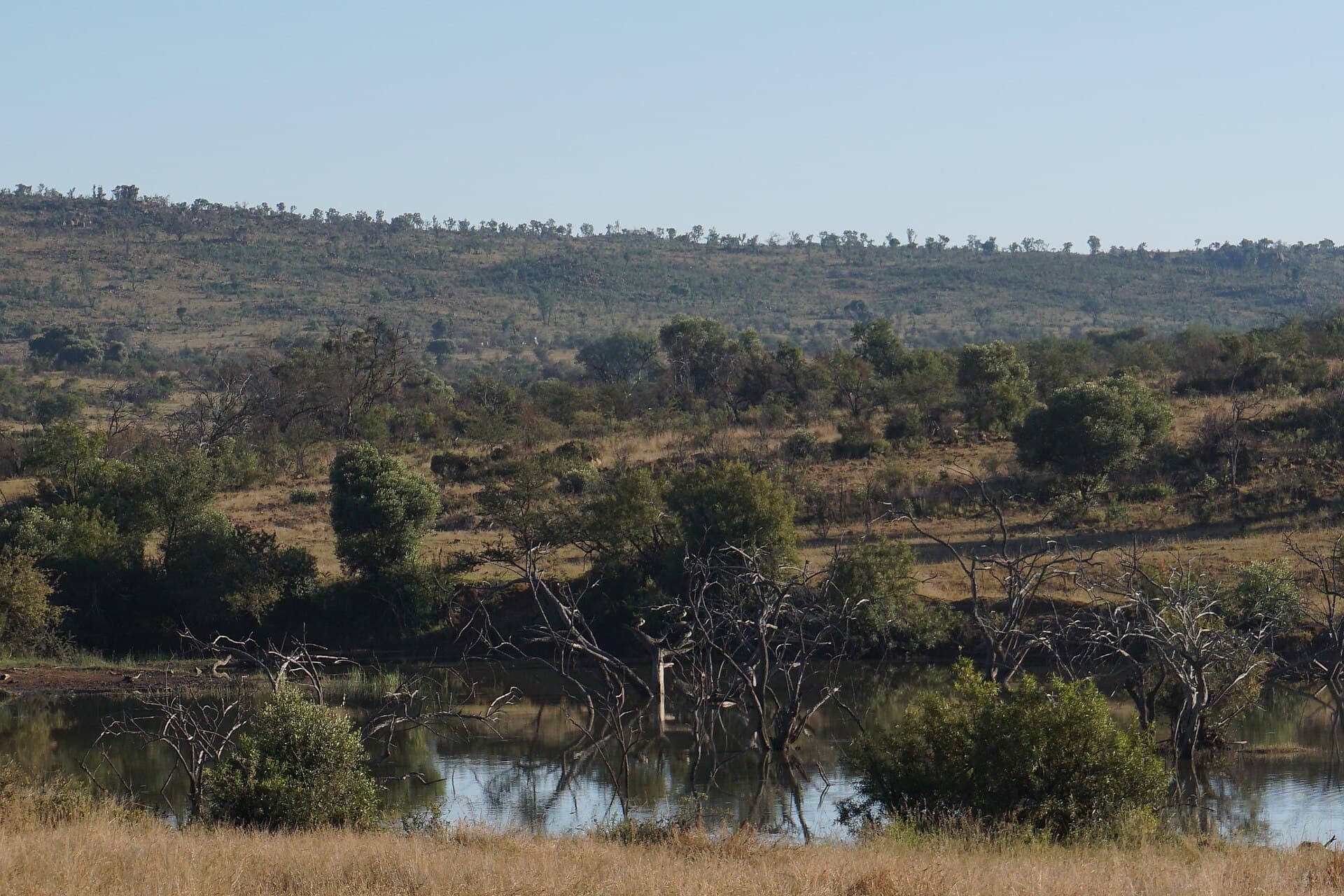 Tierwelt & SafariNordwest
Pilanesberg-Nationalpark
Eine malariafreie Big-Five-Wildnis im erodierten Krater eines Vulkans, der vor weit über einer Milliarde Jahren zuletzt ausbrach und dessen konzentrische Steinringe aus der Luft noch immer lesbar sind.
Verifiziert · 4 Quellen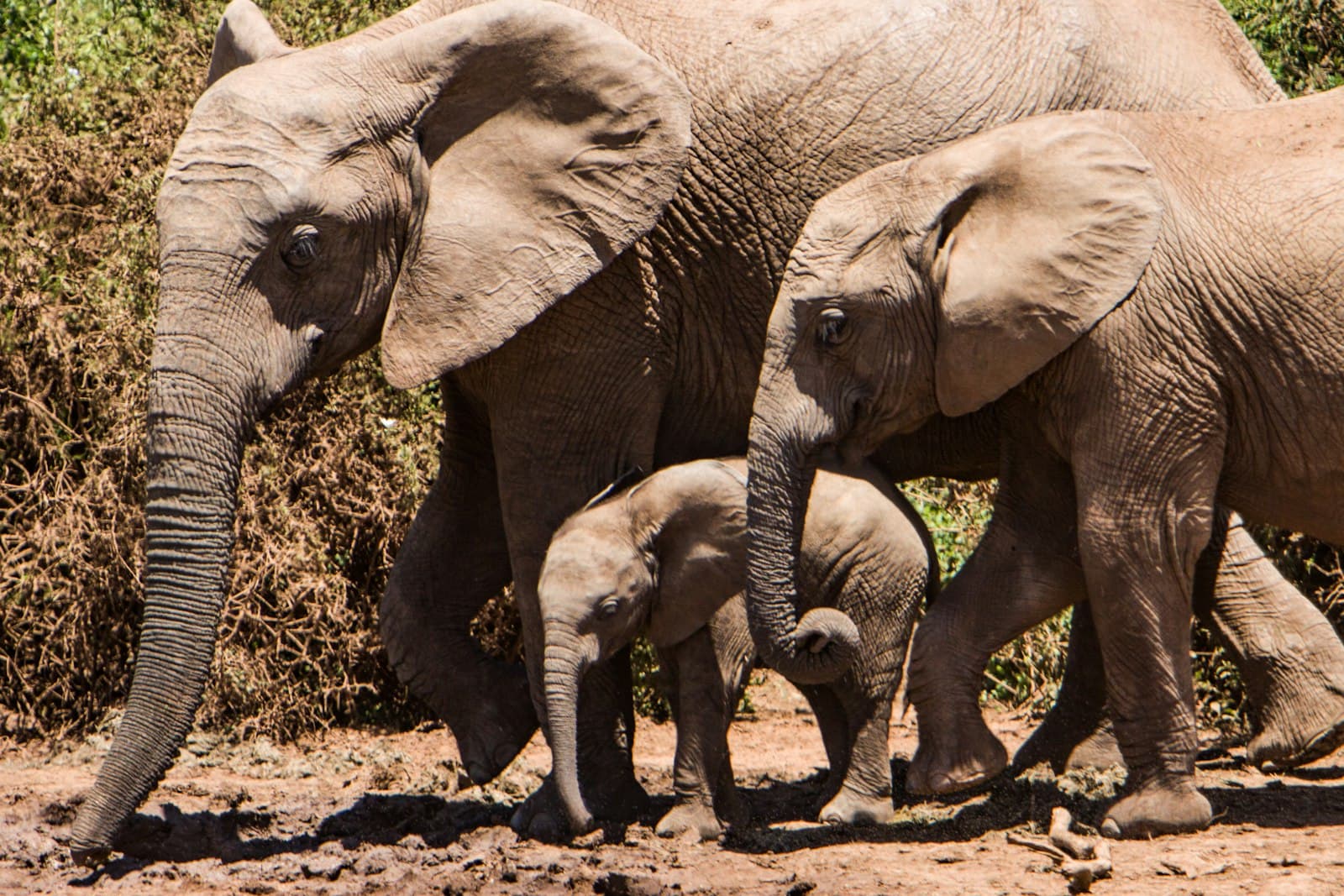 Tierwelt & SafariOstkap
Addo-Elefanten-Nationalpark
Malariafreies Big-Seven-Land in der Provinz Ostkap.
Verifiziert · 1 Quelle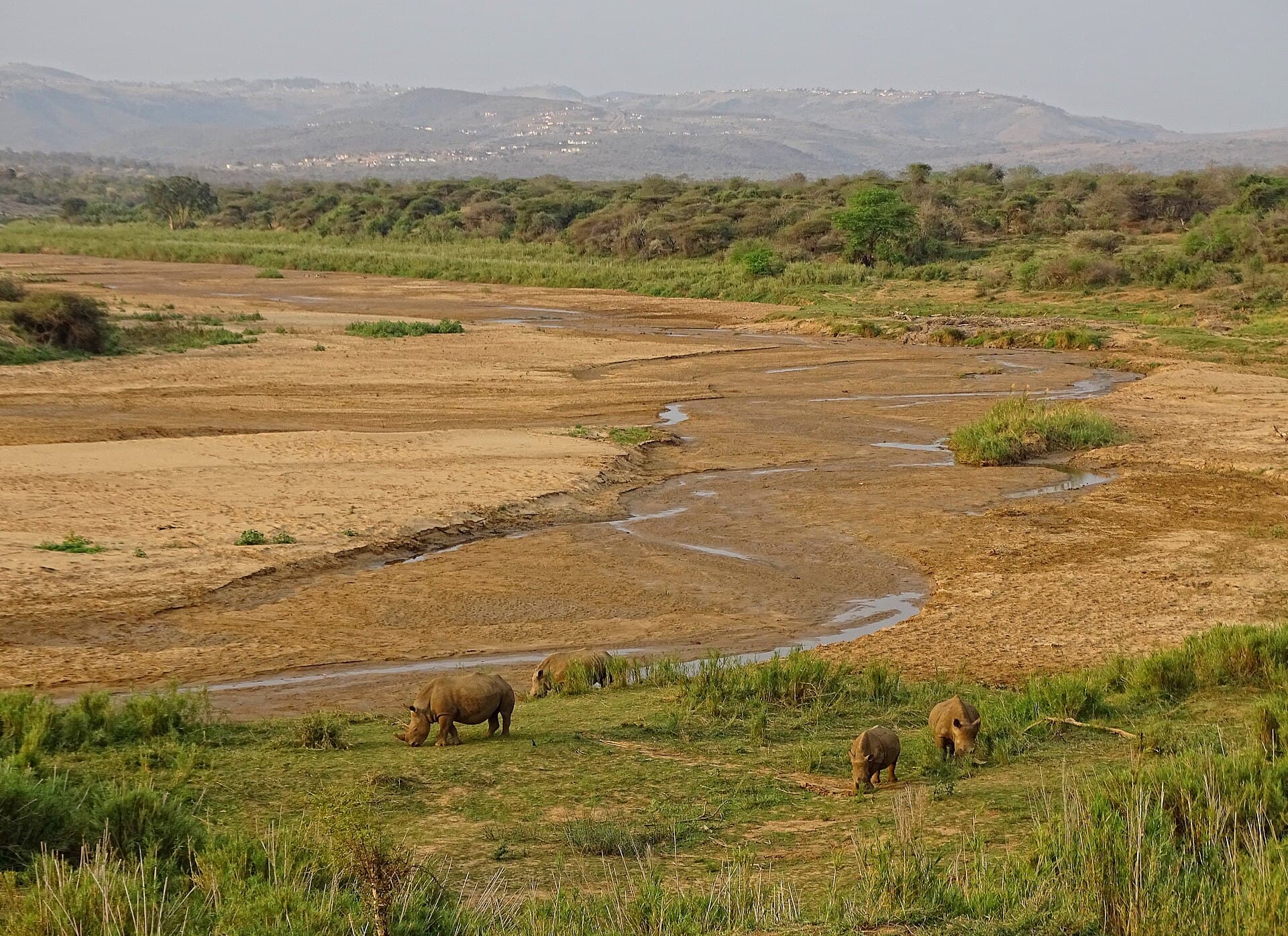 Tierwelt & SafariKwaZulu-Natal
Hluhluwe-iMfolozi Park
Weithin dokumentiert als Afrikas ältestes proklamiertes Wildreservat, wo die Operation Rhino das Südliche Breitmaulnashorn vor dem Aussterben bewahrte und noch immer alle Big Five durch die Hügel Zululands ziehen.
Verifiziert · 4 Quellen