
Diving South Africa
A diver's guide to South Africa's Indian Ocean coast: the coral reefs of Sodwana Bay in iSimangaliso, the shark reefs of Aliwal Shoal and Protea Banks, the winter Sardine Run, and great-white cage diving at Gansbaai. Honest on seasons, and that wild sightings are never guaranteed.
South Africa meets two oceans, and its diving reflects the split: a cool, kelp-rich Atlantic in the west and a warm, tropical Indian Ocean sweeping down the east coast on the Agulhas Current. That warm current is the thread running through most of the country's marquee underwater experiences, from coral gardens near the Mozambique border to shark-dense reefs off KwaZulu-Natal (KZN). A word of honesty before you book anything: the ocean here is genuinely wild. Water temperature, visibility, swell and the animals themselves shift week to week and year to year, so treat every "season" below as a probability, not a promise. Nothing that swims is guaranteed.
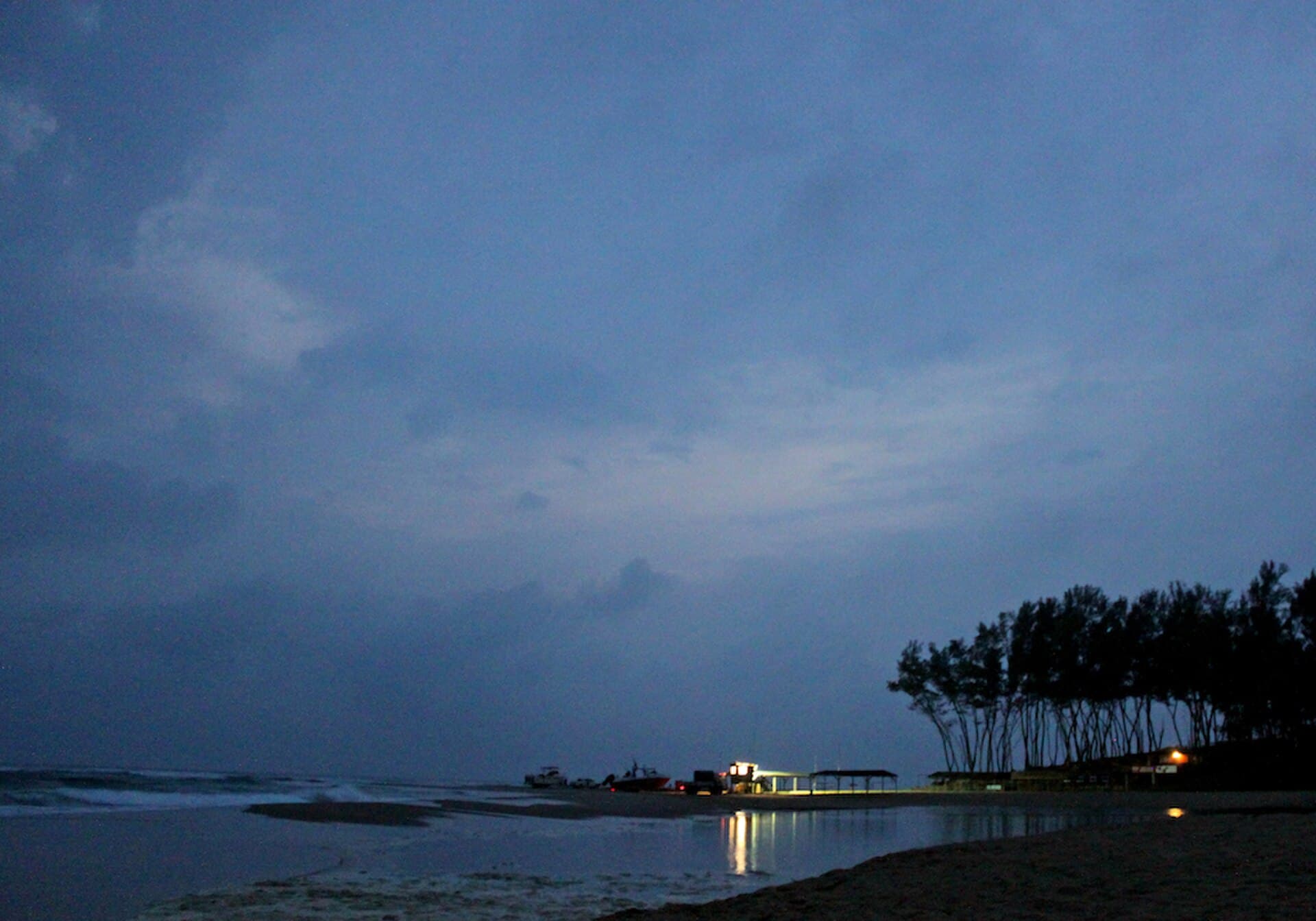
Sodwana Bay: coral in iSimangaliso
Sodwana Bay sits inside the iSimangaliso Wetland Park, which South African Tourism notes was declared the country's first UNESCO World Heritage Site in 1999. The park's own authority bills Sodwana as home to some of the world's most southerly coral reefs, the southernmost in Africa, flourishing in the warm Indian Ocean and supporting more than 1,200 recorded fish species. (Australia's Lord Howe Island, at about 31.5 degrees S, is generally recognised as the single southernmost coral reef on Earth.) Divers here follow a string of reefs named for their distance offshore, Quarter-Mile, Two-Mile, Five-Mile and Seven-Mile, exploring hard and soft corals, moray eels, potato bass, turtles, rays and, in the warmer months, the chance of whale sharks and manta rays. Sodwana is also famous in science: the coelacanth, an ancient fish once thought extinct, was recorded here in the deep offshore canyons in 2000, though those depths lie far beyond recreational diving limits.
The reefs are at their best in the warm season, roughly October through May, when water temperatures run warm (about 23-28 degrees C) and visibility is generally strong — usually clearest from about March to May. This overlaps with a bonus above the waterline: iSimangaliso's beaches are a globally important nesting ground for loggerhead and leatherback turtles, which lay eggs along the coast between roughly November and March.
KZN's shark reefs: Aliwal Shoal and Protea Banks
Further south along the KZN coast, two offshore reefs draw divers specifically for sharks. Aliwal Shoal, off the town of Umkomaas, and Protea Banks, off Shelly Beach/Margate, are both Marine Protected Areas built from fossilised dune rock, laced with caves, gullies and pinnacles. These are advanced dives: currents can be strong, sites sit several kilometres offshore, and depths at Protea Banks reach well past 40 metres, so solid experience and an operator briefing matter.
The species change with the season. In the cooler winter and spring months (broadly June to November), ragged-tooth sharks, also called raggies or grey nurse sharks, gather in numbers, particularly at Aliwal Shoal, to mate. In the warmer summer months, the highlight shifts to Zambezi (bull) sharks, especially at Protea Banks, with seasonal tiger sharks and the start of hammerhead activity around late spring. Blacktips are common on baited dives. Water hovers around 19 degrees C in winter and up to about 25 degrees C in summer. As with everywhere on this coast, which sharks show up on a given day is never certain.
The Sardine Run
Each austral winter, one of the ocean's great spectacles unfolds along the KZN coast: the Sardine Run. Billions of Southern African pilchard (Sardinops sagax) move north in dense shoals so large they can be seen from space. The Two Oceans Aquarium explains the mechanism: sardines are cold-water fish that need to stay on the cool side of roughly the 21 degrees C thermal boundary, so a wintertime cooling of the inshore water, penned between the coastline and the warm Agulhas Current, opens a narrow corridor that lets the fish push unusually far north. The run is timed to this cold-water window, generally somewhere between May and July, often peaking around June and into July.
The shoals trigger a feeding frenzy, drawing common dolphins, Cape gannets, bronze whaler and other sharks, and whales, the real reason divers and snorkellers travel for it. But be clear-eyed: the run is notoriously variable, and the aquarium notes that sardine biomass has dropped sharply over recent decades, to well under a quarter of its early-2000s high. Some years are spectacular; some barely materialise. Book it as an adventure, not a sure thing.
Great whites at Gansbaai
On the other coast, about two hours southeast of Cape Town near the town of Gansbaai, boats launch from tiny Kleinbaai harbour toward Dyer Island and Geyser Rock. The channel between them, Shark Alley, and the surrounding waters made this region world-famous for great-white shark cage diving, where you view sharks from a surface cage rather than on scuba.
Here honesty is essential. As of 2026, great-white sightings at Gansbaai are far less reliable than in the region's heyday. A 2009-2024 study of cage-diving observations published in a peer-reviewed journal found that white-shark sightings began declining from around 2017, a change the authors link to the arrival of a pair of transient killer whales (orcas) that prey on white sharks, alongside climate factors. In practice, operators now sometimes encounter copper (bronze whaler) sharks instead of great whites, and no trip can promise a great white. The historical seasonal pattern still holds when the sharks are present, with animals concentrating near the island and Shark Alley in winter and moving closer inshore in summer, but the broader picture is genuinely uncertain, so ask your operator what they have actually been seeing before you travel.
Best seasons at a glance
- Sodwana Bay coral reefs: warmest water and best visibility roughly October-May; whale sharks and mantas more likely in summer.
- Aliwal Shoal / Protea Banks ragged-tooth sharks: cooler months, roughly June-November.
- Protea Banks bull, tiger and hammerhead sharks: the warmer summer months.
- Sardine Run: the winter cold-water window, roughly May-July, often peaking in June/July, and highly variable year to year.
- Gansbaai great whites: historically year-round with seasonal shifts, but sightings unreliable as of 2026 due to orca predation, confirm current conditions with operators.
Whatever you choose, dive within your certification and experience, use a reputable, permitted operator, and go in expecting the ocean to have the final say. That unpredictability is exactly what makes these encounters worth the trip.
Places to experience it
 Beaches & CoastKwaZulu-Natal
Sodwana Bay
A diving mecca on KwaZulu-Natal's remote Maputaland coast, where some of the world's most southerly coral reefs shelter more than 1,200 fish species inside a UNESCO World Heritage wetland.
Verified · 4 sources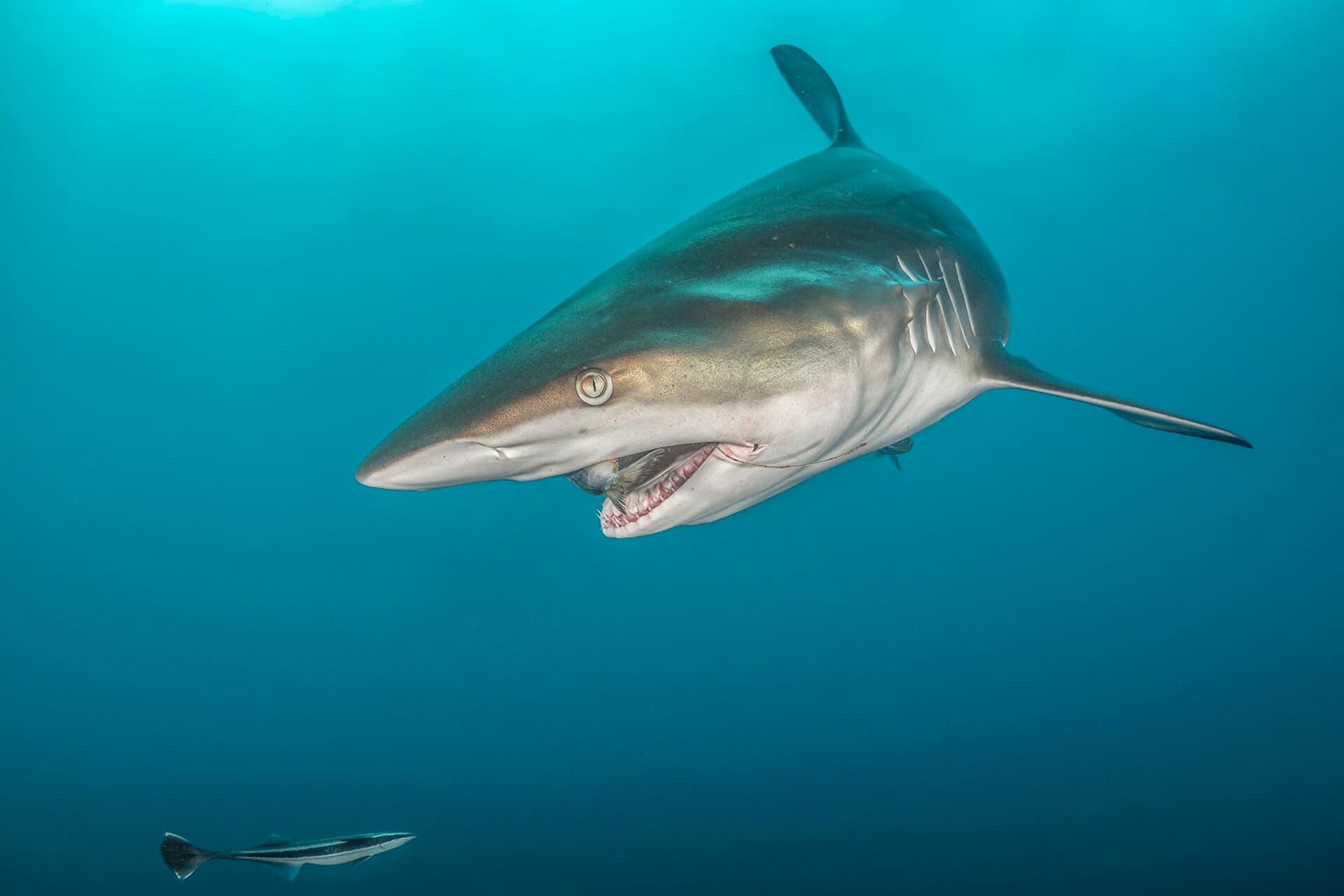 Adventure & ActivitiesKwaZulu-Natal
Aliwal Shoal
A fossilised dune reef about 5 km off Umkomaas where cage-free divers meet ragged-tooth sharks in winter and open-water tiger sharks in summer.
Verified · 5 sources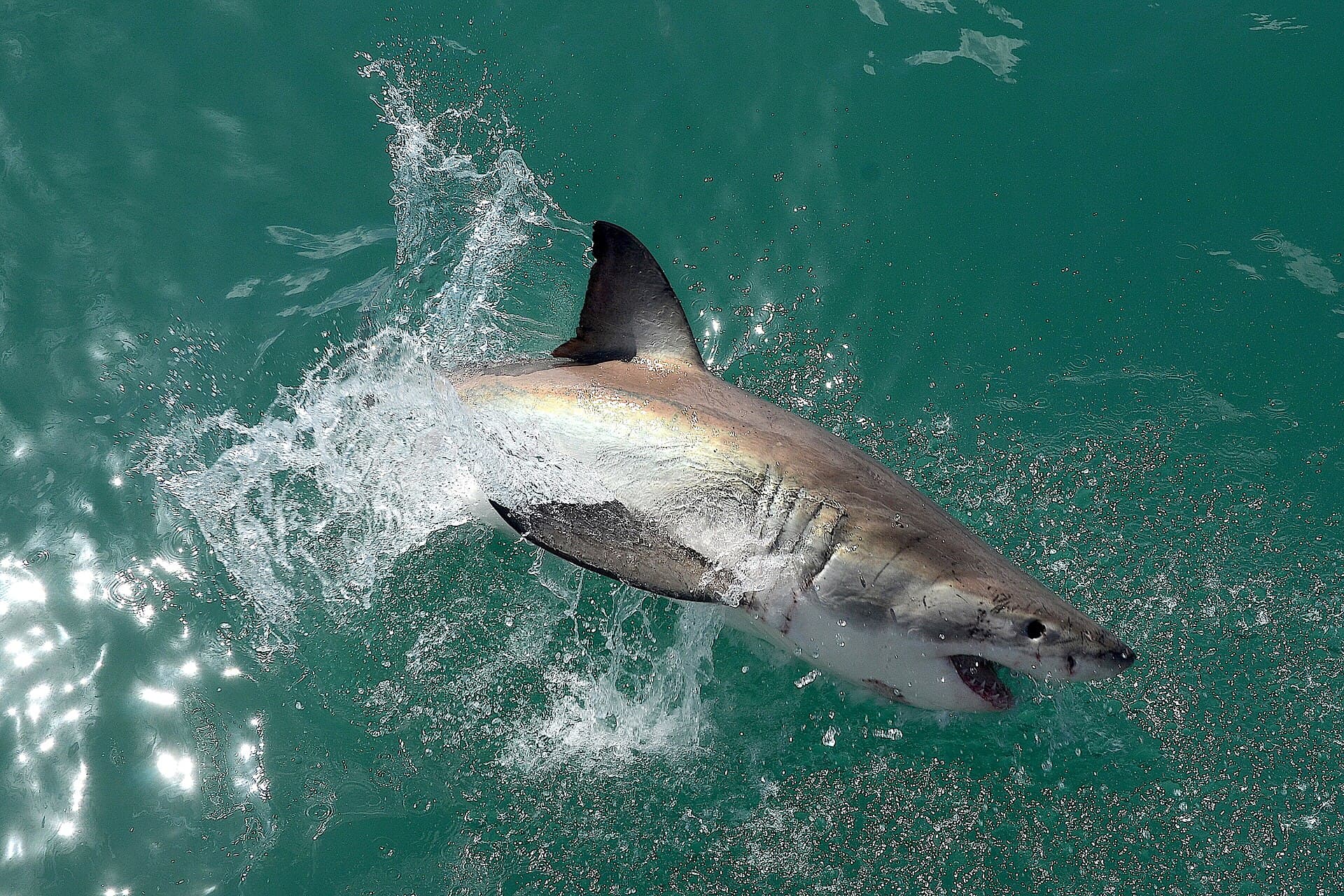 Adventure & ActivitiesWestern Cape
Gansbaai Shark Cage Diving
Come face to face with sharks in the self-styled great white capital.
Verified · 1 source