
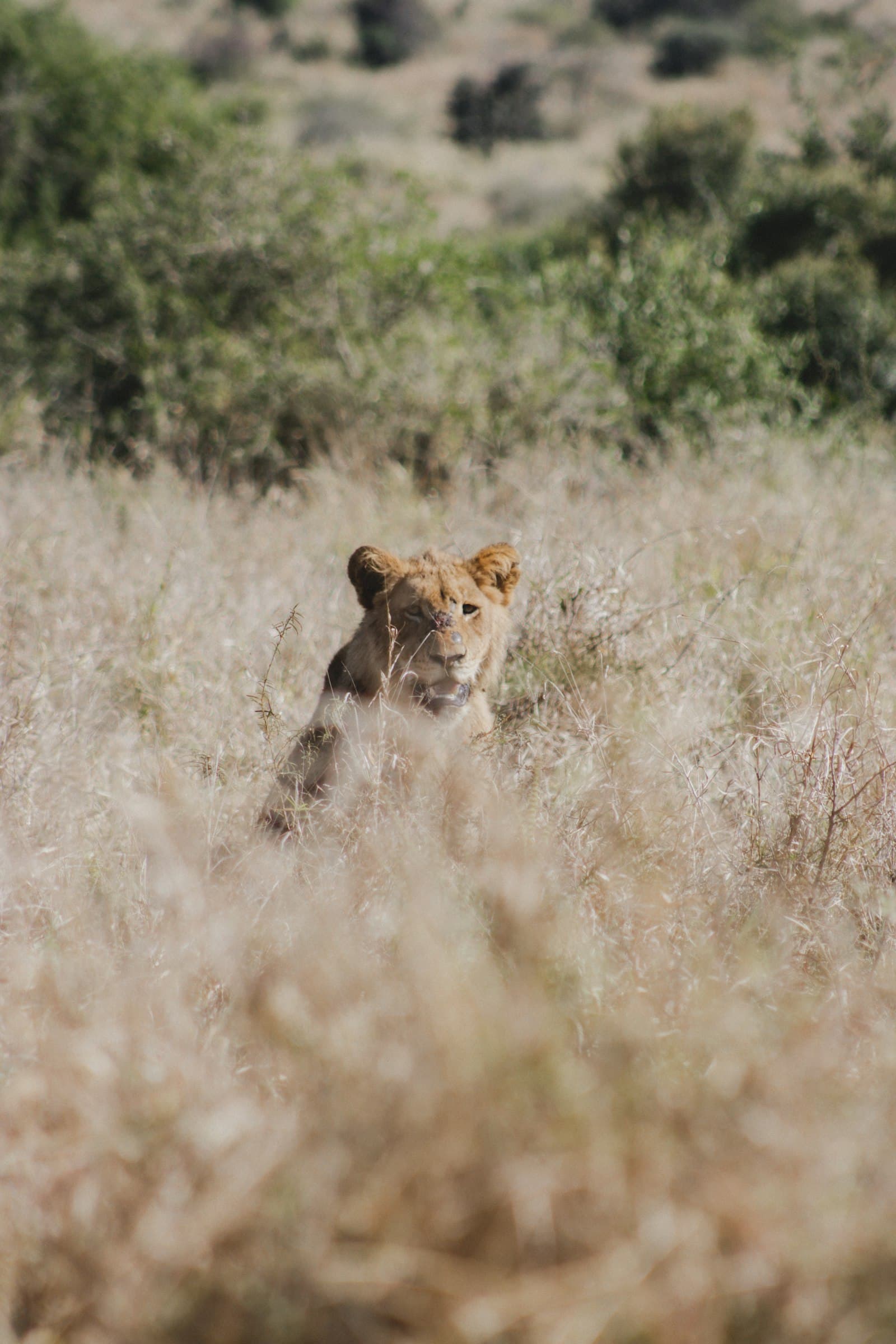
 Zeke Tucker / Unsplash
Best time to visit
April to September — the dry winter, when thin bush and busy waterholes make game easiest to spot
Kruger is South Africa's best-known safari destination, spanning nearly two million hectares of Lowveld along the Mozambique border — from Mpumalanga in the south deep into Limpopo in the north. It shelters the Big Five — lion, leopard, elephant, buffalo and rhino — alongside 147 mammal species and more than 500 birds on SANParks' own count.
A tarred road network makes Kruger one of the few great African parks you can explore in your own car, while private concessions leased inside the park — from Jock and Lukimbi in the south to Singita's Lebombo concession on the eastern boundary — offer guided game drives, and the fence-dropped private reserves of the Greater Kruger line its western edge. The dry winter months concentrate wildlife around rivers and waterholes, making April to September the classic time to visit.
South, central, north: three parks in one
Kruger is long enough that choosing a region is really choosing a holiday. The southern circle — Skukuza, Lower Sabie and Crocodile Bridge, threaded together by the tarred road along the perennial Sabie River — is where most first-time visitors go and where most of them stay. It has the densest road network, the shortest transfers from the Johannesburg road and the airports, and the highest concentration of camps; it is also, unavoidably, the busiest corner of the park. SANParks divides the park ecologically at the Olifants River: mopane veld dominates to the north of it, thornveld to the south.
Push north past Tshokwane and the bush opens out. Central Kruger is grass country — flat, wooded savanna where herds are visible at distance and the predators that follow them are correspondingly easier to find. Satara sits at its heart, in what SANParks calls an excellent game-viewing area with the bush relatively open. The regional guide publisher Siyabona Africa attributes the reputation to prey rather than luck, crediting the nutritious grasses with feeding some of the park's biggest herds of zebra, buffalo, impala and wildebeest — and, in its words, "the highest lion population in Kruger". Whether south or central is genuinely the richer region is a question the sources do not settle — reasonable guides argue both — so treat it as a well-supported reputation rather than a measured fact.
The far north is a different park again. Mopane scrub, baobabs and sandveld replace the thorn savanna; the camps thin out to Shingwedzi and Punda Maria; and the traffic all but disappears. SANParks itself calls the far north the wildest and hardest-to-reach region, with "alluring qualities for the real adventurer", and describes Punda Maria's Sandveld surrounds as the botanical garden of the park. Beyond it lies Pafuri and Crooks Corner, the confluence country where South Africa, Zimbabwe and Mozambique meet — named, SANParks records, for the ivory poachers, gun runners and labour recruiters who used the border as an escape hatch. For birders the north is the prize: SANParks ranks Pafuri and Punda Maria among the country's great birding destinations, rich in regional rarities.
Nine gates, one long drive — or a short flight
There are nine entrance gates into Kruger from the South African side, plus two border posts through to Mozambique, and which one you use is dictated less by distance than by which third of the park you are aiming for. For the southern circle, Phabeni, Paul Kruger and Malelane are the workhorses, and Crocodile Bridge drops you straight onto the Sabie River road. For central Kruger, Orpen is SANParks' recommended gate — allow four to five hours from Johannesburg, with Satara a further 48 km inside. For the north, Phalaborwa opens onto Letaba and Olifants at six to seven hours' driving, while Punda Maria and Pafuri are the far-northern doors.
Two numbers matter more than the kilometres. The first is that SANParks' own guidance for the classic southern run is to allow five to six hours to the gate, not the four-and-a-bit a map will promise. The second is that the gate is not the destination: from Paul Kruger Gate, Skukuza is another 12 km — about 30 minutes at park speed limits — and from Phabeni it is 39 km and the better part of two hours.
If that sounds like a long first day, it is, and it is why so many visitors fly. Skukuza Airport is the rarity here — a scheduled commercial airport inside a national park — served by Airlink direct from Johannesburg's O.R. Tambo and from Cape Town. SANParks also lists daily flights from Johannesburg into three airports on the park's edge: Kruger Mpumalanga International near Nelspruit, Eastgate at Hoedspruit, and Gateway at Phalaborwa, roughly 3 km from Phalaborwa Gate. Car hire is available at all three and at Skukuza itself, which makes a fly-and-self-drive trip genuinely practicable; check current timetables, which change with the season.
The rest camps: where Kruger sleeps
Kruger's accommodation is a small settlement system rather than a handful of lodges. SANParks counts 12 main rest camps, 5 bushveld camps, 2 bush lodges and 4 satellite camps, and the character of your trip changes markedly depending on which you pick.
Skukuza is the capital in every sense — the park's largest rest camp and its administrative headquarters, set on the southern bank of the Sabie River, with a bank, filling station, doctor, library, plant nursery and two pools. It even has a nine-hole golf course that SANParks bills as "the wildest golf course in the world" — unfenced, with hippo, impala, warthog and baboons wandering through as uninvited spectators. Skukuza's size is the trade-off: it is the least wild-feeling place in the park, and some visitors love it for exactly that. Lower Sabie trades scale for outlook, set on the banks of the Sabie with views to the Lebombo Mountains; its restaurant deck above the river is the most coveted breakfast table in the park. Olifants does the same trick from altitude, perched on a hilltop several hundred feet above the Olifants River, with lookout platforms that give an eagle's-eye survey of the water below — and it is one of the few camps running astronomy drives.
Letaba sits on a sweeping bend of the Letaba River midway up the park, a green oasis in mopane country whose sandy riverbed SANParks singles out for elephant viewing; its free Elephant Hall museum displays the tusks of eight of Kruger's greatest tuskers, six of them from the famed Magnificent Seven. Satara is the unglamorous favourite — a rustic camp laid out in circles at the heart of lion country, where the night noise is the point. Punda Maria, 8 km inside its own gate in the far north, is the botanical one and the smallest concession to comfort, with a bird hide over a waterhole on the camp fence.
Book early, and understand the mechanism: SANParks opens reservations on a strict rolling window, accepting bookings 11 months ahead, released on the first working day of each month. For school holidays and the peak dry season, the popular river-view units are gone within hours of the window opening — so know your dates eleven months out, not ten.
The rhythm of a Kruger day
A Kruger day is bracketed by the gates. Times shift with the daylight: entrance gates open at 06:00 through the winter months and 05:30 from October to March, closing between 17:30 in midwinter and 18:30 in midsummer — and camp gates open as early as 04:30 at the height of summer so overnight guests get first light to themselves. The times are enforced, not advisory: travelling outside them is prohibited and latecomers face fines.
Between the gates, three rules shape everything. Speed: 50 km/h on tar and 40 km/h on gravel — which is why 50 km of map can eat two hours, and why SANParks publishes camp-to-gate times in hours. Staying put: visitors must remain inside their vehicles except at designated spots, with no part of the body out of a window or sunroof. And staying on the road: no off-road driving, no "no entry" roads, no drones. Get-out points, picnic sites and the park's eleven bird hides are where you stretch your legs.
The hours a self-driver cannot reach are the ones SANParks sells back to you. Guided morning drives leave half an hour before the gates open and put you on empty roads at first light; sunset drives come home "with a spot-lit night drive", and dedicated night drives — departing 19:30 or 20:00 — are the only legal way to see Kruger after dark. Most camps also run guided morning and afternoon walks: up to eight guests with two armed field guides, no children under 12. Book all of these at camp reception the moment you arrive; the good slots go first.
On foot: the wilderness trails
Almost half of Kruger is not really a driving park at all — SANParks zones 49% of the park's surface as wilderness, and in those zones it runs seven wilderness trails: Bushmans, Mathikithi, Napi, Nyalaland, Olifants, Sweni and Wolhuter. Note the current list carefully: Mathikithi, departing from Satara, has replaced the long-running Metsi-Metsi, so older guidebooks are out of date on this point.
The format has barely changed since Wolhuter opened in July 1978. A trail runs three nights and two full days of walking — up to 20 km a day — for a maximum of eight people aged 12 to 65, led by armed trails rangers, gathering at a departure rest camp before being driven out to a remote trails camp. The camps are, in SANParks' own word, spartan: four two-bed huts or tents, communal ablutions, a cook over an open fire and no electricity; phones, music and private vehicles are banned outright. Nyalaland, the most remote, sits below the far-northern cliffs in country SANParks rates among the best in South Africa for birding — Pel's fishing owl, Verreaux's eagle, grey-headed parrot. Eight beds per trail per week is the entire supply, which is precisely why you book at the eleven-month mark. Harder still are the primitive backpacking trails — four days carrying your own tent and food, no huts, strict no-trace camping, two armed guides.
Kruger by the numbers
The park covers close to two million hectares — SANParks' 2023 aerial survey flew 19,194 km² of it, the most concrete area figure the organisation publishes. Within it, SANParks records 147 mammal species, 507 birds, 336 trees, 114 reptiles, 49 fish and 34 amphibians across 16 ecozones — with its live species trackers running slightly higher, so "more than 500 birds" is the honest summary.
Elephants are the number people ask about, and the answer has recently changed. A peer-reviewed re-analysis by Ferreira and colleagues, published in 2024 and summarised by SANParks' own Scientific Services, put the population at roughly 31,324 animals in 2020 — a range of 28,457 to 34,191 — growing about 5.3% a year since 2013. Older tourism pages still quote figures in the teens of thousands; treat those as superseded. What the science emphasises is not the total but the distribution: Kruger has removed many artificial water points precisely so that elephants move seasonally instead of parking permanently around a borehole.
Two more numbers frame the park's future. Kruger is no longer a fenced island — SANParks reports that only 643 km of fences remain, mainly for disease control, after decades of dropping boundaries east into the Great Limpopo Transfrontier Park and west into the Greater Kruger's private reserves, which began removing their Kruger fences in 1993. And 40,000 years of human presence sit inside those boundaries: San rock art, the Iron Age stone walls of Thulamela in the far north, and the smelting settlement of Masorini near Phalaborwa Gate. Kruger is a wilderness with a very long human record, and it does not pretend otherwise.
Sources 32, 33, 34, 36, 37, 38, 39, 40, 41, 42, 43, 46, 47, 48, 49, 50, 51, 52, 53, 54, 58, 59, 60, 61, 62, 65, 66, 68, 75, 174, 287, 324, 362
More Wildlife & Safari
 Wildlife & SafariEastern Cape
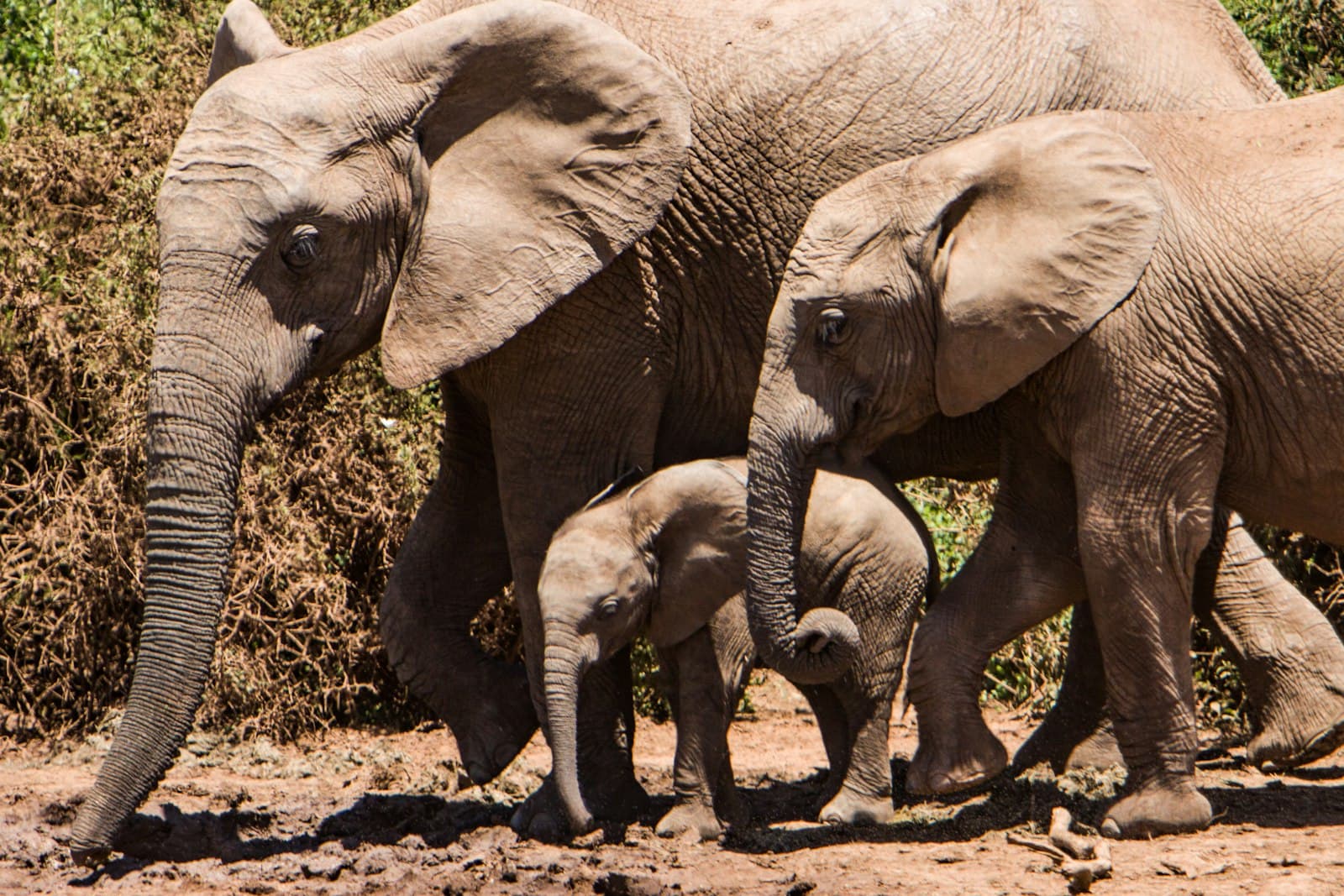
Addo Elephant National Park
Malaria-free Big Seven country in the Eastern Cape.
Verified · 1 source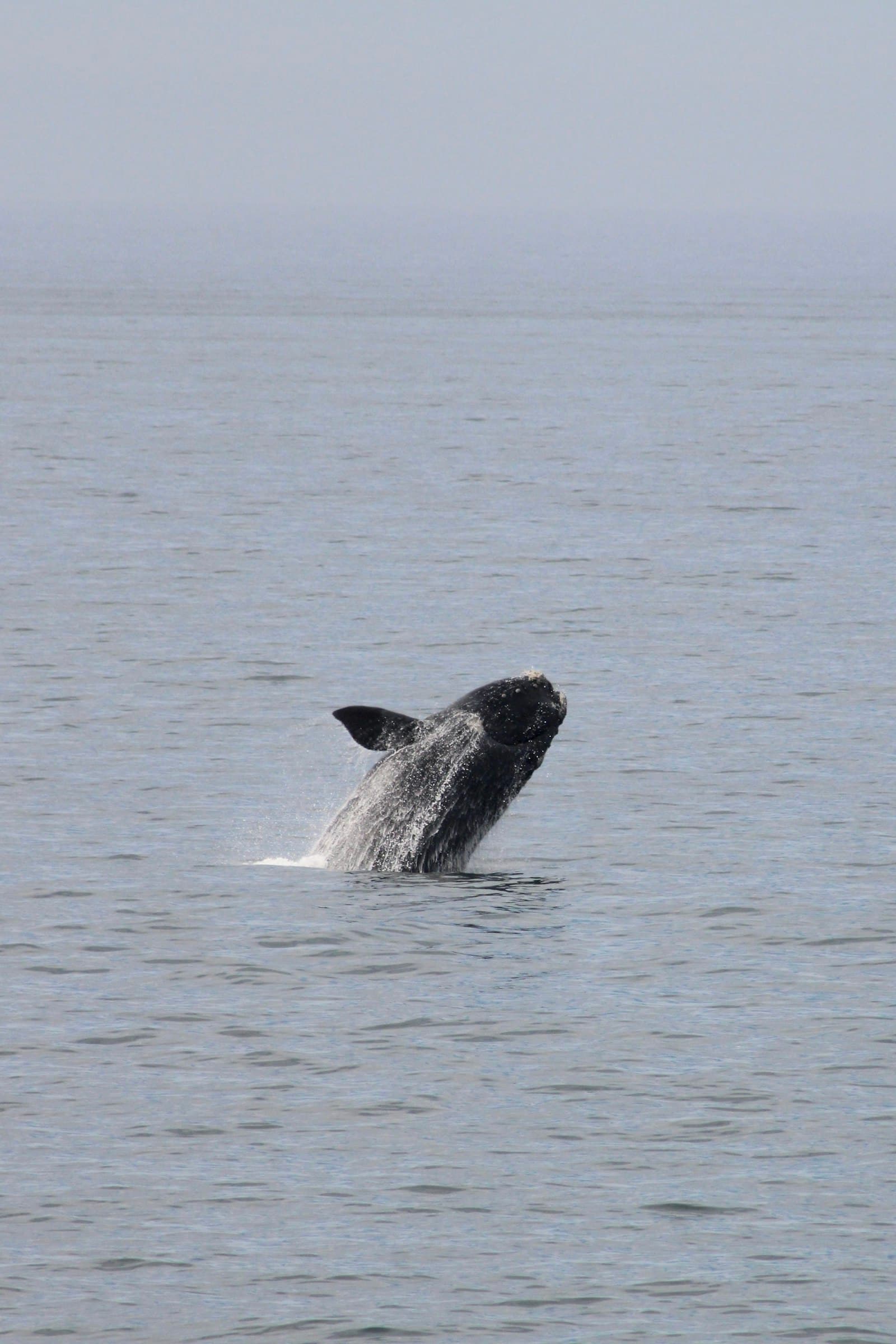 Wildlife & SafariWestern Cape
Hermanus
One of the world's best spots to watch whales from dry land.
Verified · 1 source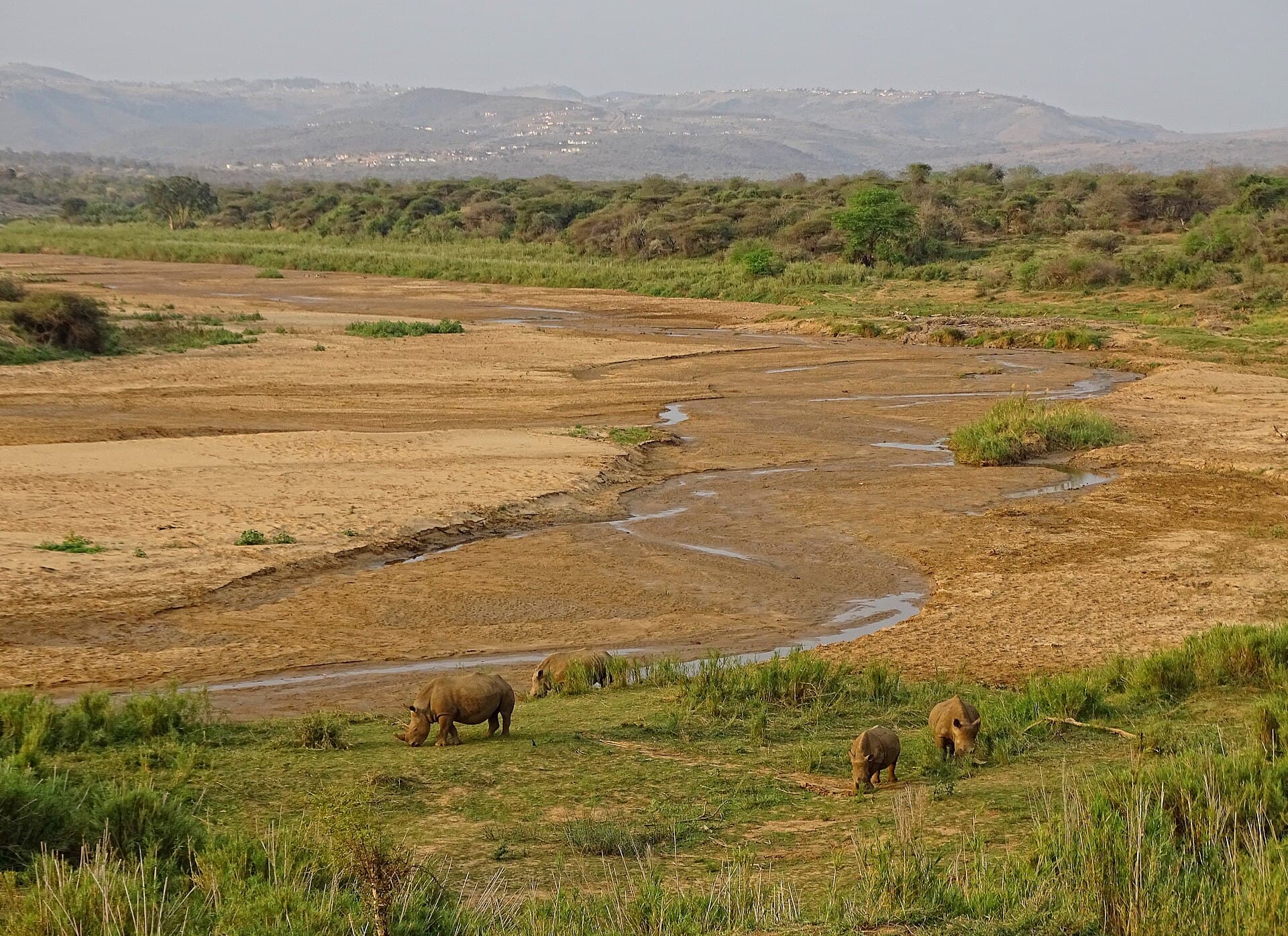 Wildlife & SafariKwaZulu-Natal
Hluhluwe-iMfolozi Park
Widely documented as Africa's oldest proclaimed game reserve, where Operation Rhino brought the southern white rhino back from the brink and all of the Big Five still roam the hills of Zululand.
Verified · 4 sources