
 Bernard DUPONT, CC BY-SA 2.0 / Wikimedia Commons
Best time to visit
Year-round. The Cape's warm, dry summer (roughly November to March) gives the clearest light for the painted facades, while cooler early mornings are best for walking the steep cobbled streets and quietest for photography.
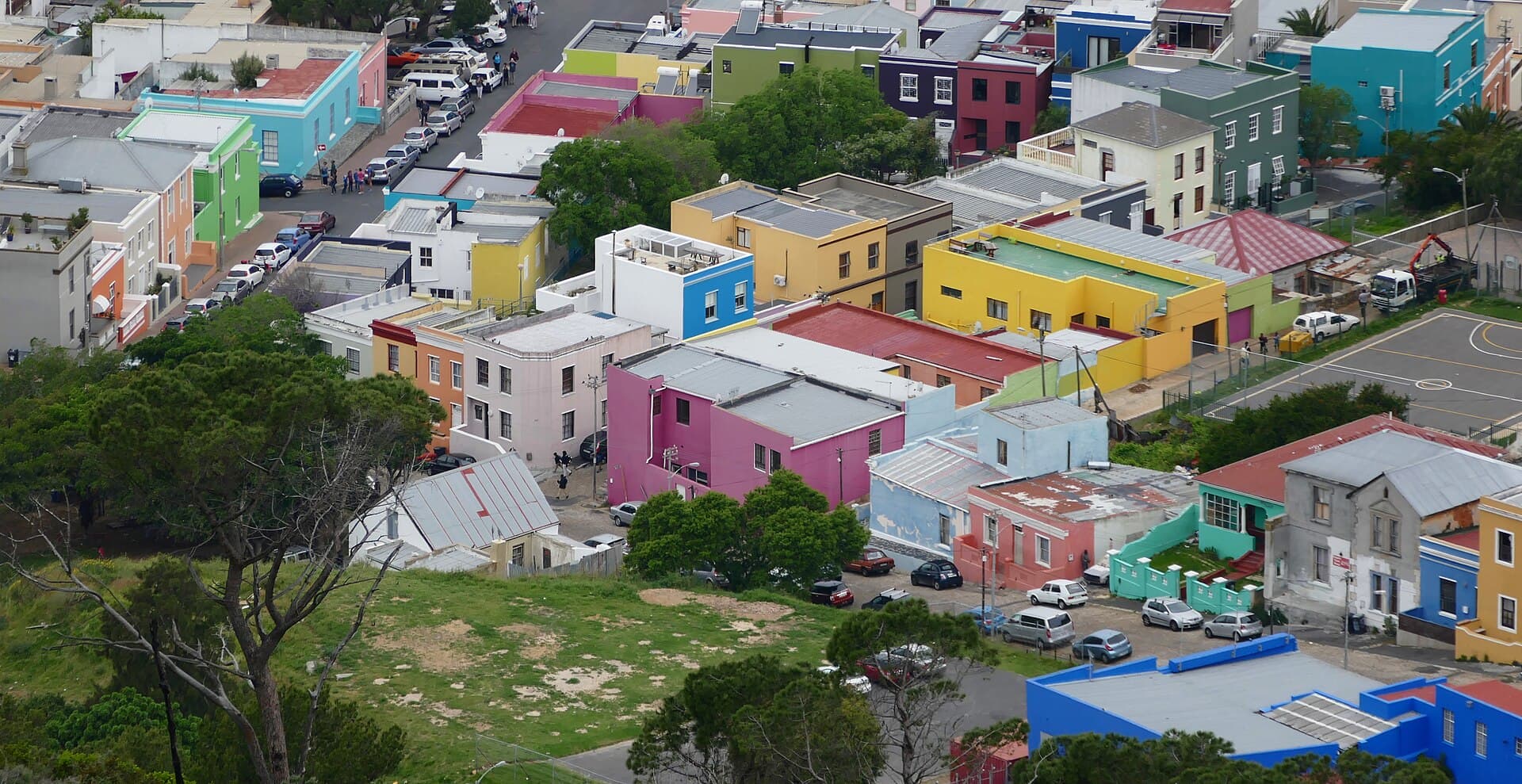
On the steep lower slopes of Signal Hill, just above Cape Town's city bowl, the Bo-Kaap ("above the Cape") spills downhill in a mosaic of candy-bright facades and narrow cobbled lanes. Formerly known as the Malay Quarter, it is the historic heart of Cape Malay culture: a predominantly Muslim community descended from enslaved people and political exiles brought to the Cape from Southeast Asia, from places such as Java, Sumatra and Batavia, during the era of Dutch rule.
The neighbourhood traces its layout to the 1760s, when Jan de Waal built rows of rental houses ("huurhuisjes") at the foot of the hill and leased them to the Cape's enslaved and freed workers. That community, which came to be known as the Cape Malays, is believed to have helped shape the early Afrikaans language, and its faith is anchored by the Auwal Mosque on Dorp Street, founded in 1794 and recognised as the first mosque established in South Africa. The famously colourful houses are a more recent tradition: residents are said to have painted their homes in vivid hues as an expression of freedom and ownership once they were finally able to buy properties they had long only been allowed to rent, and to keep white.
According to the South African Heritage Resources Agency, the Bo-Kaap holds the largest concentration of pre-1850 architecture in South Africa and is the city's oldest surviving residential neighbourhood, its Cape Dutch and Georgian rooflines still tracing the eighteenth-century street grid. In 2019 the government declared a cluster of its sites as National Heritage Sites, formal recognition for a quarter long pressured by apartheid-era removals and, more recently, gentrification. At its centre, the Bo-Kaap Museum occupies a house built around 1768, furnished as a nineteenth-century Muslim family home and among the oldest buildings in the area.
More Culture & History
 Culture & HistoryGauteng
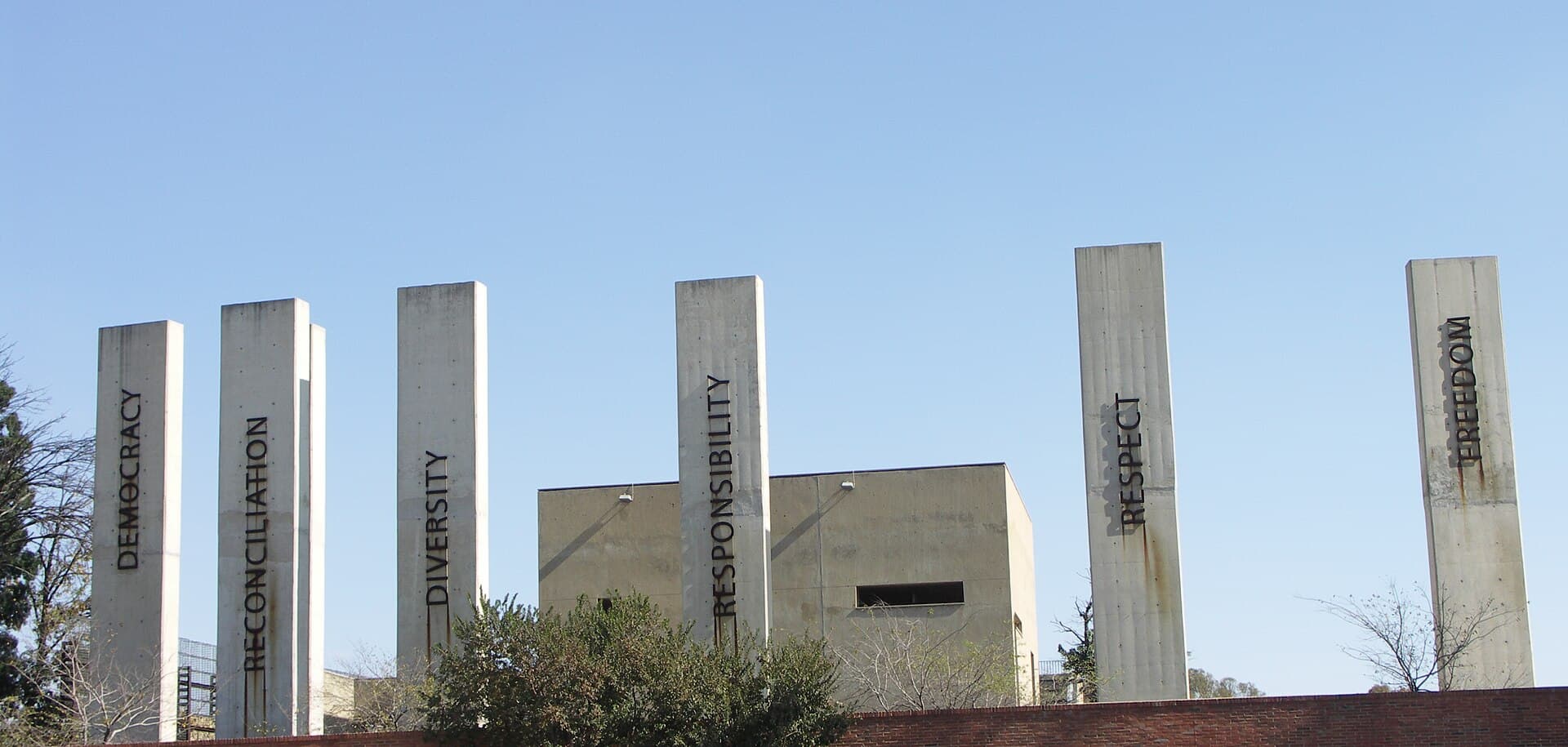
Apartheid Museum
At the door you are handed a ticket marked "white" or "non-white" and directed to separate entrances, so apartheid's logic confronts you before a single exhibit does.
Verified · 4 sources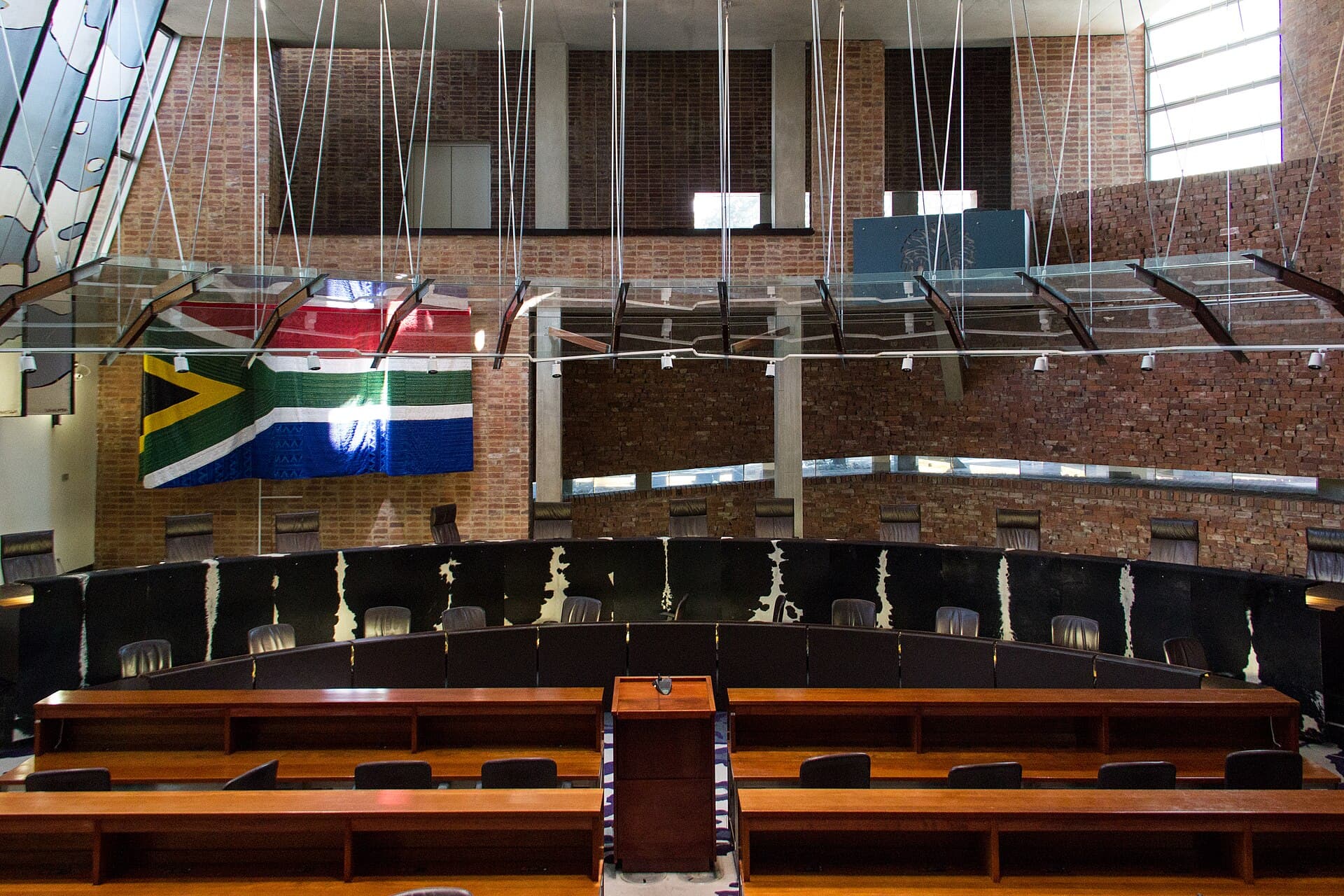 Culture & HistoryGauteng
Constitution Hill
A century-old prison where Gandhi and Mandela were once held now cradles South Africa's Constitutional Court: repression remade, brick by brick, into a monument to human rights.
Verified · 4 sources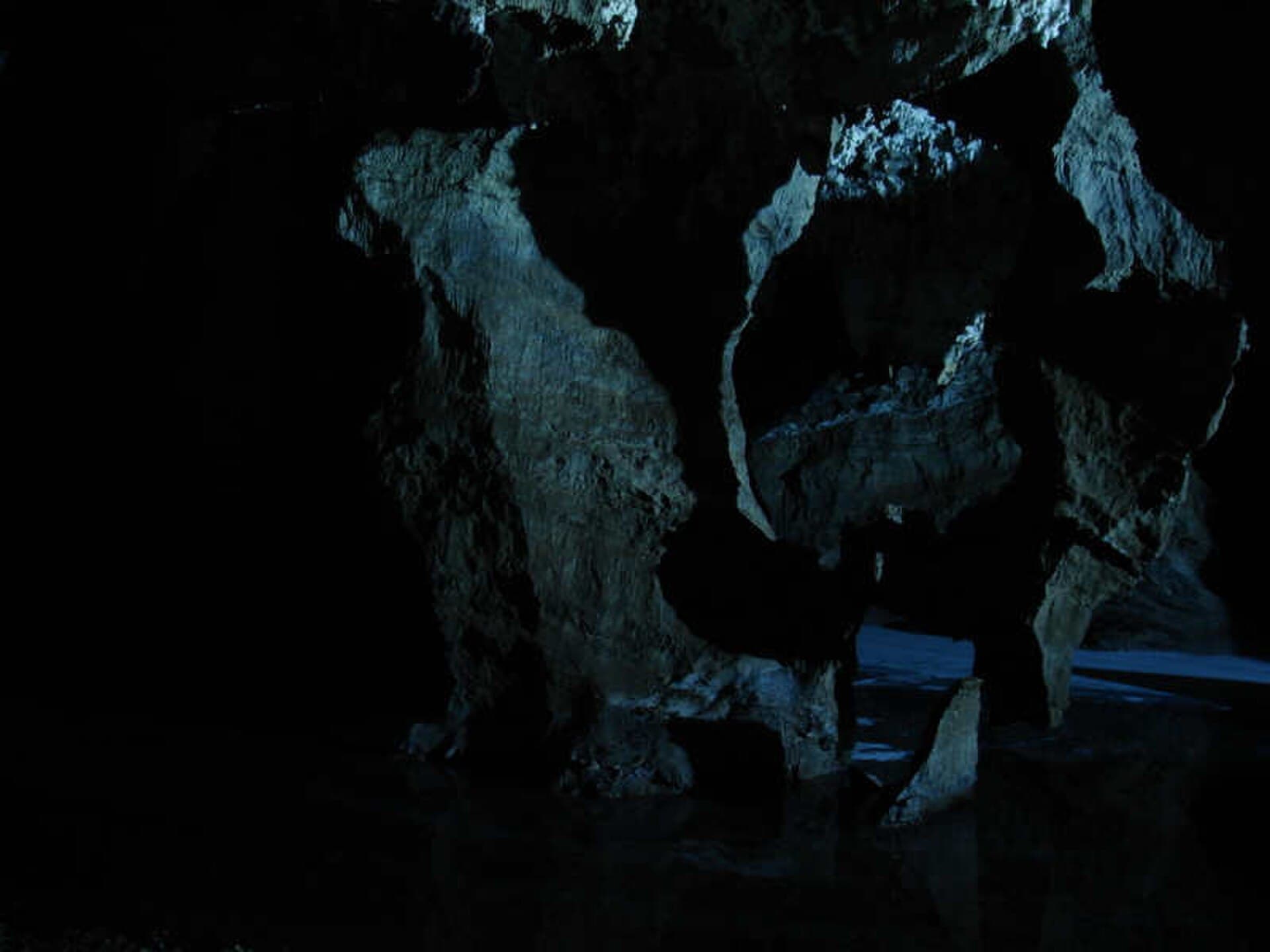 Culture & HistoryGauteng
Cradle of Humankind
The caves where some of our earliest ancestors were unearthed.
Verified · 2 sources