
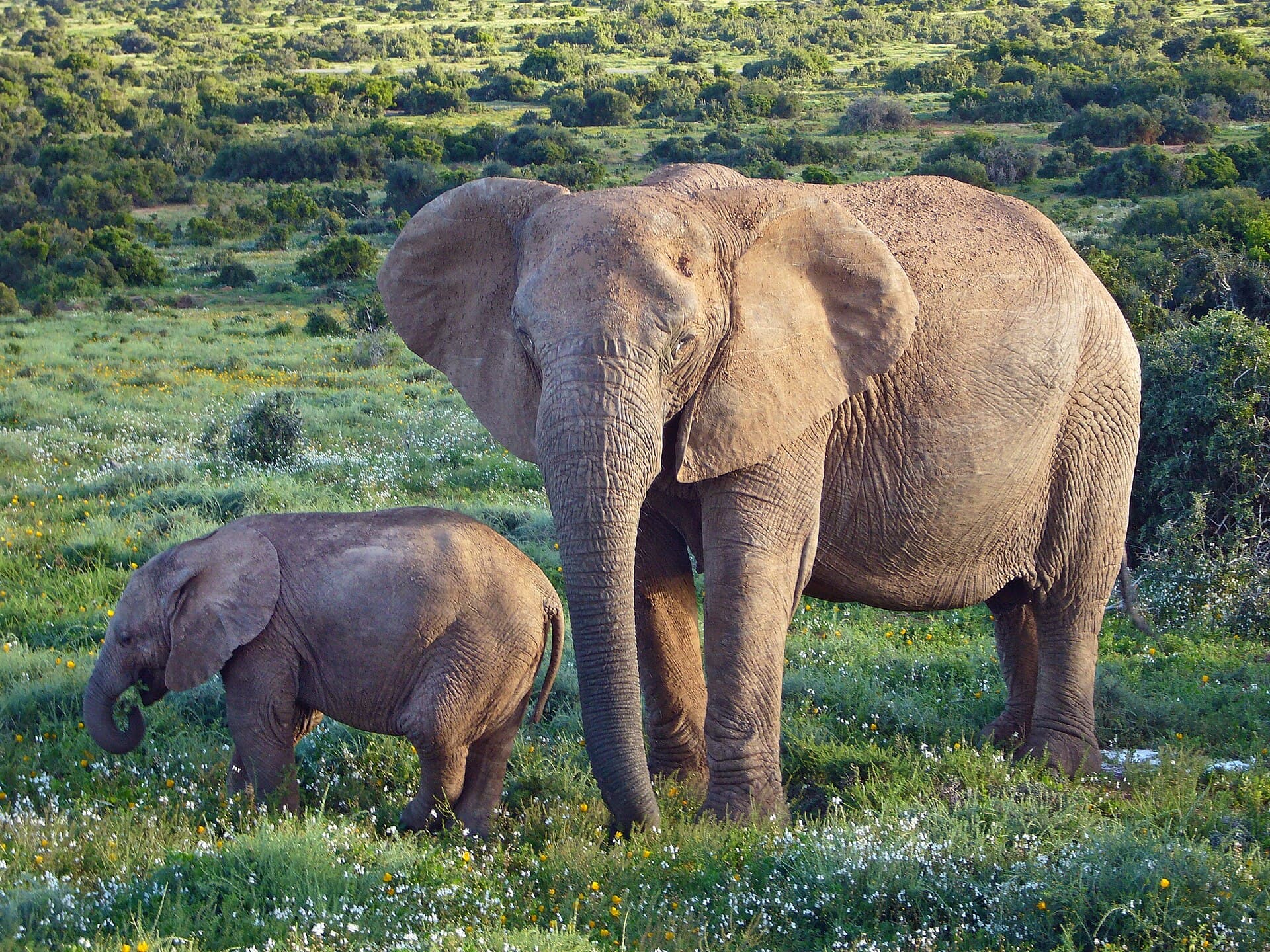
 Gorgo, Public domain / Wikimedia Commons
Das Ostkap ist Südafrikas großes Dazwischen — wo das Winterregen-Kap auf das Sommerregen-Binnenland trifft, und die biomreichste Provinz des Landes, mit sieben ihrer neun Biome innerhalb einer einzigen Grenze. Sie reicht von der trockenen Karoo bis zu afrotemperiertem Wald und einer unberührten Küste, umfasst die malariafreien Elefanten von Addo und ist der Geburtsort von Nelson Mandela.
- Biom
- Sieben Biome; Herz des Albany Thicket
- Klima
- Übergangsklima; recht gleichmäßiger Regen, milde Küste
- Beste Reisezeit
- Aug.–Sep. — trocken, mild, gute Tierbeobachtung
Artenvielfalt & Landschaft
Das Ostkap ist Südafrikas biomreichste Provinz; sie enthält sieben der neun Biome des Landes und bildet das Kernland des Albany Thicket — ein dichtes, oft nahezu undurchdringliches Buschland aus immergrünen und sukkulenten, häufig dornigen Pflanzen. Entlang eines einzigen West-Ost-Gefälles wandelt sich die Provinz von der trockenen Karoo zu üppigem afrotemperiertem Wald, Grasland und einer langen Küste am Indischen Ozean und beherbergt mehr als 3,500 endemische Pflanzenarten. Gqeberha (Port Elizabeth) vermarktet sich sogar als „Fünf-Biome-Stadt“.
Fauna
Dies ist die Heimat von Südafrikas malariafreiem „Big Game“-Land. Der Addo-Elefanten-Nationalpark — mit rund 1,640 km² der drittgrößte Nationalpark des Landes — wurde 1931 ausgewiesen, um eine letzte Handvoll Elefanten zu retten, und schützt heute mehrere hundert Tiere, dazu den Rest der Big Five und, in seinem Meeresabschnitt, Südkaper und Weiße Haie. Addo wird als „Big 7“-Reiseziel beworben und beherbergt die größte überlebende Population des flugunfähigen Mistkäfers.
Flora
Das botanische Markenzeichen der Provinz ist der Spekboom (Portulacaria afra), eine Blattsukkulente, die das Albany Thicket dominiert, neben afrotemperiertem Wald, Fynbos, Grasland und Karoo-Elementen. Der Garden-Route-Nationalpark, den sich das Ostkap mit dem Westkap teilt, schützt einige der größten zusammenhängenden Bestände einheimischen Waldes in Südafrika.
Reiseziele
- Addo-Elefanten-Nationalpark — malariafreie Big Five (und „Big 7“) in bequemer Reichweite von Gqeberha.
- Tsitsikamma / Storms River — die wilde östliche Garden Route mit ihrem Küstenwald und der Hängebrücke an der Storms-River-Mündung.
- Jeffreys Bay — einer der weltberühmten Surfspots, Heimat der rechtsbrechenden Welle Supertubes.
- Die Wild Coast — rund 250 km klippengesäumte, weitgehend unerschlossene Küste der ehemaligen Transkei.
- Mandela-Erbe — die Museen und Dörfer der Provinz, in der Nelson Mandela geboren wurde.
Wetter & beste Reisezeit
Da das Ostkap zwischen dem Winterregen-Kap und dem Sommerregen-Binnenland liegt, hat es keine strenge Regenzeit — der Regen verteilt sich recht gleichmäßig über das Jahr, und die Temperaturen sind mild, mit Sommern um 16–26°C und Wintern um 7–20°C. Das macht es zu einem echten Ganzjahresziel. Für die Tierwelt bieten die trockeneren Wintermonate die beste Wildbeobachtung, und der Spätwinter — August bis September — ist ein angenehmer Kompromiss aus milden Tagen und sich lichtendem Busch.
Orte in Ostkap
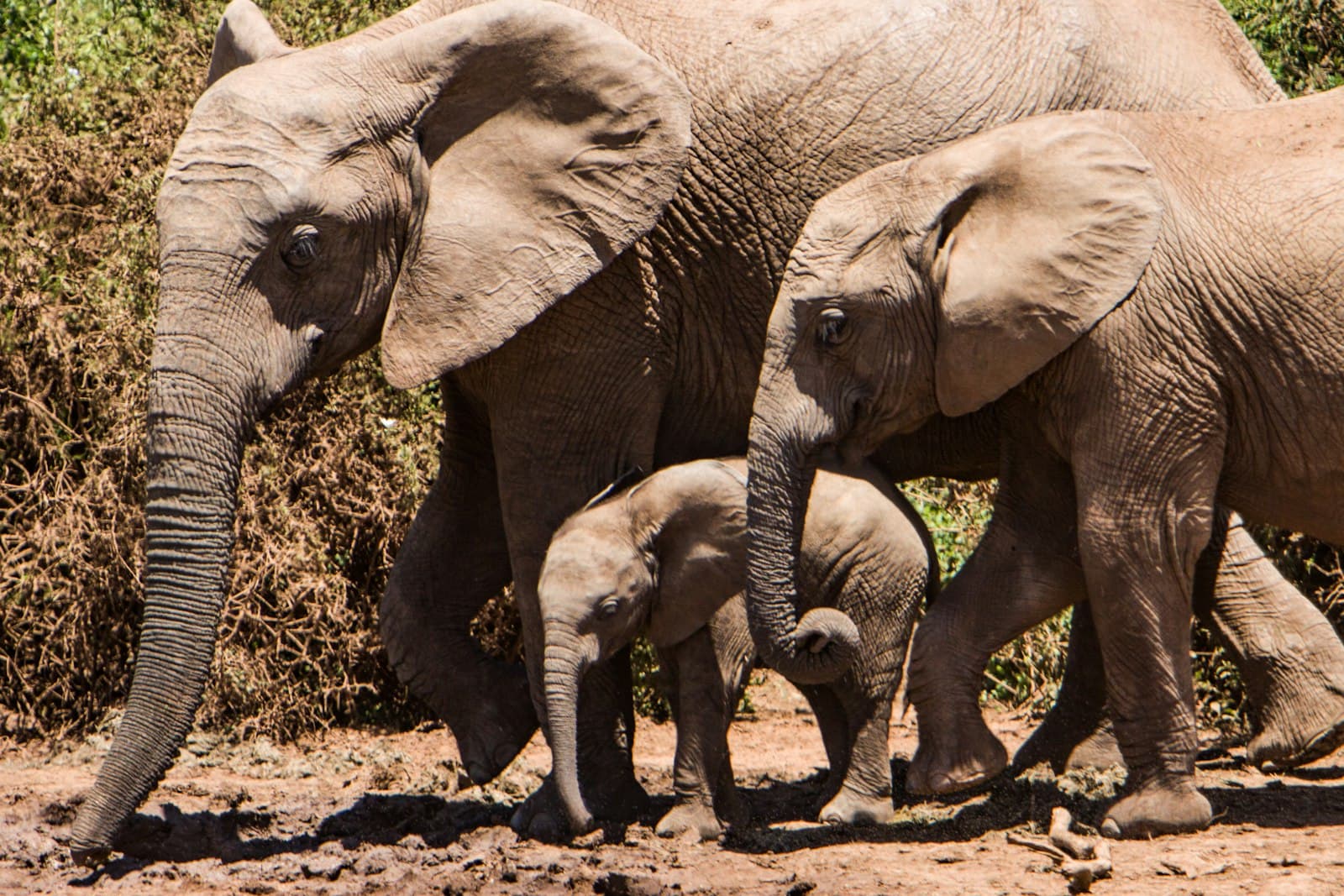 Tierwelt & SafariOstkap
Addo-Elefanten-Nationalpark
Malariafreies Big-Seven-Land in der Provinz Ostkap.
Verifiziert · 1 Quelle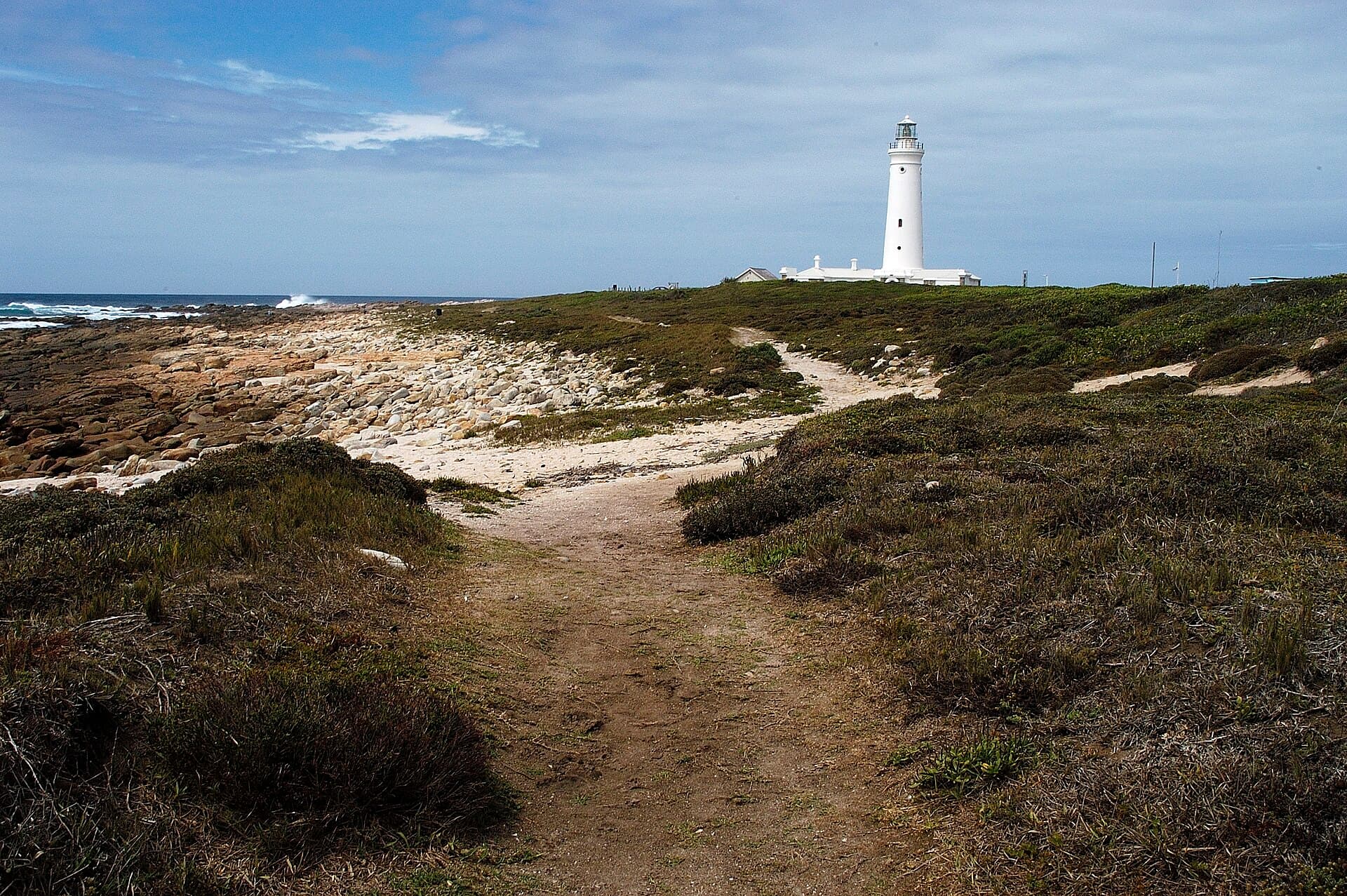 Abenteuer & AktivitätenOstkap
Cape St Francis
Heimat eines rechtsbrechenden Point Breaks, der im Film The Endless Summer von 1966 einst zur „perfekten Welle“ gekürt wurde, und des Seal Point Lighthouse — angeblich Südafrikas höchster gemauerter Leuchtturm.
Verifiziert · 3 Quellen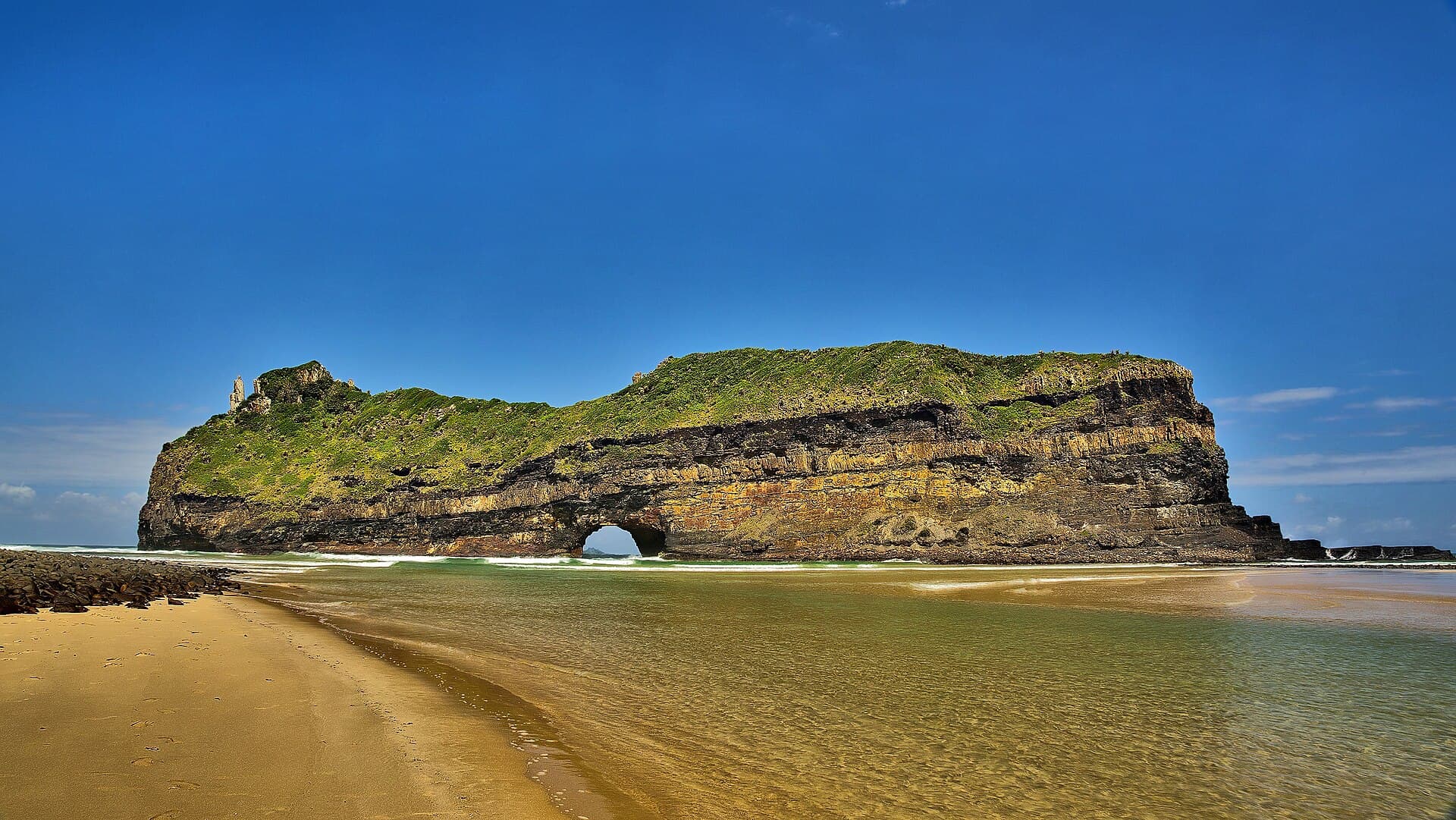 Strände & KüsteOstkap
Hole in the Wall
Ein von Wellen ausgehöhlter Torbogen durchbricht eine mit Dolerit gekrönte Schieferinsel an der Mündung des Mpako-Flusses – die Xhosa nennen es esiKhaleni, den Ort des Klangs.
Verifiziert · 4 Quellen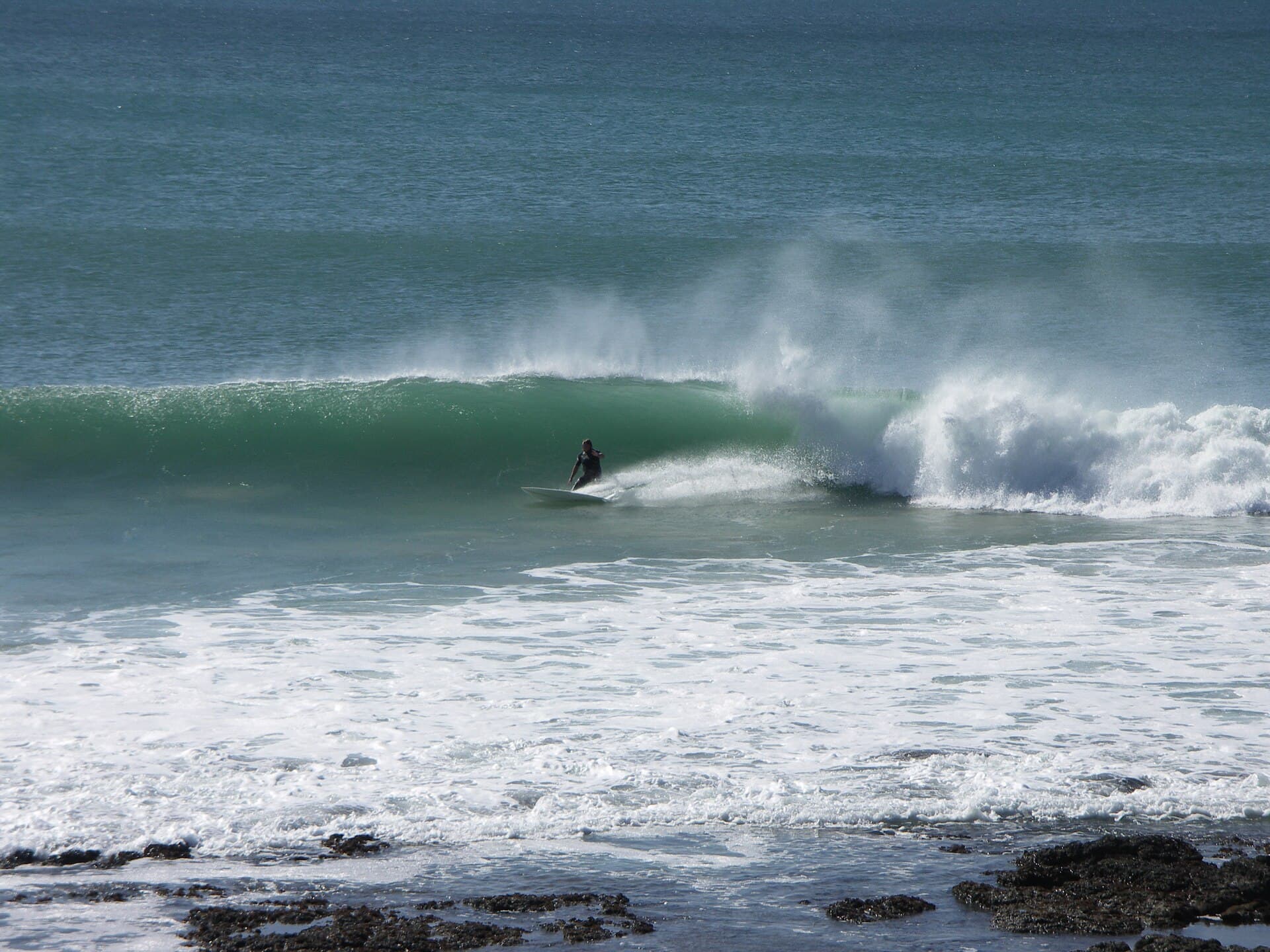 Abenteuer & AktivitätenOstkap
Jeffreys Bay
Heimat von Supertubes, einem langen, schnellen rechten Point Break, der jeden Juli die weltbesten Surfer an die Küste des Ostkaps zieht.
Verifiziert · 2 Quellen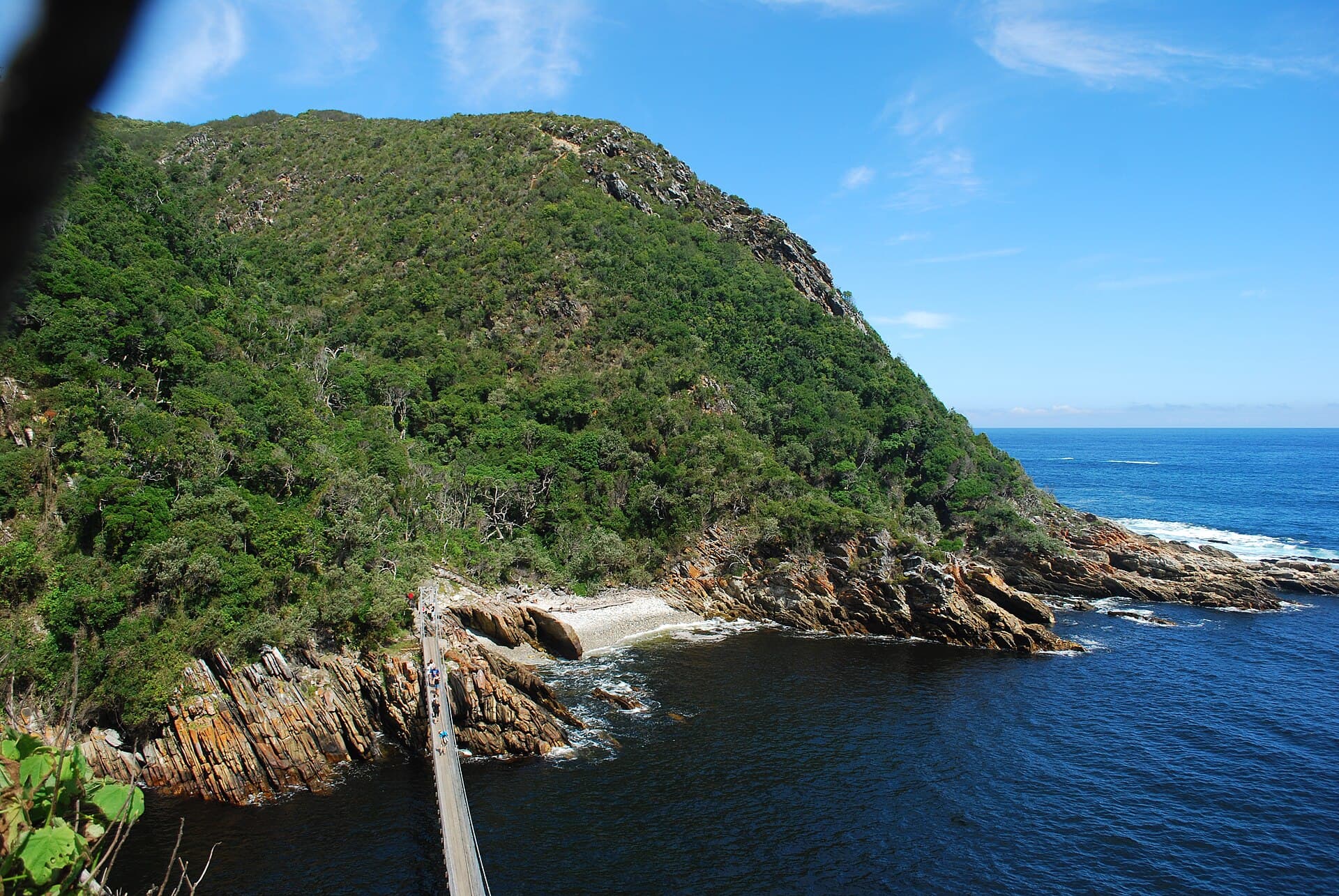 Abenteuer & AktivitätenOstkap
Tsitsikamma
Wo der Storms River in den Indischen Ozean mündet, markiert eine seit 1969 gespannte, schwankende 77-Meter-Hängebrücke das wilde Herz von Tsitsikamma – der malariafreien Abenteuerhauptstadt der Garden Route.
Verifiziert · 4 Quellen
Quellen 24, 31, 44, 162, 177, 259
Provinzhauptstadt bestätigt über South Africa Info.