
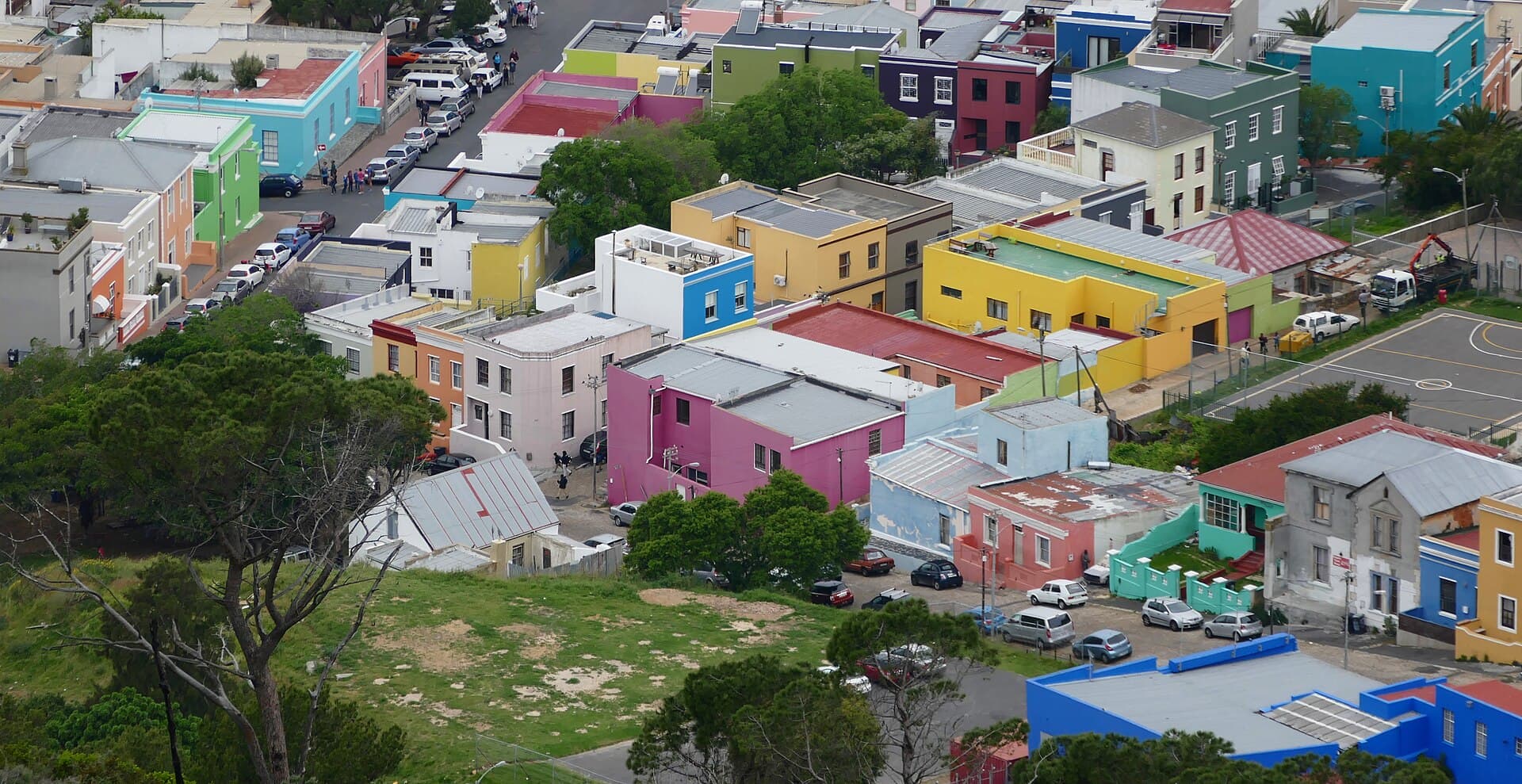
 Bernard DUPONT, CC BY-SA 2.0 / Wikimedia Commons
Лучшее время для визита
Круглый год. Тёплое сухое капское лето (примерно с ноября по март) даёт самый чистый свет для цветных фасадов, а прохладное раннее утро — лучшее время для прогулок по крутым мощёным улицам и самая спокойная пора для съёмки.
На крутых нижних склонах Сигнал-Хилл, прямо над кейптаунской «городской чашей», Бо-Каап (в переводе — «над Кейпом») сбегает вниз мозаикой карамельно-ярких фасадов и узких мощёных переулков. Прежде известный как Малайский квартал, он остаётся историческим сердцем культуры капских малайцев — преимущественно мусульманской общины, ведущей происхождение от рабов и политических ссыльных, которых в эпоху голландского правления привозили на Кейп из Юго-Восточной Азии: с Явы, Суматры, из Батавии.
Планировка квартала восходит к 1760-м годам, когда Ян де Ваал построил у подножия холма ряды доходных домиков («huurhuisjes») и сдавал их капским рабам и вольноотпущенникам. Считается, что именно эта община, за которой закрепилось название капских малайцев, повлияла на становление раннего языка африкаанс, а её духовный центр — мечеть Ауваль на Дорп-стрит, основанная в 1794 году и признанная первой мечетью в Южной Африке. Знаменитые разноцветные дома — традиция более поздняя: говорят, жители выкрасили их в яркие тона как знак свободы и собственности, когда наконец получили право выкупать жильё, которое прежде им дозволялось лишь снимать — и красить только в белый.
По данным Южноафриканского агентства по охране наследия, в Бо-Каапе сосредоточено больше всего в стране построек, возведённых до 1850 года, и это старейший сохранившийся жилой район Кейптауна: линии крыш в капско-голландском и георгианском стиле по-прежнему повторяют уличную сетку XVIII века. В 2019 году правительство объявило группу его объектов памятниками национального наследия — официальное признание для квартала, который долго страдал от насильственных выселений эпохи апартеида, а в последние годы — от джентрификации. В самом сердце Бо-Каапа музей квартала занимает дом около 1768 года постройки, обставленный как жилище мусульманской семьи XIX века, — одно из старейших зданий района.
Источники 81, 85, 142, 195, 292
Ещё по теме: Культура и история
 Культура и историяГаутенг
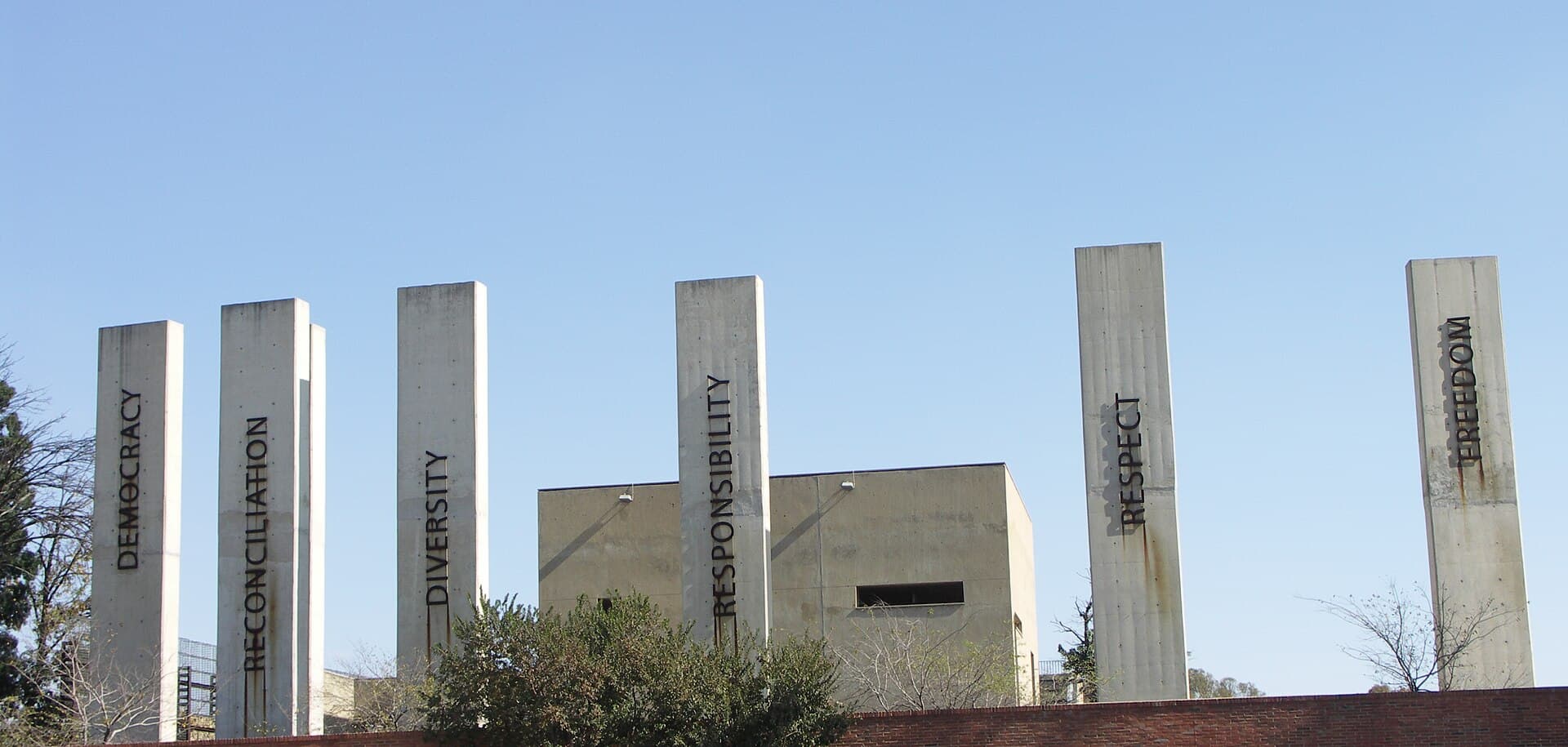
Музей апартеида
У входа вам вручают билет с отметкой «белый» или «небелый» и направляют к разным дверям — логика апартеида настигает вас раньше, чем первый экспонат.
Проверено · 4 источника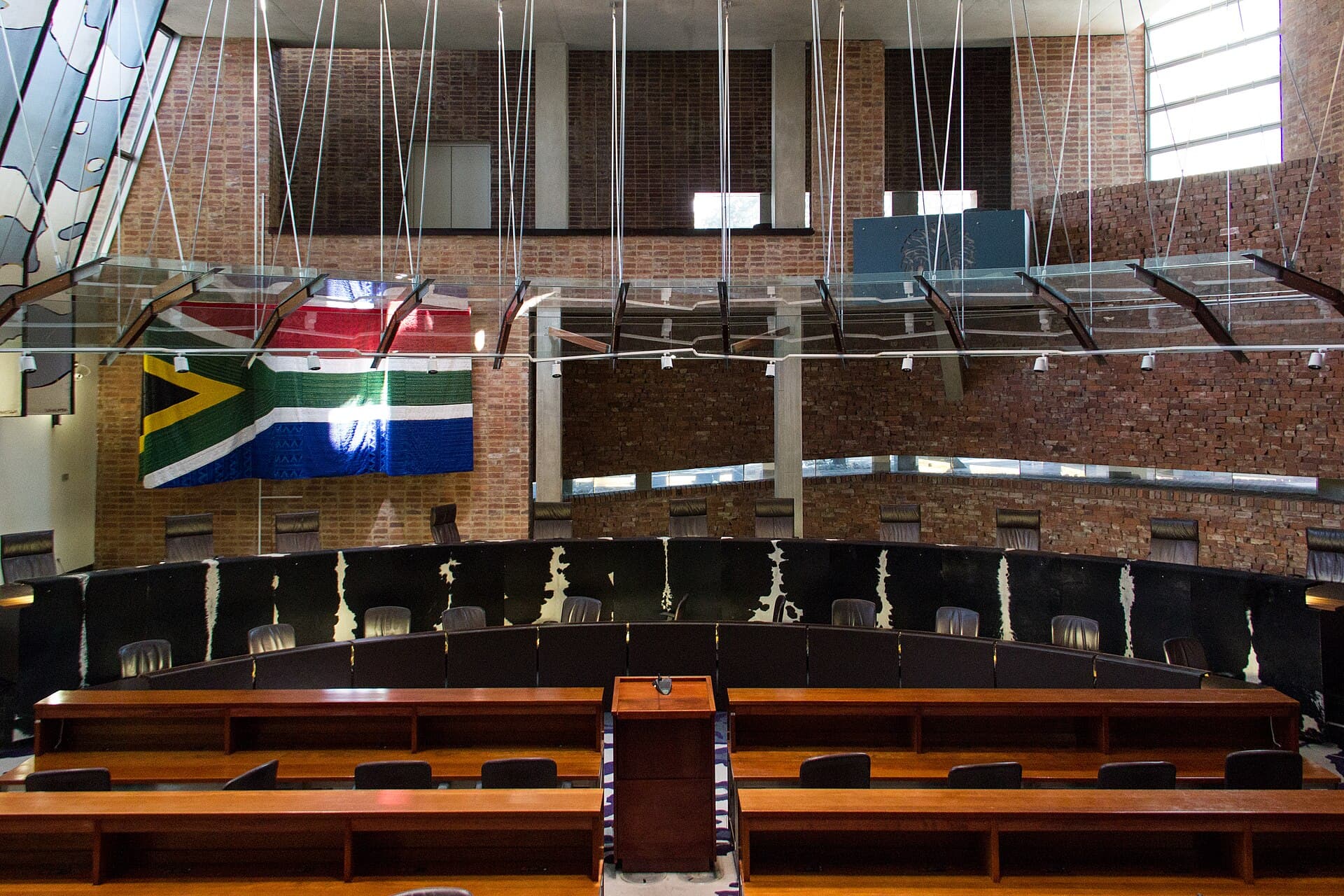 Культура и историяГаутенг
Конститьюшн-Хилл
Вековая тюрьма, где сидели Ганди и Мандела, приютила Конституционный суд ЮАР: репрессии, кирпич за кирпичом, превращённые в памятник правам человека.
Проверено · 4 источника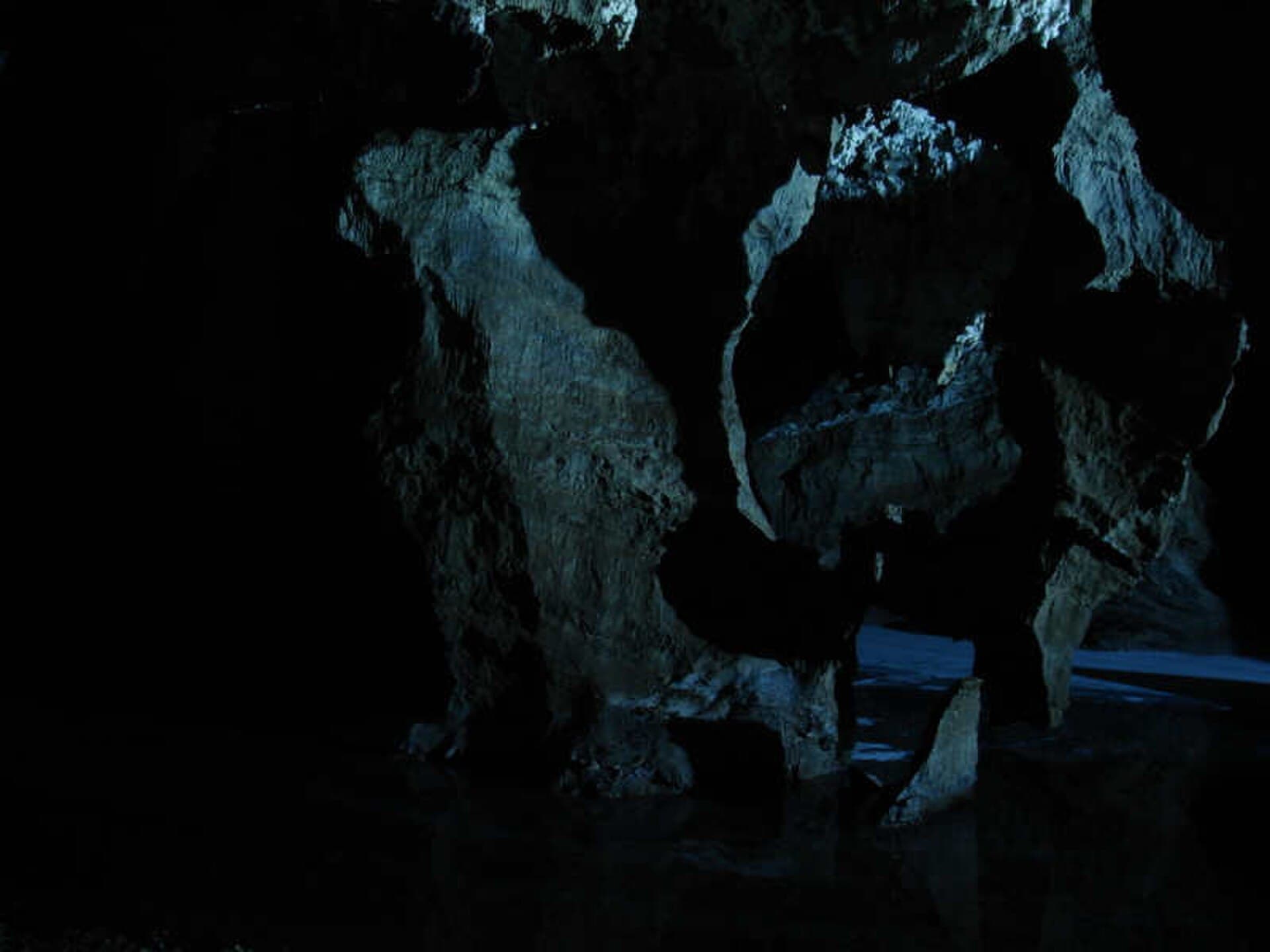 Культура и историяГаутенг
Колыбель человечества
Пещеры, где нашли одних из самых ранних наших предков.
Проверено · 2 источника